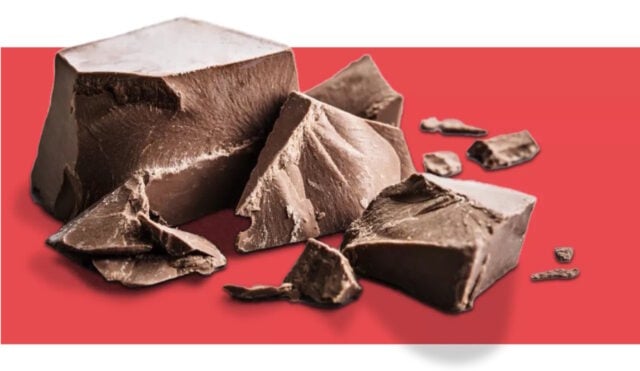
If you walked into a grocery store recently and noticed that your favorite chocolate bar costs a dollar more than it did last year, you are not alone. The global chocolate industry is currently facing a massive shakeup. Decades of steady, predictable cocoa supply chains have been hit hard by extreme weather, climate-induced crop diseases, and a shifting global economy. Cocoa prices recently soared to an all-time high, leaving food manufacturers scrambling for solutions. For an industry built entirely on the back of the tropical cacao bean, this is an existential crisis. How do you keep making chocolate when the core ingredient is becoming a luxury good?
The answer might just be sitting in a field of bright yellow flowers.
In May 2026, at the Sweets & Snacks Expo in Las Vegas, the world’s largest chocolate supplier, Barry Callebaut, debuted something that shocked the confectionery world. It was a rich, smooth, melt-in-your-mouth chocolate experience that contained exactly zero percent cocoa. No cocoa liquor, no cocoa butter, no cocoa powder. Instead, the flavor driver behind this brand-new ingredient was something you are more used to finding at a baseball game or inside a bag of trail mix: the humble sunflower seed.
Known commercially as ChoViva, this sunflower-based chocolate alternative is the result of a powerful partnership between Barry Callebaut and a cutting-edge German food tech startup called Planet A Foods. It represents a massive pivot in the food industry. We are no longer just looking at “mock chocolate” or cheap wax substitutes. We are entering an era where sophisticated biotechnology can turn local, sustainable crops into high-end culinary experiences that look, bake, and taste exactly like the real thing.

Decoding the Secret of the Cacao Bean
To understand how you can turn a sunflower seed into something that tastes like a premium chocolate bar, you have to understand where chocolate flavor actually comes from.
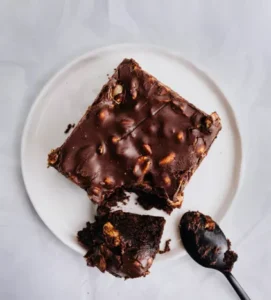 Most people assume that the distinct, comforting taste of chocolate is locked deep inside the DNA of the raw cacao bean. But if you were to crack open a freshly harvested cacao pod in the tropics and eat a raw bean, you would be incredibly disappointed. It tastes bitter, astringent, and slightly fruity—nothing like a candy bar.
The magic happens after the harvest. The real flavor of chocolate is born during two critical steps: fermentation and roasting. When cacao beans are fermented under banana leaves, complex chemical reactions break down the proteins and sugars inside the bean, creating “flavor precursors.” When those beans are subsequently roasted, those precursors undergo the Maillard reaction—the same chemical reaction that makes seared steak or fresh bread taste so incredibly good. This process unlocks the deep, rich, classic chocolate aromatic profile.
This scientific reality is exactly what Dr. Sara Marquart and her brother, Maximilian Marquart, realized when they founded Planet A Foods in Germany back in 2021. They realized that if eighty percent of chocolate’s flavor is a product of processing rather than genetics, they didn’t necessarily need a tropical cacao bean to make chocolate. They just needed a regional, sustainable crop with the right chemical makeup that could withstand those exact same processing principles.
The team analyzed the molecular structure of chocolate and combed through more than two hundred candidate ingredients. They tested everything from local grains to various agricultural byproducts. Ultimately, they discovered a winner: the sunflower seed.
By taking ground sunflower seeds—often using the nutrient-dense sunflower seed powder left over after the oil has been pressed out—and putting them through a proprietary, precision fermentation and roasting process, Planet A Foods managed to crack the code. They successfully triggered those identical chemical reactions, unlocking a rich, full-bodied, chocolatey taste and aroma without ever touching a tropical bean.
Inside the Barry Callebaut Partnership
While a startup can invent a brilliant formula in a lab, scaling that formula to feed a global appetite is an entirely different beast. Planet A Foods quickly realized that to make a real dent in the global chocolate supply chain, they needed an ally with serious industrial muscle. Enter Barry Callebaut.
As the world’s leading manufacturer of high-quality chocolate and cocoa products, Barry Callebaut is the invisible giant behind the global sweets industry. They do not sell consumer-facing brands with bright logos on grocery shelves. Instead, they supply the liquid chocolate, coatings, fillings, and chips to the world’s largest food brands. If you have ever enjoyed a commercial candy bar, a chocolate-covered ice cream bar, or a bakery cookie, there is a massive chance you have eaten Barry Callebaut’s product.
Recognizing the immense potential of a sustainable, cocoa-free alternative, Barry Callebaut signed a long-term commercial partnership with Planet A Foods to scale the production of ChoViva. The startup expanded its production capacity at its facility in Pilsen, Czech Republic, scaling from 2,000 tonnes to an impressive 15,000 tonnes annually.
Global Production Scale: Planet A Foods
┌──────────────────────────────────────────────────────────┐
│ Past Capacity: 2,000 tonnes                              │
├──────────────────────────────────────────────────────────┤
│ Current Capacity: 15,000 tonnes (▲ 650% Increase)        │
└──────────────────────────────────────────────────────────┘
For Barry Callebaut, adding a sunflower-based option to their portfolio is a masterful business move. According to TJ Mulvihill, the company’s vice president of marketing for the Americas, the goal is not to eliminate or replace traditional chocolate. Barry Callebaut loves chocolate and will remain its primary global champion. Instead, ChoViva serves as a vital buffer.
Over the last eighteen months, the cocoa market has been a wild rollercoaster ride. By offering a chocolate alternative that bypasses the cocoa market entirely, Barry Callebaut provides its corporate customers with a massive financial sigh of relief. It gives food brands a cost-effective, price-stable ingredient that protects their profit margins from volatile agricultural markets. Furthermore, it ensures a highly predictable supply chain that isn’t dependent on volatile weather patterns in a few specific regions of West Africa.
A Massive Win for the Environment
Beyond the economics, the environmental argument for sunflower-based chocolate is incredibly compelling. Traditional cocoa production carries a heavy environmental and ethical toll. Cacao trees only thrive in a narrow geographic band around the equator, which has historically driven widespread tropical deforestation in vulnerable ecosystems as farmers clear land to meet global demand. Additionally, the traditional supply chain has long been plagued by human rights concerns, including low farmer wages and systemic child labor issues.
Sunflower seeds offer a radically different blueprint. Sunflowers are incredibly resilient, water-efficient crops that can grow in wide, temperate geographic bands. For the European market, Planet A Foods sources its sunflower seeds primarily from regional farms in Eastern Europe, such as Bulgaria.
This localized sourcing model completely eliminates the need for long-distance, high-emissions ocean shipping from equatorial ports. It also ensures that the ingredient is entirely disconnected from tropical deforestation. Because of these optimized supply chains and agricultural efficiencies, life-cycle assessments show that ChoViva reduces carbon dioxide emissions by an astonishing eighty-two to ninety-one percent compared to the traditional milk or dark chocolate it replaces.
Carbon Footprint Comparison (CO2e per kg)
┌──────────────────────────────────────────────────────────┐
│ Traditional Milk Chocolate: 10.6 kg                      │
├──────────────────────────────────────────────────────────┤
│ ChoViva Milk Recipe: 2.8 kg (▼ Up to 73% Reduction)      │
└──────────────────────────────────────────────────────────┘
This sustainability profile is a massive selling point for modern food manufacturers. With new regulations like the European Union’s Deforestation Regulation (EUDR) taking effect, global food brands are under immense pressure to prove that their ingredient supply chains are not contributing to the destruction of the world’s forests. Incorporating a sunflower-based ingredient allows brands to instantly elevate their sustainability metrics while maintaining a clean, consumer-friendly label free of artificial additives or synthetic flavors.
When Will It Hit Store Shelves?
If you live in Europe, you might have already tasted this innovation without even realizing it. ChoViva is already a proven retail success overseas. It has found its way into more than 130 consumer products across 11 countries, appearing on the shelves of major global retailers such as Aldi, Lidl, Rewe, and Kaufland. Massive international brands like Nestlé and Lufthansa have integrated the ingredient into their European product lines. It has been featured in everything from limited-edition Easter eggs to vegan snack bars and airline treats.
Now, thanks to Barry Callebaut’s distribution muscle, the sunflower chocolate revolution is officially coming to North America. Following its high-profile debut at the Las Vegas expo, American food manufacturers have shown “very strong” interest in the ingredient.
Barry Callebaut’s aggressive rollout strategy means that American consumers could see products featuring this sunflower innovation on shelves before the end of the calendar year. Rather than launching standalone “cocoa-free chocolate bars,” the company is prioritizing applications where ChoViva can truly shine as a functional ingredient. This means you should expect to see it first as a chocolatey coating over roasted nuts, a rich swirl inside protein bars, a premium coating for breakfast cereals, or an inclusion inside bakery items like cookies and muffins.
Because ChoViva handles like traditional chocolate compound formulas, food brands can run it through their existing factory machinery without investing millions of dollars in retrofitting their production lines. This seamless integration ensures that the transition from a lab concept to a snack in your pantry will be incredibly fast.
The Future of Indulgence
The rise of sunflower-based chocolate marks a fascinating turning point in how we think about food production. For decades, the food industry approached alternatives with a mindset of compromise—accepting a drop in texture or flavor in exchange for health or environmental benefits.
Innovations like ChoViva change that narrative entirely. By decoding the chemical secrets of traditional fermentation and applying them to local, sustainable agriculture, food scientists have proven that we can create indulgent, delicious treats that satisfy our cravings without exhausting the planet’s finite resources.
The next time you bite into a rich, chocolatey granola bar or enjoy a smooth, candy-coated snack, take a closer look at the label. You might just find that the future of global indulgence isn’t growing in a tropical rainforest anymore—it’s basking in the sunshine of a local farm.
Sources and Links:
- Food Dive: Sunflower power: Inside Barry Callebault’s bid to win the chocolate alternatives race
- Green Queen Media: Barry Callebaut Brings Planet A Foods’s Cocoa-Free Chocolate to US
- World Bakers: Barry Callebaut to Launch Sunflower Seed-based Chocolate Alternative
- Food Ingredients First: Cocoa-free Easter eggs? How ChoViva meets rising demand for indulgent chocolate alternatives
- ChoViva Official Website: ChoViva: Tasty as chocolate – better as never before
Disclaimer
Artificial Intelligence Disclosure & Legal Disclaimer
AI Content Policy.
To provide our readers with timely and comprehensive coverage, South Florida Reporter uses artificial intelligence (AI) to assist in producing certain articles and visual content.
Articles: AI may be used to assist in research, structural drafting, or data analysis. All AI-assisted text is reviewed and edited by our team to ensure accuracy and adherence to our editorial standards.
Images: Any imagery generated or significantly altered by AI is clearly marked with a disclaimer or watermark to distinguish it from traditional photography or editorial illustrations.
General Disclaimer
The information contained in South Florida Reporter is for general information purposes only.
South Florida Reporter assumes no responsibility for errors or omissions in the contents of the Service. In no event shall South Florida Reporter be liable for any special, direct, indirect, consequential, or incidental damages or any damages whatsoever, whether in an action of contract, negligence or other tort, arising out of or in connection with the use of the Service or the contents of the Service.
The Company reserves the right to make additions, deletions, or modifications to the contents of the Service at any time without prior notice. The Company does not warrant that the Service is free of viruses or other harmful components.