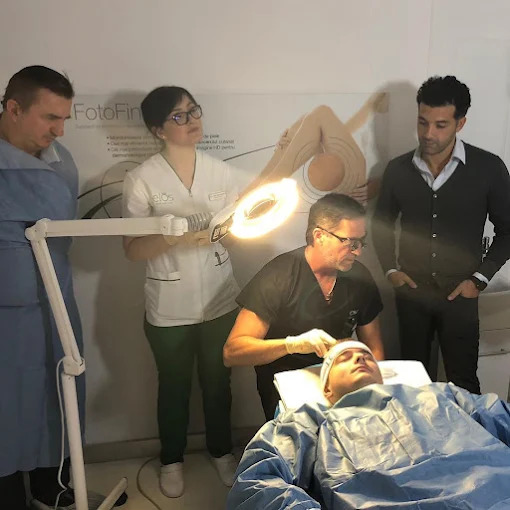
Hair loss in men and women usually comes down to genetics, hormones, stress, or an underlying health condition. The right hair loss treatment depends on which of these is behind it. Options today range from daily medication and in-office therapies to surgical transplants that use a patient’s own follicles. The sooner the cause is identified, the more of those options remain available.
Thinning hair is more common than most people think. Dermatology estimates put the number of Americans with hereditary hair loss at about 50 million men and 30 million women. Many still wait years before seeing a specialist.
What Causes Male and Female Hair Loss?
The most common cause for both sexes is androgenetic alopecia, an inherited sensitivity to a hormone called DHT. DHT gradually shrinks follicles until they grow finer strands and eventually stop. This is why male and female hair loss so often runs in families.
How Thinning Looks Different in Men and Women
Men typically notice a receding hairline or a thinning spot at the crown. Women rarely bald the same way. They tend to lose density across the top of the scalp and along the part, while the front hairline stays mostly intact. Knowing the differences between men’s and women’s hair loss helps patients recognize the early signs.

Other Triggers Worth Knowing
Not all shedding is genetic. Pregnancy, menopause, thyroid disorders, autoimmune conditions, and major stress can all cause temporary or lasting loss. Tight ponytails, braids, and extensions can lead to traction alopecia, which is more common in women. Each cause calls for a different plan, so a proper diagnosis comes first.
Why Early Hair Loss Prevention Matters
Medication can’t revive a follicle that has fully stopped working. That makes hair loss prevention most effective in the early stages, while weakened follicles can still be strengthened. FDA-approved medications like minoxidil (Rogaine) and finasteride (Propecia) slow shedding for many patients, though results last only as long as treatment continues.
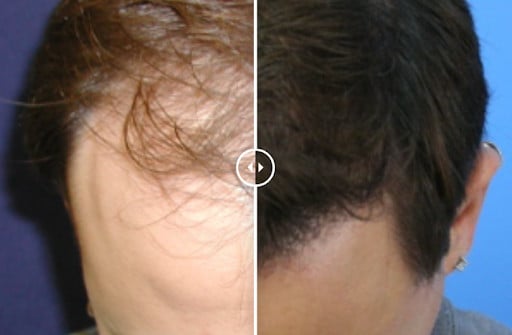
Hair Loss Treatment Options Available Today
At Charles Medical Group, patients can choose from surgical and non-surgical approaches based on their pattern of loss, age, and personal goals.
Non-Surgical Therapies for Early Thinning
For patients in the early stages, non-surgical hair restoration options such as PRP therapy, low-level light therapy, Alma TED, and EXO-Factor aim to stimulate struggling follicles and improve density. They involve no incisions and minimal downtime.
Hair Transplant Surgery for Lasting Results
When thinning has progressed, a transplant offers a permanent solution. The surgeon moves healthy follicles from the back and sides of the scalp, which resist DHT, into thinning areas. Available hair transplant procedures include FUT, which removes a narrow strip of donor tissue, and FUE, which harvests follicles one at a time. Women with a stable donor area are often strong candidates as well.
Choosing a Specialist for Hair Restoration in Boca Raton
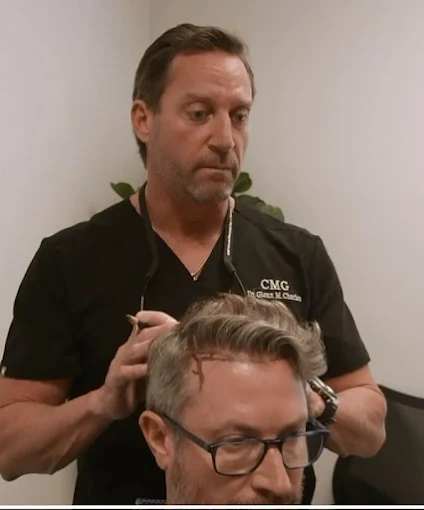
Experience shapes results, especially in hairline design. The clinic’s founding surgeon, Dr. Glenn Charles, has more than 25 years in the field, has performed over 15,000 procedures, and is a past president of the American Board of Hair Restoration Surgery. The boutique hair restoration practice has been treating patients since 1999.
A wider part, a shifting hairline, or more hair on the pillow are all signs worth taking seriously. Charles Medical Group offers one-on-one consultations that pinpoint the cause and build a personalized hair loss treatment plan. For people seeking trusted hair restoration in Boca Raton, that first conversation is the clearest path to fuller, healthier hair.
Disclaimer
Artificial Intelligence Disclosure & Legal Disclaimer
AI Content Policy.
To provide our readers with timely and comprehensive coverage, South Florida Reporter uses artificial intelligence (AI) to assist in producing certain articles and visual content.
Articles: AI may be used to assist in research, structural drafting, or data analysis. All AI-assisted text is reviewed and edited by our team to ensure accuracy and adherence to our editorial standards.
Images: Any imagery generated or significantly altered by AI is clearly marked with a disclaimer or watermark to distinguish it from traditional photography or editorial illustrations.
General Disclaimer
The information contained in South Florida Reporter is for general information purposes only.
South Florida Reporter assumes no responsibility for errors or omissions in the contents of the Service. In no event shall South Florida Reporter be liable for any special, direct, indirect, consequential, or incidental damages or any damages whatsoever, whether in an action of contract, negligence or other tort, arising out of or in connection with the use of the Service or the contents of the Service.
The Company reserves the right to make additions, deletions, or modifications to the contents of the Service at any time without prior notice. The Company does not warrant that the Service is free of viruses or other harmful components.