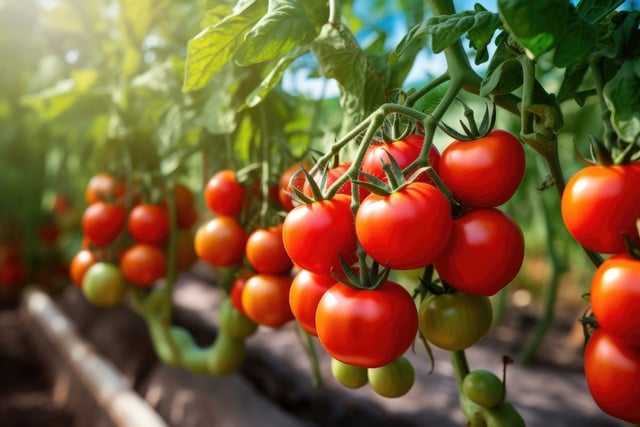
The humble tomato, a cornerstone of the global culinary experience, is currently at the center of an economic maelstrom. For decades, consumers in the United States and across the globe have taken the availability and affordability of this “vegetable”—botanically a fruit—for granted. Whether it is the base of a Sunday marinara, the sliced topping of a summer burger, or the soul of a fresh salsa, the tomato is ubiquitous. However, in early 2026, the checkout counter has become a site of sticker shock for millions.
According to a recent analysis by Cheapism, the situation has reached a breaking point. As noted in their report, “Why the Humble Tomato Is Driving Up Your Grocery Bill,” the latest Consumer Price Index data reveals that tomato prices jumped 15.3% in March alone and are up a staggering 22.6% compared to the same time last year. At the checkout, shoppers are now seeing prices around $2.25 a pound—the highest level in eight years.
To understand how a staple item could see such a meteoric rise in cost, one must look at a “perfect storm” of agricultural misfortune, geopolitical instability, and logistical nightmares. The crisis is not the result of a single failure but rather a cascading series of events that have squeezed the supply chain from the soil to the shelf.
The Meteorological Double-Whammy: Freeze and Fog
The primary driver of the immediate shortage can be traced back to the weather. The tomato supply chain in North America relies heavily on two main hubs: Florida and Mexico. Together, these regions ensure that fresh tomatoes are available year-round, even in the depths of a northern winter. In 2026, both hubs were hit by unprecedented weather events.

In Florida, which serves as the premier domestic producer of fresh tomatoes during the winter months, farmers were blindsided by a hard freeze in January—the first of its magnitude in over 15 years. Tomato plants are notoriously finicky; they lack the resilience of hardier root vegetables or grains. Cheapism reports that “just five hours of sub-freezing temperatures is enough to kill a crop.” Some Florida farms reported losing as much as 70% to 80% of their entire output in a single night. This decimated the domestic spring harvest, leaving produce buyers scrambling for alternatives.
However, the alternative source offered no relief. Mexico provides approximately 70% of the tomatoes consumed in the U.S. during this season. While Florida was freezing, Mexico was being battered by “extraordinary” rainfall and persistent fog. While tomatoes need water, excessive moisture is a death sentence for the crop. It creates a breeding ground for fungal diseases and pests, such as the Tomato Brown Rugose Fruit Virus (ToBRFV). The combination of low light and high humidity slowed plant growth and drastically reduced yields. Consequently, produce buyers found themselves looking at as little as one-eighth of their normal supply. In just 30 days, the wholesale price for a standard 25-pound box of tomatoes tripled.
Geopolitics and the Hidden Cost of Energy
While weather issues are seasonal and often cyclical, the 2026 crisis is further exacerbated by a geopolitical landscape that has made farming and transportation prohibitively expensive. The escalation of conflict in the Middle East, particularly the tensions involving Iran that flared in February, sent global energy markets into a tailspin.
Energy is the lifeblood of modern agriculture. Farmers require diesel to run their machinery, and distributors require it to refrigerate and transport perishable goods across thousands of miles. Since the conflict escalated, diesel prices have surged by more than 50%. This “fuel tax” is passed directly to the consumer. For a product like the tomato—which is mostly water and highly perishable—transportation costs account for a significant portion of its retail price.
Furthermore, the energy crisis has crippled the production of essential fertilizers. Key components like ammonia and urea are produced in massive quantities in the Middle East using natural gas. As energy prices skyrocketed, so did the cost of fertilizer—up over 50% in a few months. According to the American Farm Bureau Federation, 70% of farmers are now reporting that they simply cannot afford to fertilize their crops at the necessary levels this year. This lack of nutrition for the soil leads to smaller harvests and lower-quality fruit, further tightening the available supply.
The Tariff Tension
Adding to the complexity is the expiration and subsequent legal battles surrounding the Tomato Suspension Agreement. In July 2025, a 17% tariff was introduced on fresh Mexican tomatoes. This policy, designed to protect domestic growers in Florida from being undercut by cheaper imports, has had the unintended consequence of raising prices for the end consumer during a period of extreme scarcity. With Florida’s own crops failing due to the freeze, the 17% tariff on the remaining Mexican supply has acted as a price floor that keeps costs high.
Market analysts, including experts like Ricky Volpe, a professor of agribusiness at California Polytechnic State University, have noted that retailers are no longer able to absorb these cost increases. For much of late 2025, grocery stores ate the margins to keep customers happy, but by March 2026, the “pass-through” to consumers became inevitable.
The Greenhouse Dilemma
Some might wonder why greenhouse-grown tomatoes haven’t stepped in to fill the void. In theory, indoor farming should be immune to the “freeze and fog” that plagues field-grown crops. However, greenhouses are not immune to the energy crisis.
In Canada and the Northeastern U.S., greenhouse growers have faced a brutal winter characterized by a significant lack of sunlight. Without natural light, growers must rely on high-intensity “grow lights,” which consume massive amounts of electricity. With utility costs surging due to the global energy crunch, many greenhouse operations simply couldn’t afford to keep the lights on for the required hours. This led to a “dark winter” for production, with yields falling far below expectations.
The Consumer Impact: A New Kitchen Reality
For the average American family, these abstract economic factors manifest in very tangible ways. On social media platforms and community forums, “grocery haul” videos have shifted from showcasing deals to lamenting the cost of basic ingredients. Recent reports from consumers in the Northeast indicate that four standard greenhouse tomatoes can now cost upwards of $11.00.
The restaurant industry is also feeling the pinch. Many pizzerias and Mexican eateries have begun implementing “tomato surcharges” or simply removing certain items from the menu. In many cases, restaurants have switched from fresh slices to canned varieties to preserve their margins. While canned tomatoes are more price-stable—as they were processed and packaged before the current price spike—even they are beginning to rise in cost due to the increased price of the steel and aluminum used for the cans.
How to Navigate the Scarcity
Despite the bleak outlook, experts suggest there are ways for consumers to mitigate the impact on their wallets. Cheapism provides several actionable tips for those unwilling to give up their favorite fruit:
- Seek Out “Seconds”: Many grocery stores and farmers’ markets offer “imperfect” or “seconds” bins. These tomatoes may have slight bruising or irregular shapes, but as Cheapism notes, “they taste the same in a sauce or a stew and usually come at a steep discount.”
- The Canned Alternative: For cooked dishes, canned tomatoes are currently a much better value. They are picked at the peak of ripeness and processed immediately, offering a consistent flavor profile that often surpasses the “hard, tasteless specimens” found in the fresh produce section during a shortage.
- Prioritize Firmness: If you must buy fresh, be discerning. With supply so low, some distributors are pushing lackluster products into the market. If a tomato feels soft or looks dull, it is not worth the premium price.
- Grow Your Own: The ultimate way to bypass the supply chain is to become the producer. Even for those without a backyard, tomatoes are remarkably productive in pots and containers on balconies or windowsills. The “shipping cost” from a backyard to a kitchen table is, as many have pointed out, zero dollars.
The Road Ahead: Is There Hope?
Is there an end in sight for the Great Tomato Crisis? There is a “sliver of hope,” according to agricultural experts. Florida farmers were able to get “recovery crops” into the ground almost immediately following the January freeze. These plants are expected to reach maturity and hit store shelves in late April and early May 2026. This influx of domestic supply should provide immediate relief to the wholesale market and help lower retail prices.
However, a return to 2024 price levels is unlikely in the near term. As long as oil remains above $90 a barrel, the costs of plastic packaging, fertilizer, and freight will remain elevated. The tomato has become a bellwether for the modern economy—a reminder of how fragile our global food systems are when faced with the combined forces of climate change and geopolitical strife.
For now, the tomato remains a luxury item, a far cry from the “humble” status it once held. But as the new harvests begin to trickle in, consumers may finally find a bit of “red” in their grocery bags without seeing quite so much “red” on their bank statements. The crisis of 2026 serves as a stark lesson: in a globalized world, even the simplest ingredients are subject to the complex winds of international change.
Source:
- Cheapism: https://www.cheapism.com/rising-tomato-prices/
Disclaimer
Artificial Intelligence Disclosure & Legal Disclaimer
AI Content Policy.
To provide our readers with timely and comprehensive coverage, South Florida Reporter uses artificial intelligence (AI) to assist in producing certain articles and visual content.
Articles: AI may be used to assist in research, structural drafting, or data analysis. All AI-assisted text is reviewed and edited by our team to ensure accuracy and adherence to our editorial standards.
Images: Any imagery generated or significantly altered by AI is clearly marked with a disclaimer or watermark to distinguish it from traditional photography or editorial illustrations.
General Disclaimer
The information contained in South Florida Reporter is for general information purposes only.
South Florida Reporter assumes no responsibility for errors or omissions in the contents of the Service. In no event shall South Florida Reporter be liable for any special, direct, indirect, consequential, or incidental damages or any damages whatsoever, whether in an action of contract, negligence or other tort, arising out of or in connection with the use of the Service or the contents of the Service.
The Company reserves the right to make additions, deletions, or modifications to the contents of the Service at any time without prior notice. The Company does not warrant that the Service is free of viruses or other harmful components.