— Budget Rx —
A wide-ranging budget-conforming bill that took effect at the start of the month makes a series of healthcare and human services policy changes designed to align Florida law with the state’s new spending plan.
HB 5301-E updates multiple statutes to implement provisions of the 2026-27 budget, making technical and substantive changes across several state programs administered by the Florida Department of Health and other agencies.

Among the most significant healthcare provisions, the measure revises the Department of Health’s revolving loan program, authorizes new newborn screening testing and updates policies related to infant nutritional needs and the state’s trauma system. Those changes are intended to ensure state law reflects funding and operational decisions included in this year’s budget.

The legislation also establishes a statutory formula for distributing funding through the Slots for Doctors Program, which supports physician residency training to strengthen Florida’s healthcare workforce.
The bill makes several previously funded initiatives permanent. That includes the Step into Success Workforce Education and Internship Program, which helps former foster youth aged 16-26 build job skills, and the new Foster and Family Support Grant Program, designed to provide additional assistance to foster families and caregivers.
Budget-conforming bills receive less attention than many policy measures, but they play a critical role in implementing the annual appropriations. In many cases, they also serve as the vehicle for creating or permanently authorizing programs that receive funding through the state budget.
HB 5301-E was among the measures that became law when Florida’s 2026-27 fiscal year began on July 1.

— Also kicking in —
Florida’s new fiscal year also ushered in a slate of other healthcare laws, ranging from technical fixes to broader changes affecting hospitals, pharmacies, medical research and patient care statewide.
Among the most significant is HB 355 by Rep. Vanessa Oliver, which requires every Florida hospital with an emergency department to establish evidence-based pediatric care policies covering areas such as triage, medication dosing, vital signs, weight measurements in kilograms and the use of pediatric-specific equipment.
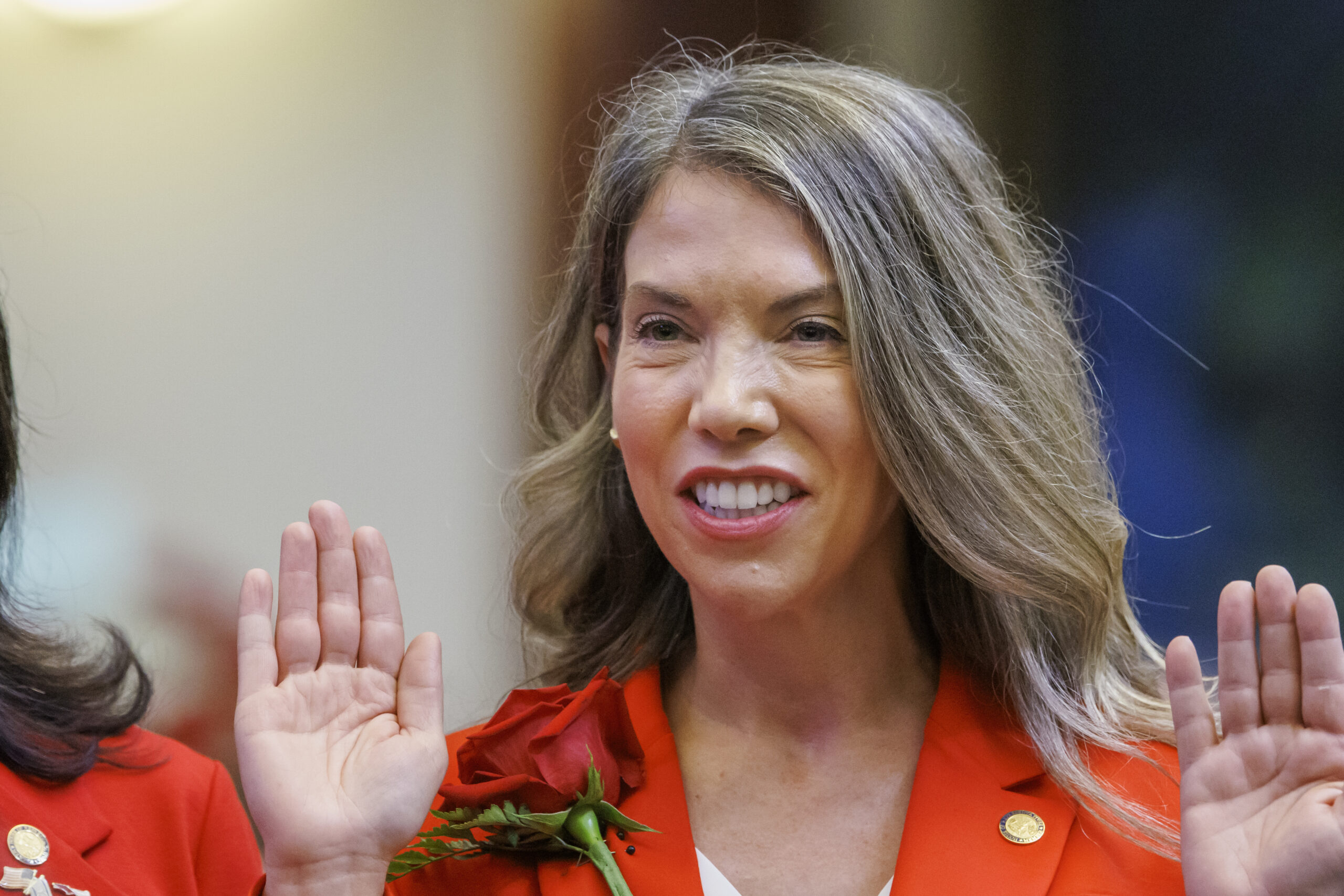
Hospitals also must designate a pediatric emergency care coordinator, conduct annual training and emergency drills, participate in the National Pediatric Readiness Assessment, and publicly report their readiness scores through the Agency for Health Care Administration, which is tasked with establishing statewide minimum standards for pediatric emergency care.
Another notable change comes through HB 697 by Rep. Jennifer Kincart Jonsson, which expands state oversight of pharmacy benefit managers.
The law prohibits PBMs from requiring pharmacies to dispense medications at a financial loss and bars them from reimbursing independent pharmacies at rates lower than those paid to affiliated pharmacies. It also streamlines the appeals process by allowing pharmacies to file consolidated reimbursement challenges involving identical claims.
Other health-related laws that took effect this month:
Other health-related laws taking effect this month establish the University of Florida Diabetes Institute as a statewide resource for diabetes research, education and treatment (SB 816); expand the Linking Industry to Nursing Education Fund (SB 1246); require schools, including charter schools, to adopt updated seizure response protocols for students with epilepsy (HB 1201); and create a statewide Parkinson’s disease registry at the University of South Florida (HB 1443).
— Slight dip —
Florida’s Medicaid and Children’s Health Insurance Program enrollment continued to decline over the past year, tracking a nationwide pullback as states move further beyond the pandemic-era continuous coverage policy.
According to the latest KFF enrollment tracker update, Florida’s Medicaid and CHIP rolls fell from 3.74 million beneficiaries in March 2025 to 3.57 million in March 2026, a decrease of roughly 166,000 people, or 4%. While enrollment has fallen nationwide, Florida’s decline was smaller than the national average of 6% and well below states such as Indiana, which posted the nation’s steepest one-year decline at 20%.

The report shows that Florida’s Medicaid and CHIP enrollment is now slightly below its level before the COVID-19 pandemic. Nationally, enrollment surged during the public health emergency because states were required to keep beneficiaries continuously enrolled in exchange for enhanced federal funding. Since that policy ended in 2023, states have resumed eligibility reviews, driving enrollment lower across the country.
Despite the overall decline, Florida was among 19 states where CHIP enrollment increased over the past year, even as Medicaid enrollment continued to shrink. KFF notes that Medicaid enrollment decreased in every state between March 2025 and March 2026, reflecting the continued unwinding of pandemic-era coverage policies.
Looking ahead, KFF projects additional enrollment declines as provisions of the 2025 federal reconciliation law take effect. Those changes include new Medicaid work and reporting requirements for expansion populations beginning in 2027, as well as restrictions affecting some immigrant populations starting in October 2026.

Disclaimer
Artificial Intelligence Disclosure & Legal Disclaimer
AI Content Policy.
To provide our readers with timely and comprehensive coverage, South Florida Reporter uses artificial intelligence (AI) to assist in producing certain articles and visual content.
Articles: AI may be used to assist in research, structural drafting, or data analysis. All AI-assisted text is reviewed and edited by our team to ensure accuracy and adherence to our editorial standards.
Images: Any imagery generated or significantly altered by AI is clearly marked with a disclaimer or watermark to distinguish it from traditional photography or editorial illustrations.
General Disclaimer
The information contained in South Florida Reporter is for general information purposes only.
South Florida Reporter assumes no responsibility for errors or omissions in the contents of the Service. In no event shall South Florida Reporter be liable for any special, direct, indirect, consequential, or incidental damages or any damages whatsoever, whether in an action of contract, negligence or other tort, arising out of or in connection with the use of the Service or the contents of the Service.
The Company reserves the right to make additions, deletions, or modifications to the contents of the Service at any time without prior notice. The Company does not warrant that the Service is free of viruses or other harmful components.