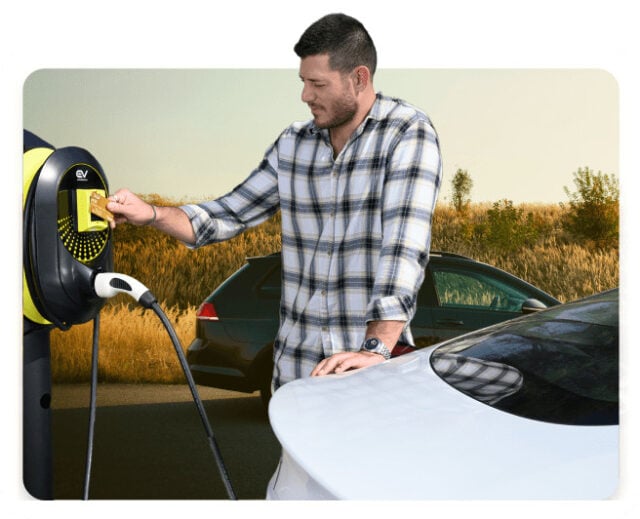
The driver arrives at the charging station at the end of the day with a low battery. The charger is available, but there is one problem. In order to start a session, a user needs to download an application, register an account, and input payment information. What should be a simple stop can suddenly require several extra steps.
This kind of experience helps to explain why the use of contactless payment is growing at EV charging stations. Drivers already use cards, phones, and wearables to pay for daily living expenses. Naturally, they expect a similarly simple process when charging an electric vehicle.
Meanwhile, the number of public charging stations is growing. They are being used by more travelers, occasional drivers, and new EV owners. The expectation for speed is increasing as well due to faster chargers. Consequently, payment convenience is becoming a more important consideration for operators.
The following points describe why contactless payment is gaining popularity at EV charging stations and how it is impacting EV drivers.

- Drivers Want A Familiar And Simple Way To Pay
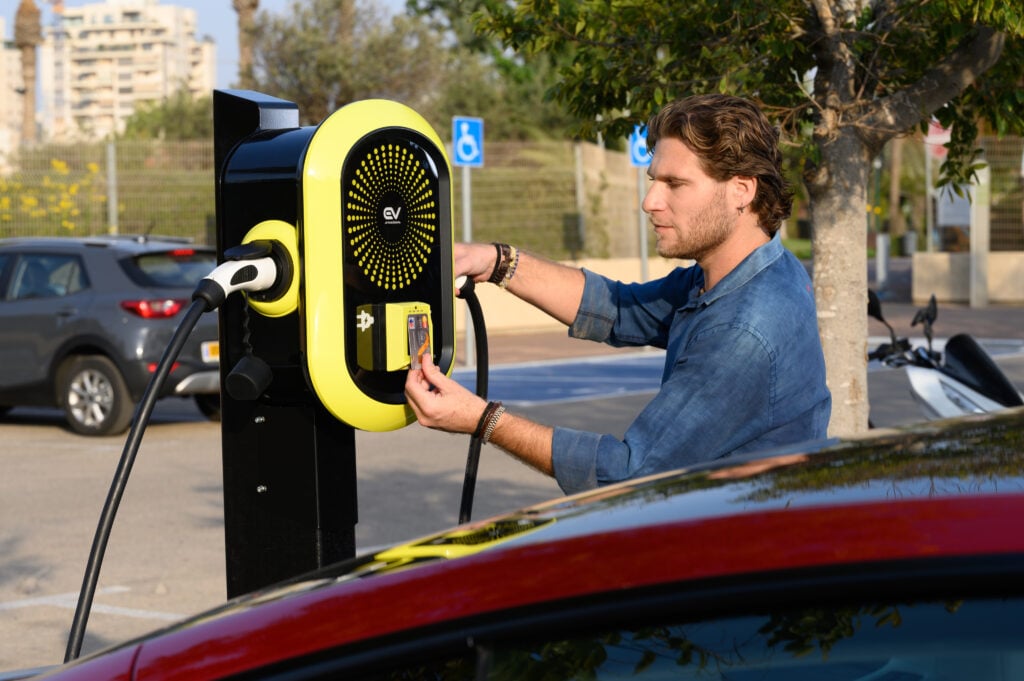
Public EV charging is more than simply locating an EV charging station. Drivers also need a quick and simple way to start and pay for a session. The importance of cashless EV charger payments is growing, as they meet that need through familiar tap-to-pay methods. This can come in handy when you are not expecting to charge, like between appointments.
Contactless payment makes the process easier by:
- Faster payment starts
- Less reliance on app downloads
- Fewer manual steps
- Familiar tap-to-pay options
These can help make every charging stop easier and less stressful as drivers turn to charging stations and networks to get on the road.
- More Charging Locations Are Creating A Greater Need
The growing public charging network is making simple payment options increasingly critical. Drivers are increasingly using charging stations outside their normal travel patterns, which means they may encounter unfamiliar providers and payment systems.
Public charging points are also expanding globally, and easy access and payment are becoming crucial. As public charging infrastructure expands, drivers may encounter different payment requirements from one location to another.
Drivers may switch between charging networks, and payment models may change depending on that. Some stations might want an app, and others might want drivers to sign up for an account. Contactless payment can alleviate these additional steps and is a familiar alternative.
This can be particularly helpful at:
- Highway charging sites
- Retail locations
- Public parking areas
- Tourist destinations
With the charging network expanding, drivers will benefit from flexible, familiar payment methods to make the charging experience easier.
- Faster Charging Is Also Changing Payment Expectations
The network continues to expand, but that’s just one part of the equation. Charging speeds are also improving, particularly on major travel routes where high-power charging is increasingly being used.
Charging that provides more power is becoming more prominent in the public charging infrastructure and is starting to alleviate the time many drivers spend at charging stops.
Contactless payment does not improve charge time but can help to minimize delays. Even though drivers know how to use the system, they must learn pricing, authorization, and how to start charging. Having a fast charger doesn’t mean it’s going to be a fast experience. As a result, demand for payment methods that feel quick and simple is also increasing.
- Operators Need To Serve Different Types Of Drivers
It’s not only drivers calling for more convenient payments. Charging operators also provide a broader customer base than ever before.
If you’re a regular commuter around town, you might want to use an app. Maybe a traveler would like to tap a card. A different motorist can take advantage of a mobile wallet or an RFID credential. Each driver may have different payment preferences.
Allowing multiple payment methods can enable operators to offer:
- Easier access for more customers
- Smoother transactions
- Fewer payment barriers
- Better transaction records
This versatility can also help make charging locations more user-friendly. Not all customers desire to establish an account or be part of a network prior to paying.
Nayax provides cashless payment solutions for EV chargers that can support contactless payment and other payment options, giving operators another way to accommodate drivers with different preferences.
Contactless payment offers one of the additional channels for operators to cater to that large audience. It provides a familiar choice for the people who might be new to a location or network.
- Simplicity Is Driving The Continued Rise Of Contactless Payment
Public charging is being used by more EV drivers and at more public charging locations. Increased charging speeds are generating higher expectations. Operators are also serving a wider range of customers.
All these factors are making the simple payment experience more valuable.
Typically, the charging experience involves multiple steps:
- Search for an available charger.
- Checking the price
- Starting the session
- Using a well-known payment method
- Clearly receiving transaction details.
Every step has an impact on the entire experience. Even if a driver can easily locate a quick and convenient charging station, they might be frustrated if it is hard to get started or to pay for the charge.
Contactless payment can assist with one critical aspect of this journey. It can make the payment process faster and more familiar. Hence, it is turning out to be more than an optional extra.
When it comes to public charging, ease of use can be one of the differentiating factors that make a stop memorable. Drivers may recall completing the entire process easily, rather than whether the charger worked.
This is why contactless payment is still on the rise. Networks continue to grow; expectations have changed, charging speeds are increasing, and flexibility is a driver for adoption.
Conclusion
The growing trend of contactless payment at EV charging stations is connected to a number of EV market changes. Public charging networks are growing, and people are taking advantage of more charging locations. Meanwhile, faster chargers have been increasing expectations for a faster total experience.
Drivers desire easy payment methods that are familiar. Operators must also have systems that are flexible to meet the needs of frequent users, travelers, and occasional drivers. Contactless payment offers a way to address both needs by reducing unnecessary steps.
With growing public charging, the convenience of the payment method is increasingly important. The rise of contactless technology reflects a broader shift toward more convenient, efficient, and user-friendly charging experiences.
Disclaimer
Artificial Intelligence Disclosure & Legal Disclaimer
AI Content Policy.
To provide our readers with timely and comprehensive coverage, South Florida Reporter uses artificial intelligence (AI) to assist in producing certain articles and visual content.
Articles: AI may be used to assist in research, structural drafting, or data analysis. All AI-assisted text is reviewed and edited by our team to ensure accuracy and adherence to our editorial standards.
Images: Any imagery generated or significantly altered by AI is clearly marked with a disclaimer or watermark to distinguish it from traditional photography or editorial illustrations.
General Disclaimer
The information contained in South Florida Reporter is for general information purposes only.
South Florida Reporter assumes no responsibility for errors or omissions in the contents of the Service. In no event shall South Florida Reporter be liable for any special, direct, indirect, consequential, or incidental damages or any damages whatsoever, whether in an action of contract, negligence or other tort, arising out of or in connection with the use of the Service or the contents of the Service.
The Company reserves the right to make additions, deletions, or modifications to the contents of the Service at any time without prior notice. The Company does not warrant that the Service is free of viruses or other harmful components.