 |
|
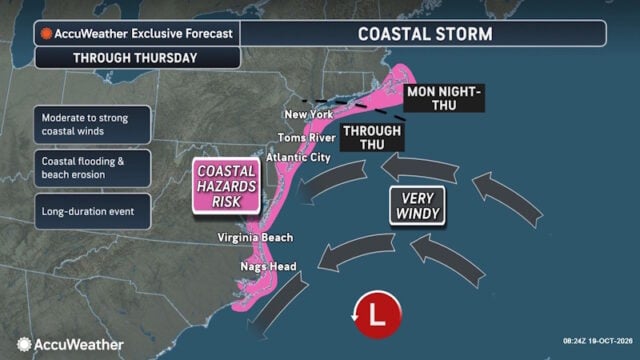
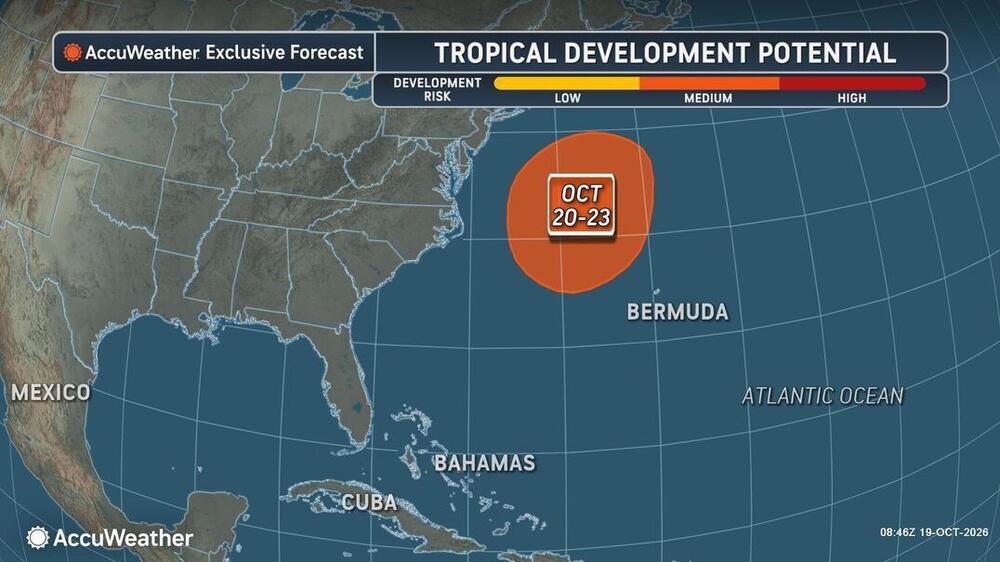
Tropical vs. Subtropical Development Tropical systems derive their energy primarily from warm ocean waters, while subtropical storms draw energy from both warm ocean waters and atmospheric processes associated with the jet stream. Subtropical storms also typically have larger wind fields than purely tropical systems, allowing hazardous marine conditions to extend farther from their centers. The area of low pressure off the East Coast is associated with a cold front, a common source of late-season tropical or subtropical development. Late-Season Tropical Threats Remain Despite El Niño Impacted Season As hurricane season approaches its Nov. 30 conclusion, AccuWeather hurricane experts increasingly focus on the western Caribbean, the Gulf, and waters off the southeastern United States for development. “The risk of another major hurricane in the Atlantic this season is low, but we could still see one or two additional named storms and perhaps another hurricane before the season ends. Even one more direct U.S. impact cannot be ruled out this season. It only takes one storm to cause significant damage and threaten lives. With several weeks remaining in hurricane season, people living in hurricane-prone areas should not let their guard down,” added DaSilva. Increasing wind shear makes the Atlantic’s main development region less favorable for storm formation late in the season, while waters closer to the United States remain warm enough to support tropical development. |

Disclaimer
Artificial Intelligence Disclosure & Legal Disclaimer
AI Content Policy.
To provide our readers with timely and comprehensive coverage, South Florida Reporter uses artificial intelligence (AI) to assist in producing certain articles and visual content.
Articles: AI may be used to assist in research, structural drafting, or data analysis. All AI-assisted text is reviewed and edited by our team to ensure accuracy and adherence to our editorial standards.
Images: Any imagery generated or significantly altered by AI is clearly marked with a disclaimer or watermark to distinguish it from traditional photography or editorial illustrations.
General Disclaimer
The information contained in South Florida Reporter is for general information purposes only.
South Florida Reporter assumes no responsibility for errors or omissions in the contents of the Service. In no event shall South Florida Reporter be liable for any special, direct, indirect, consequential, or incidental damages or any damages whatsoever, whether in an action of contract, negligence or other tort, arising out of or in connection with the use of the Service or the contents of the Service.
The Company reserves the right to make additions, deletions, or modifications to the contents of the Service at any time without prior notice. The Company does not warrant that the Service is free of viruses or other harmful components.