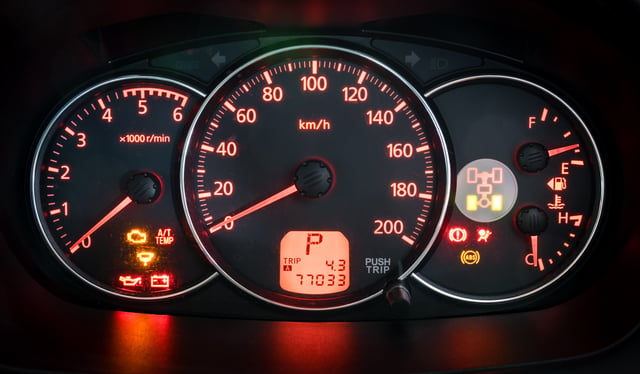
Modern cars monitor everything from engine performance to tire pressure. When something needs attention, the vehicle usually communicates through a light or symbol on the dashboard. For new drivers, however, seeing an unfamiliar icon appear while driving can be confusing.
Understanding car symbols on dashboard displays can make driving less stressful, especially for beginners. In this guide, we explain the most common dashboard symbols, what they mean, and what you should do when one of them appears.
What Are the Symbols on a Car Dashboard?
Dashboard symbols are visual indicators connected to different vehicle systems. They can provide information about the engine, brakes, battery, tires, airbags, fuel level, temperature and other components.
Some lights appear briefly when the vehicle starts. This is usually part of a normal system check. If a warning light remains illuminated after the engine is running, however, it may indicate that the vehicle has detected an issue.

Symbols can vary slightly by manufacturer and model. When you’re unsure, the vehicle owner’s manual is the best place to confirm what a particular symbol means.
What Do Dashboard Warning Light Colors Mean?
The color of a dashboard symbol can quickly indicate how urgently the driver should respond. The exact system varies between vehicles, but manufacturers generally follow a similar pattern.
Red warning lights usually indicate a serious issue or something that requires immediate attention. Depending on the warning, you may need to stop the vehicle as soon as it is safe to do so.
Yellow or orange lights normally indicate that a system needs inspection or service. The vehicle may still be drivable, but you should not ignore the problem.
Green, blue, and sometimes white symbols typically provide information rather than warn of a malfunction. For example, they may indicate that headlights, cruise control or another feature is currently operating.
Common Car Symbols on Dashboard and Their Meanings
Drivers may see dozens of different dashboard symbols over the lifetime of a vehicle. The following are among the most common.
Check Engine Light
The check engine light is one of the most recognizable dashboard warnings. It usually looks like the outline of an engine.
Many different problems can cause this light to appear. A loose fuel cap, emissions problem, faulty sensor or engine issue are just a few possibilities. Because the same light can represent many different conditions, the cause usually needs to be diagnosed rather than guessed.
A steadily illuminated check engine light generally calls for an inspection soon. A flashing light can indicate a more urgent problem and should receive prompt attention.
The correct response can also vary by vehicle. For example, Nissan Rogue owners can check for more details on what to do when the check engine light appears.
Oil Pressure Warning Light
The oil pressure symbol often resembles an old-fashioned oil can.
If this warning remains on while the engine is running, the engine may not be receiving sufficient oil pressure. Because oil is essential for lubricating moving engine components, continuing to drive with inadequate oil pressure could result in serious engine damage.
Drivers should find a safe place to stop and follow the instructions in their vehicle’s manual.
Battery Warning Light
The battery symbol does not necessarily mean that the battery itself has failed. It usually indicates a problem with the vehicle’s charging system.
Possible causes can include the battery, alternator, wiring or other charging-system components. If the system stops charging completely, the vehicle may eventually lose electrical power and shut down.
Brake Warning Light
A brake warning light commonly appears as an exclamation point inside a circle.
Sometimes the explanation is simple: the parking brake may still be engaged. If the parking brake is fully released and the light stays on, the warning could indicate low brake fluid or another brake-system issue.
Because brakes are critical to vehicle safety, drivers should take unexplained brake warnings seriously.
Tire Pressure Warning Light
The Tire Pressure Monitoring System, or TPMS, symbol usually looks like a tire with an exclamation point in the middle.
When this warning appears, one or more tires may have low pressure. It is important to check the tire pressure as soon as possible rather than ignore the warning.
Cold weather can also cause tire pressure to drop, so the light may appear after a major temperature change.
Check each tire and inflate it to the pressure recommended by the vehicle manufacturer. You can usually find the correct pressure on a label inside the driver’s door or in the owner’s manual.
Engine Temperature Warning Light
The engine temperature warning symbol often looks like a thermometer above waves.
It can indicate that the engine is overheating. Driving an overheating vehicle can cause expensive engine damage, so the warning should not be ignored.
If the temperature warning appears, the safest response is generally to stop the vehicle when possible and allow the engine to cool before investigating further. Drivers should never open a hot cooling system because pressurized coolant can cause burns.
ABS Warning Light
ABS stands for anti-lock braking system. The system helps prevent the wheels from locking during hard braking.
If the ABS warning stays on, conventional braking may still function, but the anti-lock feature could be unavailable. Because braking behavior may be affected, the vehicle should be inspected.
Airbag Warning Light
An airbag warning may indicate a problem with the Supplemental Restraint System, also known as SRS.
This system includes airbags and related safety components. If the warning remains illuminated, one or more airbags may not operate as intended during a collision. The issue should therefore be diagnosed rather than ignored.
Traction Control Light
The traction control symbol commonly shows a car with wavy lines beneath it.
It may flash briefly when the system is actively helping the vehicle maintain traction on a slippery surface. That is usually normal.
If the light remains on continuously, however, there may be a problem with the traction or stability-control system.
Low Fuel Warning Light
The fuel pump symbol is one of the simplest dashboard indicators. It means the fuel level has dropped below a predetermined point.
Although this warning is not normally a mechanical emergency, consistently driving with very little fuel is best avoided. Drivers should refuel soon after the light appears.
Which Dashboard Warning Lights Need Immediate Attention?
Not every dashboard symbol requires the driver to stop immediately. However, some warnings deserve particular attention.
An oil pressure warning, engine overheating warning or serious brake-system warning can indicate conditions capable of causing mechanical damage or affecting safety. A flashing check engine light can also signal a significant engine problem.
The safest response depends on the vehicle and circumstances. If a warning is red, flashing or accompanied by unusual sounds, smoke, loss of power or changes in the way the vehicle handles, continuing to drive may not be advisable.
What Should You Do When a Dashboard Light Comes On?
First, stay calm and pay attention to how the vehicle is behaving. An illuminated symbol does not automatically mean the car is about to break down.
Identify the warning and check its color. If possible, consult the owner’s manual for the manufacturer’s instructions. Drivers should also look for other warning signs such as overheating, unusual noises, reduced braking performance or a noticeable loss of engine power.
If the warning indicates a serious problem, move to a safe location and stop the vehicle. For less urgent warnings, schedule an inspection or diagnostic test before a minor issue becomes more expensive.
Can You Keep Driving With a Warning Light On?
It depends on the warning.
A low fuel light may simply mean you need to stop at a gas station. A tire pressure light means you should check your tires. Other warnings, such as low oil pressure or overheating, may mean you should stop driving.
Dashboard problems can also involve the display itself. A recent dashboard recall showed why drivers need to be able to clearly see important warnings and vehicle information.
Knowing the difference between these warnings can help you make a safer decision when a dashboard light suddenly appears.
Final Thoughts
Car dashboards contain a large amount of information, but drivers do not need to memorize every symbol at once. Learning the most common warning lights is a good starting point.
Pay attention to the symbol, its color and any changes in how the vehicle behaves. When in doubt, check the owner’s manual or have the vehicle inspected by a qualified technician. Understanding car symbols on dashboard displays can help drivers identify problems earlier, avoid unnecessary damage and feel more confident behind the wheel.
Disclaimer
Artificial Intelligence Disclosure & Legal Disclaimer
AI Content Policy.
To provide our readers with timely and comprehensive coverage, South Florida Reporter uses artificial intelligence (AI) to assist in producing certain articles and visual content.
Articles: AI may be used to assist in research, structural drafting, or data analysis. All AI-assisted text is reviewed and edited by our team to ensure accuracy and adherence to our editorial standards.
Images: Any imagery generated or significantly altered by AI is clearly marked with a disclaimer or watermark to distinguish it from traditional photography or editorial illustrations.
General Disclaimer
The information contained in South Florida Reporter is for general information purposes only.
South Florida Reporter assumes no responsibility for errors or omissions in the contents of the Service. In no event shall South Florida Reporter be liable for any special, direct, indirect, consequential, or incidental damages or any damages whatsoever, whether in an action of contract, negligence or other tort, arising out of or in connection with the use of the Service or the contents of the Service.
The Company reserves the right to make additions, deletions, or modifications to the contents of the Service at any time without prior notice. The Company does not warrant that the Service is free of viruses or other harmful components.