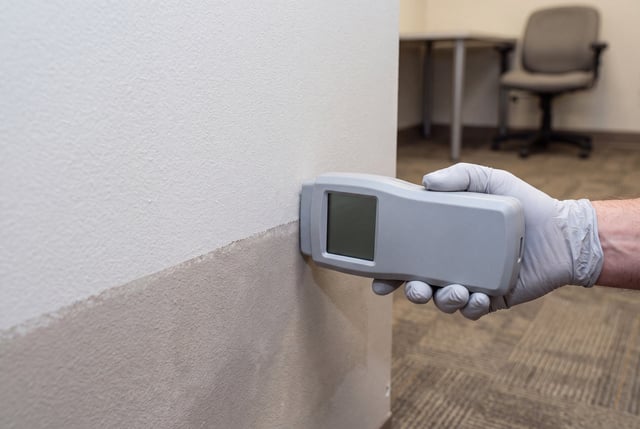
Lead paint poisoning can harm a child’s health long after the exposure has ended. Families who face this situation often wonder what a fair settlement should look like. When two children live in separate apartments and have different test results, their settlements seldom match. Courts and insurers still weigh the same core factors when they review these claims. When a child’s lead exposure becomes a legal claim, families bring it to Rheingold Law Firm. Knowing the main factors helps families set realistic expectations before any settlement talks begin.
Medical Evidence and Lasting Harm
Medical records usually carry the most weight when a settlement value is first set. Blood lead test results show roughly how much lead entered the body over time. When a child struggles to learn or behaves differently, the doctor notes it in the child’s chart. Once a family seeks compensation for lead exposure, the child’s chart notes become the first pages of the file. More serious and lasting injuries generally lead to higher settlement values than mild ones. Specialists retest the child over the following years to see whether the lead damage ever fades.
Where the Exposure Happened

Proof of the exact source matters because lead hazards can exist in many places. In an older apartment, lead often comes from window sills that chip and leave dust on the floor. Once a city inspector writes up the peeling paint, the report ties the hazard to that child’s home. Records of where the child lived and spent time also help narrow the cause. Without that link, an insurer may argue that the lead came from somewhere else. If the child’s records place the lead at one building, the other side struggles to point elsewhere.
Landlord Responsibility and Notice
Landlords have duties to keep rental homes safe, especially when young children live there. New York City requires many owners of older buildings to inspect for lead hazards. When a landlord knew about peeling paint and did nothing, the claim grows stronger. Once a tenant files a repair request, the owner is on record as having been told. Ignored warnings tend to raise settlement pressure because they suggest the harm was avoidable. Insurance coverage limits for the property can also affect how much money is available.
Economic Losses and Future Care
Settlements also account for the financial costs that come with a childhood lead injury. Each year a child spends in therapy adds another round of bills to what the family owes. Special education services and tutoring may also be needed as the child grows older. Some injuries reduce future earning ability, and experts often estimate that long term loss. A court also puts a price on what the child went through, beyond the bills. If a parent brings a detailed estimate of future care, the offer has less room to fall short.
Why Timing and Documentation Matter
Filing deadlines can differ for children and adults, so timing deserves careful early attention. Waiting too long can make records harder to find and witnesses harder to reach. Families should save medical files, lease papers, repair requests, and notices from the city. Photos of peeling paint should be clearly dated and stored in a safe place. Many cases settle before trial, but offers depend on how strong the proof looks. If a family signs off on the first offer, the bills that come later fall on them.
A parent who wants a settlement figure starts with the child’s own medical records, not an online search. Specialists then put a dollar figure on the care the child needs in later years. That’s a lot for a worried parent to sort out alone during hard times. Thankfully, the key pieces get easier to spot once you know them. Start by gathering what you already have, even if it feels incomplete. Every small detail you save now can matter a great deal later.
Disclaimer
Artificial Intelligence Disclosure & Legal Disclaimer
AI Content Policy.
To provide our readers with timely and comprehensive coverage, South Florida Reporter uses artificial intelligence (AI) to assist in producing certain articles and visual content.
Articles: AI may be used to assist in research, structural drafting, or data analysis. All AI-assisted text is reviewed and edited by our team to ensure accuracy and adherence to our editorial standards.
Images: Any imagery generated or significantly altered by AI is clearly marked with a disclaimer or watermark to distinguish it from traditional photography or editorial illustrations.
General Disclaimer
The information contained in South Florida Reporter is for general information purposes only.
South Florida Reporter assumes no responsibility for errors or omissions in the contents of the Service. In no event shall South Florida Reporter be liable for any special, direct, indirect, consequential, or incidental damages or any damages whatsoever, whether in an action of contract, negligence or other tort, arising out of or in connection with the use of the Service or the contents of the Service.
The Company reserves the right to make additions, deletions, or modifications to the contents of the Service at any time without prior notice. The Company does not warrant that the Service is free of viruses or other harmful components.