Tapping a phone to summon a ride has become second nature for millions of people. It is convenient and often affordable, but it does not remove the risk of a collision. When a crash happens, passengers are often left wondering who is responsible and what to do next.
Knowing your options early can protect both your health and your finances. Here is what every rideshare passenger should understand.
Your Rights After a Rideshare Crash
Riding as a passenger puts you in a different legal position than a driver. You did not control the vehicle, yet you may still be able to recover compensation from more than one source.
Holding the Responsible Party Accountable
Fault in a rideshare crash can fall on the rideshare driver, another motorist, or in some cases the rideshare company.

Whoever caused the collision, a passenger in an Uber accident has the right to seek accountability. Reporting the crash through the app is a smart early move. It starts the company’s own review and creates a record that insurers can examine.
Getting Medical Care
See a medical professional as soon as you can after any collision. Concussions and internal injuries may not cause obvious symptoms for hours or even days.
Treatment also builds a paper trail linking your injuries to the crash. If an insurer later claims your injuries were minor or came from something else, those records become powerful evidence.
Recovering Compensation
Injured passengers may be able to recover damages for several kinds of loss, including:
- Current and future medical bills
- Income lost while recovering
- Pain and suffering
- Vehicle or property damage
- Long-term disability or reduced earning capacity
The money may come from the at-fault driver’s insurer, the rideshare company’s policy, or both.
Steps to Take Right Away
What you do in the hours and days after a crash can shape the outcome of your claim.
Check for Injuries
Start by checking yourself and everyone else in the vehicle. Adrenaline can hide pain, so get evaluated even if you feel okay.
Waiting to seek care gives insurers room to question how serious your injuries are or what caused them.
Report the Crash
Call 911 for any serious collision. For minor crashes, a police report is still worth requesting. It can help during negotiations, although it generally cannot be used as evidence in court.
Also tell the rideshare company. Most apps have safety tools that share your location and the vehicle’s details with emergency responders.
Document Everything
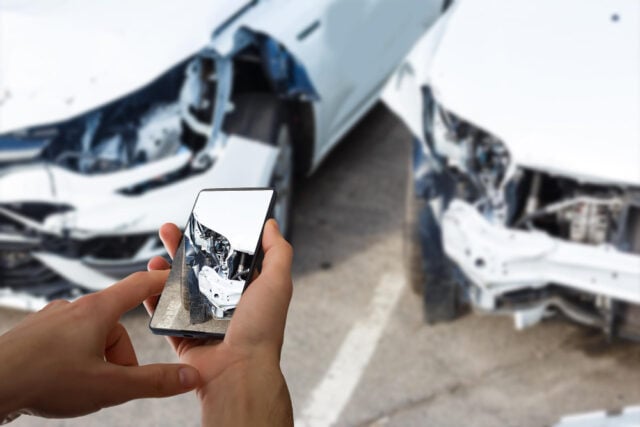
If you can, photograph the vehicles, the road, and any visible injuries. Gather names, phone numbers, insurance details, and license plate numbers from every driver involved.
Ask witnesses for their contact information too. Keep photos, medical records, and receipts together in one folder.
Be Careful With Early Settlement Offers
Insurers often reach out quickly, sometimes with an offer before your injuries are fully understood. Early offers rarely reflect what a claim is truly worth.
Most settlements are final once accepted. If new medical problems appear later, you usually cannot ask for more.
Speak With an Attorney First
Rideshare claims tend to be more complex than ordinary car accident cases because several parties and policies may be involved. Talking to an experienced Uber accident attorney before giving a statement to any insurer can help protect your claim.
Who Pays for a Passenger’s Injuries
Which policy applies depends on how the crash happened.
When the Rideshare Driver Is at Fault
California requires rideshare companies to carry substantial liability coverage, often up to $1 million, when a driver is carrying a passenger. This matters because personal auto policies commonly exclude commercial activity like ridesharing.
When Another Driver Is at Fault
If another motorist caused the crash, you can usually file a claim against that driver’s insurer. Many drivers carry only minimum coverage, though, which may not be enough for a serious injury.
When that happens, the rideshare company’s uninsured or underinsured motorist coverage may help cover the shortfall.
When Fault Is Shared
California applies comparative negligence, so more than one party can share blame for a collision. If a rideshare driver and another motorist both contributed, you may need to pursue claims against multiple insurers.
Can You Sue a Rideshare Company?
In many cases, yes. Passengers can bring a claim against the at-fault driver and, in certain situations, against the rideshare company itself when available coverage does not fully address the losses.
Recoverable damages can include medical bills, lost income, and pain and suffering. In the most devastating cases, families may pursue wrongful death claims. Courts may also award punitive damages when someone’s conduct was especially reckless.
How a Lawyer Can Help
Rideshare cases involve layers of insurance, multiple possible defendants, and strict rules about when coverage applies. Handling all of that while recovering from an injury can feel overwhelming.
A personal injury attorney in your area can investigate the crash, identify every responsible party, and determine which policies apply. They can also deal with insurers on your behalf, which helps guard against lowball offers.
If negotiations stall, an attorney can take the case to court. For an injured passenger, the right legal guidance can mean the difference between a payout that barely covers the basics and one that reflects the real cost of the crash.
Disclaimer
Artificial Intelligence Disclosure & Legal Disclaimer
AI Content Policy.
To provide our readers with timely and comprehensive coverage, South Florida Reporter uses artificial intelligence (AI) to assist in producing certain articles and visual content.
Articles: AI may be used to assist in research, structural drafting, or data analysis. All AI-assisted text is reviewed and edited by our team to ensure accuracy and adherence to our editorial standards.
Images: Any imagery generated or significantly altered by AI is clearly marked with a disclaimer or watermark to distinguish it from traditional photography or editorial illustrations.
General Disclaimer
The information contained in South Florida Reporter is for general information purposes only.
South Florida Reporter assumes no responsibility for errors or omissions in the contents of the Service. In no event shall South Florida Reporter be liable for any special, direct, indirect, consequential, or incidental damages or any damages whatsoever, whether in an action of contract, negligence or other tort, arising out of or in connection with the use of the Service or the contents of the Service.
The Company reserves the right to make additions, deletions, or modifications to the contents of the Service at any time without prior notice. The Company does not warrant that the Service is free of viruses or other harmful components.