A Sudden Announcement Online
The weekend started with a massive diplomatic surprise. President Donald Trump made a bold claim on social media. He posted on his Truth Social platform on Saturday. He stated that a major deal with Iran is ready.

According to Trump, the agreement is completely finalized. He wrote that the deal will be signed tomorrow. He promised immediate results from this historic pact.
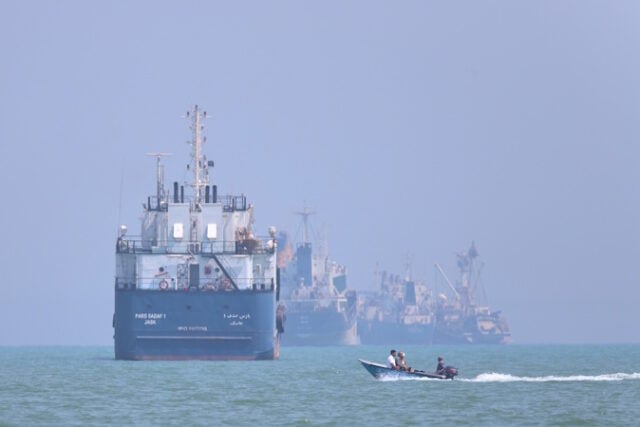
The most urgent result involves global shipping lanes. Trump announced that the Strait of Hormuz will reopen immediately. This move could end a massive global energy crisis. The crisis has hurt economies worldwide for months.

Trump also praised his own administration’s diplomatic strategy. He compared his efforts to past American leaders. He claimed his relationship with Iran is much better now. He directly criticized the policies of former President Barack Obama.
Trump called the old nuclear deal a failure. In contrast, he described his new agreement as a solid wall. He asserted that Iran no longer wants an atomic bomb. He stated they will never get one now.
The president also mentioned the financial terms. He insisted that no money will exchange hands between nations. Trump wants to show he secured a strong deal.
He shared specific details about Iran’s nuclear material. He called the radioactive material “Nuclear Dust” in his post. He explained a plan to destroy it safely. This process would happen once the regional situation cools down.
Trump suggested using American B-2 bombers. Experienced pilots would fly in to retrieve the material. The material is hidden deep under powerful mountains. It would then be completely destroyed.
The destruction could happen in Iran or America. Trump expressed great hope for a smooth process. However, he also issued a stern warning to Tehran. He noted that the United States has an ultimate alternative.
He hopes this alternative will never be used. The warning shows that tensions remain high. A senior administration official also spoke to reporters. The official called the deal very strong.
However, the official declined to confirm the exact signing time. The White House is keeping details quiet. Reports suggest the signing will happen virtually. This method avoids complex travel logistics for both sides.
What Is in the Draft Agreement?
The details of the draft agreement are complex. Several sources have leaked parts of the text. The deal aims to extend an existing ceasefire. This ceasefire was originally established on April 8.
The new pact would extend the truce by 60 days. The primary goal is to reopen vital pathways. Iran has blocked the narrow waterway for over 100 days. This blockade began after intense regional military clashes.
Under the new terms, Iran would clear maritime mines. This cleanup process would take about 30 days. During the truce, Iran will not charge shipping tolls. This detail is a major point of negotiation.
In exchange, the United States will alter its stance. The U.S. will lift its tough naval blockade. This blockade has choked off Iranian ports for weeks. Lifting it would provide immediate economic relief.
The nuclear issue is the core of talks. Iran must reaffirm its commitment against nuclear weapons. They must promise not to develop atomic arms. The deal sets up a framework for future talks.
These talks will address Iran’s uranium stockpile. Iran currently holds more than 9,000 kilograms of enriched uranium. Most of this material is low-grade quality. However, a significant portion is near weapons-grade.
About 440 kilograms of the stockpile is highly enriched. This fact has deeply worried Western officials. The minimum commitment requires on-site dilution of this material. The process will happen under strict supervision.
The International Atomic Energy Agency will oversee the work. This agency ensures compliance with global standards. The draft also outlines phased sanctions relief. Iran will not get immediate rewards.
Sanctions relief depends strictly on nuclear talk progress. These negotiations will begin right after the signing. The phased structure protects American diplomatic leverage. It ensures Iran follows through on promises.
However, conflicting reports about the text have emerged. Iranian media published a different version of the draft. The Mehr news agency claimed the deal ends all conflict. This would include fighting in Lebanon.
The Iranian report also claimed a massive financial reward. It stated the U.S. would release 24 billion dollars. This money consists of frozen Iranian assets held abroad. The report also mentioned potential war reparations.
Trump quickly denied these specific claims on Friday. He stated the Iranian reports are not true. He insisted that no frozen funds are being released yet. The disagreement highlights deep mistrust.
The Path to the Crisis
Understanding this potential deal requires looking back. The conflict escalated dramatically earlier this year. On February 28, the landscape changed completely. The United States and Israel launched coordinated airstrikes.
These joint military strikes targeted installations inside Iran. Western intelligence units claimed Iran was nearing a breakout. They cited an immediate need to neutralize atomic capabilities. The bombardment damaged several underground facilities.
Iran reacted with swift military maneuvers. The regime deployed defensive forces to the Persian Gulf. They systematically laid hundreds of advanced underwater mines. These mines blocked the shipping channels completely.
Iran also targeted American assets in nearby countries. They fired salvos of drones and ballistic missiles. These attacks struck military outposts in Jordan. Additional missiles targeted facilities in Kuwait and Bahrain.
The strikes caused significant concern among Arab neighbors. Many Gulf nations feared a total collapse of stability. Oil infrastructure faced imminent threats. The Middle East seemed on the brink of war.
Diplomatic channels scrambled to prevent a catastrophe. Pakistan and Qatar stepped up to offer emergency mediation. They managed to negotiate a fragile truce on April 8. This initial ceasefire halted active missile exchanges.
However, the truce did not solve economic issues. The naval blockade remained in place for months. International shipping companies refused to enter the dangerous waters. Energy prices continued to climb steadily.
Minor military skirmishes continued to threaten the peace. Just this Saturday morning, fresh clashes occurred. The United States military intercepted several Iranian drones. These drones were heading toward commercial shipping lanes.
Trump reacted to the incident with public fury. He labeled the drone deployments as unacceptable online. Yet, the secret diplomatic talks managed to survive. The mediators successfully kept both sides focused.
Disagreements Over the Exact Timing
While Trump expressed optimism, Tehran was much colder. Iranian officials quickly downplayed the Sunday timeline. They signaled that an agreement is not quite ready. The timing remains a major point of confusion.
Iranian foreign ministry spokesperson Esmaeil Baghaei issued a statement. He counseled caution regarding the public announcements. He stated the exact signing date is undetermined. He explicitly denied a Sunday signing event.
Baghaei clarified that nothing will be signed tomorrow. However, he did not rule out a future agreement. He noted a signing could happen soon. He blamed the other side’s hesitation for delays.
The spokesperson revealed that the negotiating team is stationary. They have no current plans to travel to Geneva. This contradicts reports of an imminent in-person meeting. It suggests more internal debate is happening.
To reach a final outcome, Iran needs internal consensus. The decision-making authorities must all agree on terms. Multiple powerful institutions are involved in this process. Hardline factions are pushing back against the text.
This internal tension makes rapid decisions difficult. Iranian diplomats cannot act without supreme leadership approval. The mixed messages show a clear gap in expectations. Trump wants an immediate public victory.
The American president is heading to a major summit. He will attend the G7 meeting in France next week. The Middle East conflict will dominate the agenda there. A signed peace agreement would strengthen his position.
The mediator nations are working hard to bridge gaps. Pakistan’s Prime Minister Shehbaz Sharif remains hopeful. He announced that a deal is closer than ever. He expects a finalization within twenty-four hours.
Sharif stated that Pakistan is ready for an electronic signing. This digital method would allow a fast conclusion. It removes the need for immediate travel. Technical level talks would then begin next week.
Qatar is also assisting with mediation efforts. Both nations have spent weeks hosting quiet sessions. They want to avoid a collapse of the truce. They are pushing both sides to sign quickly.
Protests Inside Iran
The proposed peace deal faces fierce domestic opposition in Iran. Hardline political figures are expressing deep anger online. They believe the current terms surrender too much leverage. They accuse negotiators of making massive concessions.
Public protests erupted on Saturday in northeastern Iran. Dozens of angry demonstrators gathered in the city of Mashhad. They gathered right outside a foreign ministry office. The crowd consisted of both men and women.
Many women wore traditional black chadors during the rally. They waved symbolic red and black flags. The protestors chanted aggressive slogans against the diplomacy. They specifically targeted Foreign Minister Abbas Araghchi.
They called Araghchi an infiltrator during the chants. The semi-official Fars news agency shared videos of this event. The footage showed a highly tense scene. These protests reveal deep divisions within Iranian society.
The public anger follows a recent television interview by Araghchi. On Friday, the foreign minister discussed negotiations openly. He defended the draft agreement on state television. He argued that Iran emerged stronger from the conflict.
Araghchi claimed Iran was the winner of the war. He tried to reassure a skeptical domestic audience. However, his comments failed to calm hardline factions. They view any deal with Trump as a betrayal.
They argue that giving up the strait is foolish. The blockade is Iran’s most powerful economic weapon. Giving it up without total sanctions relief seems unacceptable. They fear the U.S. will default on promises.
The supreme leadership must balance these competing forces. They need economic relief to stop rising public discontent. The war has damaged infrastructure and halted exports. Everyday citizens face severe financial hardships.
Yet, the regime cannot appear weak to its supporters. Giving in to American demands could trigger more protests. Hardliners might withdraw their crucial political support. This creates a dangerous balancing act for Tehran.
Deep Concerns From Israel
The United States is not the only country with a stake. Israel is watching developments with deep anxiety. Israeli officials are concerned about the emerging terms. They believe the deal endangers their national security.
Prime Minister Benjamin Netanyahu played no role in these talks. The negotiations were handled primarily by the U.S. and mediators. This exclusion has frustrated the leadership in Jerusalem. They feel vital interests are being ignored.
Israeli officials warn that the deal is fundamentally flawed. They argue it fails to address long-term threats. The temporary sixty-day timeline seems far too short. They worry Iran will use the time to rebuild.
The deal does not dismantle Iran’s missile infrastructure. It also fails to stop funding for proxy groups. Israel is currently engaged in a tough offensive in Lebanon. They are fighting against Hezbollah forces near their border.
A deal that leaves Hezbollah intact is seen as dangerous. Netanyahu plans to address this crisis with his team. He will convene his security cabinet on Sunday evening. They will dissect the leaked Memorandum of Understanding.
The cabinet will discuss potential Israeli responses to the pact. Israel has previously launched independent strikes. They reserve the right to defend themselves without approval. This creates another layer of regional unpredictability.
Some Israeli analysts fear a rift with Washington. Trump has been a historic ally of the Israeli government. However, his focus now seems shifted toward ending the war. He wants to secure global trade.
This shift creates a clear tactical disagreement between allies. Washington views the deal as a diplomatic victory. Jerusalem views it as a dangerous compromise. The security cabinet meeting will reveal Israel’s stance.
Netanyahu faces immense domestic pressure to stay strong. His supporters expect total victory over the Iranian threat. A soft diplomatic resolution could hurt his political standing. He must decide whether to oppose Trump’s deal.
The coming hours will determine which path we take. The world is watching to see if peace will prevail.
Sources and Links:
- CBS News: Live Updates: U.S.-Iran peace deal to be signed Sunday, Trump says
[https://www.cbsnews.com/live-updates/iran-war-us-trump-peace-deal-agreement/](https://www.cbsnews.com/live-updates/iran-war-us-trump-peace-deal-agreement/) - Financial Times: Trump says US and Iran will sign deal on Sunday to reopen Strait
[https://www.ft.com/content/726f4afe-c3ff-4ec0-bfc9-b572b419e11f?syn-25a6b1a6=1](https://www.ft.com/content/726f4afe-c3ff-4ec0-bfc9-b572b419e11f?syn-25a6b1a6=1) - Anadolu Ajansı: Trump says deal with Iran to be signed on Sunday
[https://www.aa.com.tr/en/us-israel-iran-war/trump-says-deal-with-iran-to-be-signed-on-sunday/3966243](https://www.aa.com.tr/en/us-israel-iran-war/trump-says-deal-with-iran-to-be-signed-on-sunday/3966243) - The Guardian: Trump says Iran peace deal could be signed by Sunday, with strait of Hormuz to open shortly after
[https://www.theguardian.com/world/2026/jun/13/preliminary-peace-deal-could-be-signed-within-days-says-us-iran-and-mediators](https://www.theguardian.com/world/2026/jun/13/preliminary-peace-deal-could-be-signed-within-days-says-us-iran-and-mediators) - The Guardian (Summary): Trump news at a glance: president claims Iran ‘no longer want a nuclear weapon’ amid peace deal hopes
[https://www.theguardian.com/us-news/2026/jun/14/trump-news-at-a-glance-president-claims-iran-no-longer-want-a-nuclear-weapon-amid-peace-deal-hopes](https://www.theguardian.com/us-news/2026/jun/14/trump-news-at-a-glance-president-claims-iran-no-longer-want-a-nuclear-weapon-amid-peace-deal-hopes) - Fox News: Trump says US-Iran deal will be signed on Sunday, with Strait of Hormuz to reopen
[https://www.foxnews.com/live-news/iran-war-news-us-trump-strait-hormuz-oil-price-peace-deal-june-13](https://www.foxnews.com/live-news/iran-war-news-us-trump-strait-hormuz-oil-price-peace-deal-june-13) - Ynetnews: Trump: Iran deal to be signed Sunday, Hormuz to reopen, nuclear material to be destroyed
[https://www.ynetnews.com/article/s100r5bobmg](https://www.ynetnews.com/article/s100r5bobmg) - CBC News: Trump says peace deal with Iran will be signed Sunday, but Tehran yet to confirm timing
[https://www.cbc.ca/news/world/pakistan-us-iran-deal-close-9.7234496](https://www.cbc.ca/news/world/pakistan-us-iran-deal-close-9.7234496) - The Times of Israel: Trump says US-Iran deal to be signed Sunday, contradicting Tehran, which doesn’t react
[https://www.timesofisrael.com/trump-claims-us-iran-deal-to-be-signed-sunday-no-confirmation-from-tehran/](https://www.timesofisrael.com/trump-claims-us-iran-deal-to-be-signed-sunday-no-confirmation-from-tehran/) - PBS News: What to know about a possible U.S.-Iran deal to end the war
[https://www.pbs.org/newshour/world/what-to-know-about-a-possible-u-s-iran-deal-to-end-the-war](https://www.pbs.org/newshour/world/what-to-know-about-a-possible-u-s-iran-deal-to-end-the-war)
Disclaimer
Artificial Intelligence Disclosure & Legal Disclaimer
AI Content Policy.
To provide our readers with timely and comprehensive coverage, South Florida Reporter uses artificial intelligence (AI) to assist in producing certain articles and visual content.
Articles: AI may be used to assist in research, structural drafting, or data analysis. All AI-assisted text is reviewed and edited by our team to ensure accuracy and adherence to our editorial standards.
Images: Any imagery generated or significantly altered by AI is clearly marked with a disclaimer or watermark to distinguish it from traditional photography or editorial illustrations.
General Disclaimer
The information contained in South Florida Reporter is for general information purposes only.
South Florida Reporter assumes no responsibility for errors or omissions in the contents of the Service. In no event shall South Florida Reporter be liable for any special, direct, indirect, consequential, or incidental damages or any damages whatsoever, whether in an action of contract, negligence or other tort, arising out of or in connection with the use of the Service or the contents of the Service.
The Company reserves the right to make additions, deletions, or modifications to the contents of the Service at any time without prior notice. The Company does not warrant that the Service is free of viruses or other harmful components.