By TOM MARQUARDT and PATRICK DARR
Nothing says summer like rosé. Though this pink elixir is now enjoyed year-round, it still conjures up warm afternoons on a deck or a boat. Its playful color and crisp acidity balanced with red- fruit notes make it the perfect partner for a charcuterie board, fresh vegetables or grilled fish.
In southern France—Provence chief among them—many producers focus almost exclusively on rosé, whereas in California it often feels like an afterthought. As a result, French rosés, built on grenache, syrah, mourvèdre and cinsault, have set the global benchmark. Elsewhere—in the United States, Spain, Italy and beyond—rosés are frequently made from pinot noir, cabernet franc or indigenous grape varieties.
 The differences don’t stop at grape varieties; winemaking techniques vary by region, too. French vintners typically employ a direct-press method: grapes are gently pressed after harvest and given minimal skin contact. Some extend that contact under cool conditions before draining off the juice, which then ferments in chilled stainless-steel tanks for one to three weeks.

American producers often use the saignée approach. While crafting a red wine—say, pinot noir—they “bleed” off pale juice early on. That pink juice ferments separately, yielding a darker, higher-alcohol, more extracted rosé, while the remaining red wine becomes richer and more concentrated.
We tasted three styles in Ehlers Estate’s “Research & Discovery” program, where winemaker Adam Casto made cabernet franc rosé as a colorless blanc de noir (no skin contact, higher acidity), a softly tinted direct-press (aromatic and fresh), and a saignée (bled from the must destined for red wine). Beyond their obvious color differences, the darker wines carried bolder fruit flavors. We admired the direct-press version for its restraint, while the saignée rosé showed firmer tannins and a pronounced varietal character.
No matter which style you choose, rosé delivers lively, crowd-pleasing flavors. With its rising popularity, many producers now craft more concentrated—and pricier—versions, pushing bottles that once cost $15–20 well above that range. Don’t let high prices scare you off: affordable rosés are still out there waiting to brighten your next gathering.
We will be reviewing rosés all summer. Meanwhile, here are a few to get your summer started:
Pricey rosés
Clif Family X Reyna Noriega Rosé of Cabernet Franc 2025 ($36). The beautiful label for this bottle is inspired by Miami visual artist Reyna Noriega, whose creations are intended to give hope and joy to women of color. Taking grapes from the estate’s Valle Di Sotto vineyard in the Oak Knoll District, the producer has a showcase wine with strawberry and peach notes.
Tablas Creek Vineyard Dianthus 2025 ($40). Mourvedre takes the lead in this version, and the flavor profile reveals the darker side of rosé. Watermelon and herbal aromas give way to lush, sweet cherry and strawberry flavors. Blended with grenache, counoise and cinsault. It’s a sturdy rosé read for salmon, poultry and other grilled foods.
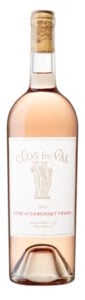
Clos du Val Rosé of Cabernet Franc California 2025 ($50). There is nothing subtle about this expressive rosé, which is classic of the grape variety in this form. Effusive strawberry notes, good acidity with bracing fruit character.
Bouchaine Vin Gris of Pinot Noir Napa Valley Rosé 2024 ($36). Eighty-five percent of the grapes are whole-cluster pressed and the other 15 percent is saignee. Fresh, vibrant with watermelon, melon and nectarine notes. Beautiful wine.
Terra Valentine Rosé of Petit Sirah 2024 ($35). This unique petit sirah rosé from the Spring Mountain district is from whole-cluster pressed grapes that were cold soaked for three days and aged sur lees for 12 months in French oak. The result of such attention is generous aromas of strawberries and raspberries with a dash of citrus. Stone fruit and red fruit flavors with good acidity. Love it.
Not so pricey
Scaia Rosato Veneto IGT 2025 ($15). Made entirely from rondinella grapes common to Valpolicella blends, this rosé has bright red berry grapes and floral aromas. Great price.
The Pale Rosé by Sacha Lichine 2024 ($15). Sacha Lichine does it again with this tasty Provencal blend of grenache, cinsault, syrah and rolle. Stone fruit and pink grapefruit flavors with a relatively low-alcohol content.
M. Chapoutier Belleruche Rosés Cotes du Rhone 2024 ($14). Citrus aromas with fresh red berry flavors and balanced acidity. One of the most reliable rosés on the market today.
Domaine St. Laurent Rosé of Pinot Noir Rogue Valley 2025 ($20). This Oregon rosé made from pinot noir has stone fruit and strawberry notes with a dash of citrus.
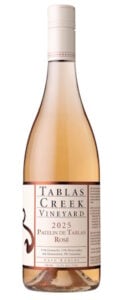
Tablas Creek Vineyard Patelin de Tablas Rosé 2025 ($28). Wow, what a tasty rosé from Paso Robles. It is a blend of grenache (71 percent), mourvedre, vermentino and counoise—ideal grapes for rosé. Grapefruit and nectarine aromas give way to juicy, forward strawberry and watermelon flavors.
Gerard Bertrand Cote des Rosés 2024 ($18). Rosé petal aromas, watermelon and cassis flavors with a pop of pink grapefruit.
Alma de Cattleya Rosé of Pinot Noir 2025 ($25). We loved the vibrancy of this lively rosé from Sonoma County. Watermelon and strawberry notes with a dash of citrus and balanced acidity.
Tongue Dancer Rosé of Pinot Noir 2025 ($25). Raspberry and stone fruit aromas with strawberry, tangerine flavors accented by orange zest.
Famille Perrin Cotes du Rhone Reserve 2025 ($16). This reliable Rhone Valley rosé starts with cinsault and then adds supporting grapes grenache, syrah and mourvedre. Nectarine, citrus and red fruit notes. Good acidity makes this a great wine to pair with summer fare.
Biltmore Reserve North Carolina Rosé 2024 ($25). This unusual blend of cabernet franc, cabernet sauvignon and other grape varieties has subtle sweetness with strawberry, white peach and citrus notes.
Miguel Torres Chile Andica Rose 2025 ($15). This blend of pinot noir and monastrell has a lively bouquet and red fruit notes. Full body.
La Vieille Ferme Rose 2025 ($12). Blended with cinsault, grenache and syrah, this French rose has fresh and juicy red fruit notes complemented by white peach flavors.
Wine picks
Taboadella Village Dao 2020 ($17). A delightful blend of four traditional red grapes from Dao, Portugal. Tinta roriz, Jaen, alfrochairo and tinto pinheira. Deep berry and cherry notes with a hint of cranberry and light oak notes.
The Paring Red Blend 2021 ($25). The depth and body of this blend far exceed its price. All of the wines from this producer enter that elusive “good value” territory. The blend is cabernet sauvignon (60 percent), cabernet franc, merlot and petit verdot. Generous blackberry, mocha and anise aromas are followed by vibrant strawberry and black plum flavors. Juicy but balanced with bright acidity and fine tannins.
Disclaimer
Artificial Intelligence Disclosure & Legal Disclaimer
AI Content Policy.
To provide our readers with timely and comprehensive coverage, South Florida Reporter uses artificial intelligence (AI) to assist in producing certain articles and visual content.
Articles: AI may be used to assist in research, structural drafting, or data analysis. All AI-assisted text is reviewed and edited by our team to ensure accuracy and adherence to our editorial standards.
Images: Any imagery generated or significantly altered by AI is clearly marked with a disclaimer or watermark to distinguish it from traditional photography or editorial illustrations.
General Disclaimer
The information contained in South Florida Reporter is for general information purposes only.
South Florida Reporter assumes no responsibility for errors or omissions in the contents of the Service. In no event shall South Florida Reporter be liable for any special, direct, indirect, consequential, or incidental damages or any damages whatsoever, whether in an action of contract, negligence or other tort, arising out of or in connection with the use of the Service or the contents of the Service.
The Company reserves the right to make additions, deletions, or modifications to the contents of the Service at any time without prior notice. The Company does not warrant that the Service is free of viruses or other harmful components.