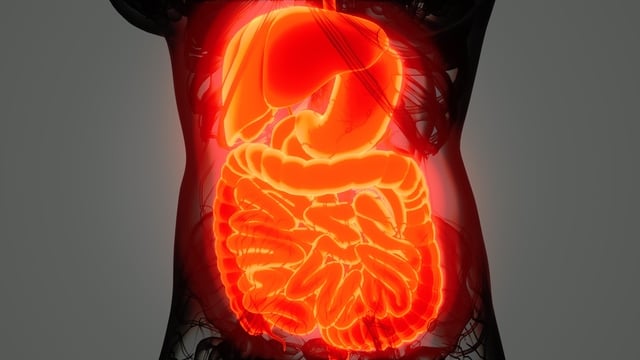
The human digestive system is an incredibly complex network, often referred to as the “second brain.” When it functions correctly, we barely notice it; however, when inflammation or chronic issues arise, it can impact every aspect of our lives, from energy levels to mental clarity. In the search for more effective treatments, peptide therapy has emerged as a groundbreaking field of study. These small chains of amino acids act as signaling molecules that can tell the body to repair tissue, reduce swelling, and restore the delicate balance of the microbiome.
Peptide Therapy in Gastroenterology: Current Landscape
Gastroenterology has traditionally relied on lifestyle changes, antacids, and immunosuppressants to manage chronic conditions. While these are effective for many, they often address the symptoms rather than the underlying structural damage to the gut lining. This is where peptide therapy is changing the conversation. By utilizing sequences that the body already recognizes, researchers are finding ways to accelerate the natural healing processes of the stomach and intestines.
The current landscape focuses heavily on “barrier function.” The gut lining is a single layer of cells that must stay tightly packed to prevent toxins from leaking into the bloodstream. When these “tight junctions” fail, we experience systemic inflammation. Modern research into peptides for gut health aims to reinforce these junctions and promote the growth of healthy new cells.
- Targeted Signaling: Unlike broad-spectrum medications, peptides can target specific receptors in the gut to trigger localized healing without affecting the rest of the body.
- Minimal Side Effects: Because the body naturally produces peptides, bioidentical versions used in therapy are generally well-tolerated.
- Regenerative Potential: Some peptides are specifically studied for their ability to promote angiogenesis (the formation of new blood vessels), which is vital for repairing damaged tissue.
- Microbiome Support: Emerging evidence suggests that certain peptides may help create a more hospitable environment for beneficial bacteria to thrive.
- Anti-Inflammatory Action: By modulating the immune response within the digestive tract, these molecules can help quiet the chronic “alarm” of inflammation.
- Rapid Absorption: Because of their small size, peptides can often be absorbed more efficiently than large, complex proteins found in traditional supplements.
Peptides for Stomach Issues: Potential Applications and Research
Chronic indigestion, gastric ulcers, and acid reflux are more than just minor inconveniences; they are signs that the stomach lining is under constant stress. Ongoing research into peptides for stomach issues suggests that these molecules can help shield the gastric mucosa from the corrosive effects of stomach acid and bile. This protective layer is the first line of defense against painful ulcers and long-term tissue damage.

Scientists are particularly interested in how a specific peptide for stomach repair can influence the production of protective mucus. This mucus acts as a biological “shield.” When this shield is thin, the stomach is vulnerable. By supporting the body’s mucosal barrier, peptides may offer a long-term solution for those who have struggled with recurring digestive distress.
- Ulcer Healing: Research indicates that certain peptides can speed up the closure of gastric lesions by stimulating cell migration to the site of the injury.
- Acid Regulation: While not traditional antacids, some peptides may help the stomach regulate its pH levels more naturally by improving the health of acid-producing cells.
- Bile Protection: For individuals with bile reflux, specific peptides can help strengthen the stomach lining to resist alkaline irritation.
- Gastric Motility: Some peptides for stomach issues are being studied for their ability to improve the “rhythm” of digestion, helping food move through the system more efficiently.
- Post-Surgery Recovery: For those undergoing gastric procedures, peptide therapy is often considered to minimize scar tissue and speed tissue healing.
For researchers seeking high-quality materials to explore these mechanisms further, the IRON Peptides store provides a reliable source of high-purity sequences that meet rigorous laboratory standards.
Choosing the Right Peptide for Stomach Healing and Repair
Selecting the appropriate peptide for stomach health depends heavily on the specific nature of the issue. Not all peptides serve the same function; some are designed for systemic recovery, while others are highly localized. For example, if the goal is to repair the stomach lining, a sequence that promotes cell proliferation is essential. If the issue is primarily autoimmune-related inflammation, a different signaling sequence might be required.
Understanding the “bioavailability” of a peptide for stomach use is also key. Some peptides are fragile and can be broken down by stomach acid before they have a chance to work. This is why researchers often look for “stable” versions that can survive the harsh environment of the digestive tract long enough to reach the damaged areas.
- Purity Levels: High-purity peptides (98% or higher) are necessary to ensure the body receives the correct signals without interference from manufacturing byproducts.
- Sequence Stability: Choosing peptides that are resistant to gastric enzymes ensures that the therapy remains active where it is needed most.
- Delivery Methods: Depending on the research goals, peptides can be administered via different routes to target either the upper stomach or the lower intestines.
- Synergistic Effects: Many researchers find that combining different peptides for gut health can create a more comprehensive healing effect than using a single molecule.
- Standardized Testing: Always look for peptides that have been third-party tested to verify their identity and concentration.
BPC 157 for Gut Inflammation: Mechanisms and Emerging Evidence
No discussion about digestive recovery is complete without mentioning BPC 157. Originally discovered in human gastric juice, BPC 157 for gut inflammation has become one of the most widely studied sequences in regenerative medicine. Its name stands for “Body Protection Compound,” and research suggests it lives up to its name by acting as a powerful healing catalyst in the digestive tract.
The primary mechanism of BPC 157 for gut inflammation involves a process called “cytoprotection.” This means it helps cells survive and thrive even under stressful conditions. It has been shown in various studies to promote the healing of the “leaky gut” by tightening the cellular bonds in the intestinal wall, effectively keeping waste products where they belong and allowing nutrients to pass through safely.
- Angiogenesis Promotion: BPC 157 helps promote the growth of new blood vessels, ensuring that damaged gut tissue receives the oxygen and nutrients it needs to rebuild.
- Nitric Oxide Modulation: By regulating nitric oxide levels, this peptide can help control blood flow and inflammatory responses in the stomach and intestines.
- Protection Against NSAID Damage: Research shows that BPC 157 for gut inflammation can counteract the damage caused by frequent use of common painkillers like ibuprofen.
- Fistula and Lesion Repair: In laboratory settings, BPC 157 has shown a remarkable ability to heal deep tissue damage, including fistulas and internal sores.
- Balanced Immune Response: It helps prevent the immune system from overreacting, which is the primary cause of chronic inflammatory bowel conditions.
What to Know Before Exploring Peptides for Digestive Health
While the science behind peptides for gut health is incredibly promising, it is still a developing field. Anyone interested in this therapy needs to understand that peptides are precision tools. They are most effective when used as part of a holistic approach that includes proper nutrition, stress management, and professional medical guidance.
Before starting any form of peptide therapy, one must ensure that they source their materials from reputable suppliers. The quality of the peptide determines the quality of the result. Furthermore, understanding the dosage and the specific “healing cycle” of the gut is necessary to set realistic expectations for recovery.
- Consultation is Key: Always discuss new therapies with a healthcare professional who understands the specific mechanisms of peptide signaling.
- Dietary Integration: Peptides work best when the body has the nutritional building blocks (like protein and healthy fats) actually to perform the repairs.
- Patience in Healing: Tissue repair takes time. While some inflammatory symptoms may decrease quickly, structural healing of the gut lining can take weeks or months.
- Avoid Subpar Sources: The market is full of low-quality imitations; always verify the source of your peptides for stomach issues to ensure safety.
- Monitoring Progress: Keep a detailed log of digestive symptoms to track how the body responds to the therapy over time.
The evolution of peptide therapy represents a significant leap forward for those suffering from chronic digestive issues. By moving beyond symptom management and focusing on the cellular repair of the gut lining, peptides for gut health offer a path toward true restoration. Whether it is using BPC 157 to treat gut inflammation and heal “leaky gut” or applying a specific peptide for stomach ulcers, the precision of these molecules is undeniable. As research continues to expand, the dream of a healthy, inflammation-free digestive system is becoming a reality for more people every day.
Disclaimer
Artificial Intelligence Disclosure & Legal Disclaimer
AI Content Policy.
To provide our readers with timely and comprehensive coverage, South Florida Reporter uses artificial intelligence (AI) to assist in producing certain articles and visual content.
Articles: AI may be used to assist in research, structural drafting, or data analysis. All AI-assisted text is reviewed and edited by our team to ensure accuracy and adherence to our editorial standards.
Images: Any imagery generated or significantly altered by AI is clearly marked with a disclaimer or watermark to distinguish it from traditional photography or editorial illustrations.
General Disclaimer
The information contained in South Florida Reporter is for general information purposes only.
South Florida Reporter assumes no responsibility for errors or omissions in the contents of the Service. In no event shall South Florida Reporter be liable for any special, direct, indirect, consequential, or incidental damages or any damages whatsoever, whether in an action of contract, negligence or other tort, arising out of or in connection with the use of the Service or the contents of the Service.
The Company reserves the right to make additions, deletions, or modifications to the contents of the Service at any time without prior notice. The Company does not warrant that the Service is free of viruses or other harmful components.