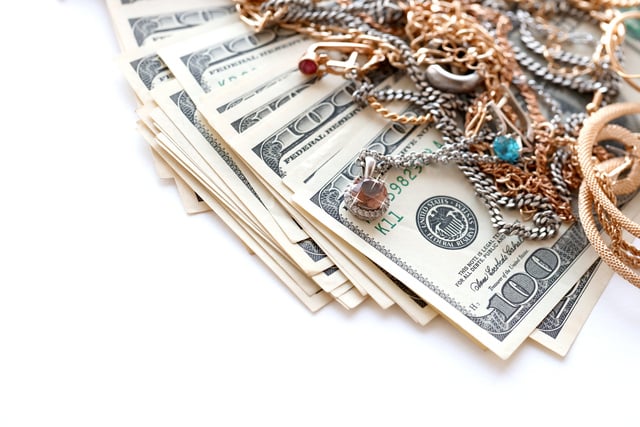
Luxury accessories are more than everyday objects. A well-made handbag, a vintage watch, or a piece of handcrafted jewelry represents both an investment and a personal statement. Whether these items are inherited, newly purchased, or sourced from a trusted curator like HoneyBee Luxury, they deserve thoughtful care to keep them looking their best for years to come. Proper preservation protects both the beauty and the value of these pieces, ensuring they remain wearable and meaningful across generations.
The good news is that maintaining luxury accessories does not require expensive tools or complicated routines. It requires consistency, attention, and an understanding of what each material needs. Below is a practical guide to keeping treasured pieces in excellent condition.
Understand the Materials First
Before applying any cleaning method or storage solution, it helps to know what an item is made of. Leather, suede, silk, gold, silver, gemstones, and costume metals all respond differently to moisture, heat, and friction. A cleaning product that works beautifully on smooth leather can damage suede beyond repair. A polish suited for sterling silver may harm a plated finish.
Anyone shopping for luxury vintage accessories should take time to learn the composition of each purchase. Reputable sellers provide accurate descriptions of materials and condition, which makes ongoing care much easier. When a buyer knows exactly what they own, they can tailor their maintenance routine to protect it properly.

Store Items the Right Way
Storage is one of the most overlooked aspects of accessory care, yet it makes an enormous difference. Handbags should be stuffed lightly with tissue paper or a soft insert to help them hold their shape. They benefit from being kept in dust bags rather than plastic, which can trap moisture and encourage mildew.
Jewelry needs its own thoughtful approach. Pieces stored loosely together can scratch one another, and chains can tangle into knots that are difficult to undo. Soft-lined boxes with separate compartments help prevent this. Those interested in handcrafted jewelry should be especially careful, since unique settings and delicate details can be more vulnerable to damage than mass-produced pieces.
Temperature and humidity also matter. Extreme heat can dry out leather and cause it to crack, while excess moisture invites mold and tarnish. A cool, dry, dark space is ideal for most items. Direct sunlight fades dyes and weakens fabrics over time, so display cases near windows are best avoided for anything valuable.
Clean Gently and Regularly
Regular light cleaning prevents the buildup of dirt and oils that can degrade materials over time. For leather goods, a soft dry cloth used weekly removes surface dust before it settles into seams and creases. Occasional conditioning with a product made specifically for leather keeps the surface supple and resistant to cracking.
Jewelry cleaning depends heavily on the metal and stones involved. Gold and platinum can often be cleaned with warm water, a drop of mild soap, and a soft brush. Silver responds well to specialized polishing cloths that lift tarnish without scratching. However, porous stones such as pearls, opals, and turquoise require extra caution, since they can absorb liquids and chemicals that dull their appearance. Buyers exploring pre-owned luxury items should ask sellers about the safest cleaning methods for each specific piece.
One rule applies almost universally: gentle is better than aggressive. Harsh scrubbing, strong household cleaners, and abrasive materials cause more harm than good. When in doubt, less is safer.
Handle With Clean Hands and Care
The way an accessory is handled day to day affects its lifespan. Natural oils, lotions, perfumes, and cosmetics can transfer onto surfaces and cause discoloration or residue buildup. A useful habit is to put jewelry on last, after applying makeup and fragrance, and to remove it first at the end of the day.
Handbags and watches also benefit from mindful handling. Setting a bag down on clean, dry surfaces and avoiding overstuffing helps preserve its structure. Removing a watch before swimming, showering, or exercising protects it from moisture and impact. Small, consistent habits like these do far more to protect an item than any single deep cleaning session ever could.
Address Repairs Promptly
Even the most carefully maintained accessories occasionally need repair. A loose clasp, a worn strap, or a stone that has shifted in its setting should be addressed quickly rather than left to worsen. Small issues tend to grow into larger, costlier problems when ignored.
Professional repair specialists who work with fine materials are worth seeking out. A skilled jeweler or leather craftsperson can restore an item without compromising its integrity. Those who value authentic designer pieces understand that quality repairs preserve both function and worth. Attempting a difficult fix at home often causes additional damage, so professional help is usually the wiser choice for anything valuable or sentimental.
Preserve Authenticity and Provenance
For collectors and enthusiasts, documentation is part of preservation. Original receipts, authenticity cards, dust bags, and boxes all contribute to an item’s story and its resale value. Keeping these materials organized and safe protects the provenance that makes a piece special.
This is one reason many buyers turn to trusted curators when building a collection. A source like HoneyBee Luxury emphasizes genuine, verified goods, which gives owners confidence in what they possess. Maintaining that documentation over time ensures the piece can be passed on or resold with its history intact. In the world of timeless designer objects, provenance is nearly as important as condition.
Rotate and Rest Your Pieces
Wearing the same accessory every single day accelerates wear, no matter how well it is cared for. Rotating between several items gives each one time to rest, which is particularly beneficial for leather goods that need to recover their shape and for jewelry that endures daily friction.
Rotation also allows an owner to enjoy the full range of their collection rather than relying on a single favorite. This practice extends the life of every piece while keeping a wardrobe feeling fresh and varied.
Build a Simple, Sustainable Routine
The most effective care strategy is one that fits comfortably into daily life. A brief inspection when putting items away, a light cleaning on a regular schedule, and proper storage every night add up to significant long-term protection. Preservation does not have to be time-consuming to be effective.
This considered approach also aligns with the growing interest in sustainability. Caring for what one already owns reduces waste and supports a more thoughtful relationship with fashion. Choosing quality pre-owned luxury goods and maintaining them properly is both an economical and an environmentally conscious decision.
A Lasting Investment
Luxury accessories reward the care given to them. With attention to materials, sensible storage, gentle cleaning, and prompt repairs, these pieces can retain their beauty and value indefinitely. Whether someone is preserving a family heirloom or protecting a recent find, the principles remain the same.
Ultimately, the goal is to enjoy these items fully while keeping them in the best possible condition. A collection maintained with care becomes a source of lasting pleasure, and each well-preserved piece continues to tell its story for years to come.
Disclaimer
Artificial Intelligence Disclosure & Legal Disclaimer
AI Content Policy.
To provide our readers with timely and comprehensive coverage, South Florida Reporter uses artificial intelligence (AI) to assist in producing certain articles and visual content.
Articles: AI may be used to assist in research, structural drafting, or data analysis. All AI-assisted text is reviewed and edited by our team to ensure accuracy and adherence to our editorial standards.
Images: Any imagery generated or significantly altered by AI is clearly marked with a disclaimer or watermark to distinguish it from traditional photography or editorial illustrations.
General Disclaimer
The information contained in South Florida Reporter is for general information purposes only.
South Florida Reporter assumes no responsibility for errors or omissions in the contents of the Service. In no event shall South Florida Reporter be liable for any special, direct, indirect, consequential, or incidental damages or any damages whatsoever, whether in an action of contract, negligence or other tort, arising out of or in connection with the use of the Service or the contents of the Service.
The Company reserves the right to make additions, deletions, or modifications to the contents of the Service at any time without prior notice. The Company does not warrant that the Service is free of viruses or other harmful components.