A travertine floor looks warm until the first red wine spill soaks into its open pores. The right sealer keeps that beauty intact, while the wrong one can cause problems. A homeowner standing in the hardware store aisle with travertine at home is better served by TSS Pro Sealer Products. Travertine is a porous stone full of natural voids, so it absorbs liquids quickly. The right pick depends on where the slab sits and how much shine the owner wants. Here are the main factors to weigh before you buy anything for your project.
Why Travertine Needs Sealing
Travertine forms from mineral deposits, which leaves tiny holes and channels throughout the stone. Once water slips down one of the channels, no sponge or soap ever reaches it again. Travertine is also made of calcium carbonate, so acidic liquids can etch the surface. Kitchen travertine and pool deck travertine face different risks. Sealers sold as porous stone products are formulated around those differences. A good sealer slows absorption, which gives you more time to wipe up spills. It will not make stone stainproof, but it greatly reduces the risk of damage.
Penetrating or Topical Sealers

Penetrating sealers soak into the pores and protect from within without changing the surface. They suit travertine that needs a natural, breathable look and strong stain resistance. Topical sealers form a film on top, which can enhance color and add sheen. Film formers can wear unevenly in high traffic areas and may need more upkeep. Penetrating products usually last longer outdoors because there is no surface layer to peel. Some products combine both approaches, so read each label carefully before you decide.
Finish Options and Color Effects
Natural finish sealers leave travertine looking much as it did, with minimal visible change. Under a wet-look coating, travertine takes on the deeper shade it has right after a rinse. Low sheen versions give that depth without leaving the stone glossy or slippery underfoot. High gloss finishes look dramatic indoors but can feel slick on wet outdoor surfaces. Color changes can be hard to reverse, so decide on your preferred look first. Testing a small spot shows how your travertine will react before you fully commit.
Indoor and Outdoor Considerations
Indoors, travertine rarely meets bad weather, so most of its trouble starts with a spilled drink. A cook splashing oil or a shower leaving soap film is why those rooms need a sealer that repels both. Outdoor travertine deals with intense sun, heavy rain, freeze thaw cycles, and pool chemicals. UV stable and water repellent products usually hold up better in those harsh conditions. Slip resistance matters around pools, so avoid heavy gloss on any wet walking surface. Always confirm that the product label approves it for your own exact installation area.
Application Tips That Help
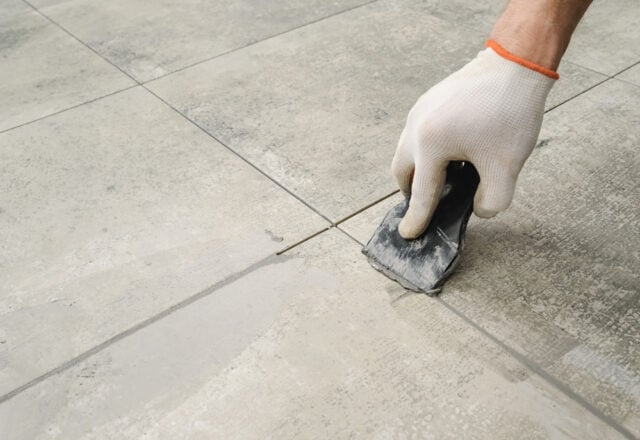
Start by cleaning the travertine well and letting it dry fully before you seal. Trapped moisture can cause cloudy spots and patches that are hard to fix later. Fill any open holes with a suitable filler before applying the first sealer coat. Apply thin, even coats and remove any excess before it dries on the surface. Follow the cure times on the label, since rushing can leave streaks or haze. Reseal on the schedule the maker suggests, and test with a few water drops.
Most of the answer comes from watching who walks on the stone and how often. A kitchen floor and a sunny pool deck simply don’t have the same needs. For one homeowner, the biggest worry is stains, while another cares more about how glossy the stone looks. Let that answer guide you, and don’t be shy about testing a small patch. An hour spent on a test patch is cheaper than stripping a coating that turned out blotchy. Once the travertine is sealed, a spilled drink becomes a quick wipe instead of a worry.
Disclaimer
Artificial Intelligence Disclosure & Legal Disclaimer
AI Content Policy.
To provide our readers with timely and comprehensive coverage, South Florida Reporter uses artificial intelligence (AI) to assist in producing certain articles and visual content.
Articles: AI may be used to assist in research, structural drafting, or data analysis. All AI-assisted text is reviewed and edited by our team to ensure accuracy and adherence to our editorial standards.
Images: Any imagery generated or significantly altered by AI is clearly marked with a disclaimer or watermark to distinguish it from traditional photography or editorial illustrations.
General Disclaimer
The information contained in South Florida Reporter is for general information purposes only.
South Florida Reporter assumes no responsibility for errors or omissions in the contents of the Service. In no event shall South Florida Reporter be liable for any special, direct, indirect, consequential, or incidental damages or any damages whatsoever, whether in an action of contract, negligence or other tort, arising out of or in connection with the use of the Service or the contents of the Service.
The Company reserves the right to make additions, deletions, or modifications to the contents of the Service at any time without prior notice. The Company does not warrant that the Service is free of viruses or other harmful components.