There was a time when grabbing a drink simply meant satisfying your thirst or getting a quick jolt of caffeine to survive the afternoon slump. You walked up to a counter, ordered a regular drip coffee or a fizzy soda, and went about your day. But if you have stepped into a grocery store or a local café recently, you have probably noticed a massive shift. The beverage aisle is no longer just about liquid refreshment; it is about lifestyle optimization.
From ready-to-drink protein cold brews to sparkling sodas infused with cannabidiol (CBD) and mood-boosting adaptogens (herbs that help your body handle stress), the functional beverage market is undergoing an explosive boom. Major global corporate giants and innovative startups alike are rushing to cash in on a consumer base that treats drinks less like hydration and more like a tool for overall well-being.
The Starbucks Phenomenon: Protein vs. The Flat White
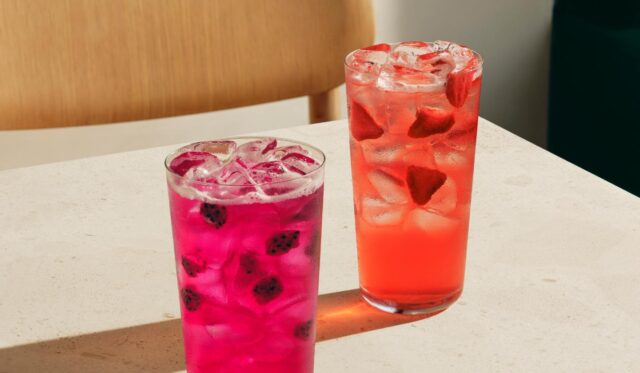
Nowhere is this trend more visible than inside the world’s largest coffee chains. Take Starbucks, for instance. Long known for introducing the world to premium espresso and seasonal pumpkin spice flavors, the company is leaning hard into wellness upgrades.
In a recent CNBC report, Sam Henderson, Starbucks’ Manager of Beverage Development for Europe, the Middle East, and Africa (EMEA), revealed just how rapidly these consumer habits are altering the menu landscape. Henderson shared a startling metric: the coffee giant is selling almost as much protein cold foam as it does traditional flat whites.

Think about that for a second. The flat white is a staple of modern specialty coffee culture—a reliable, classic balance of espresso and velvety steamed milk. For a high-protein topping alternative to match its sales volume demonstrates that adding nutritional muscle to a morning caffeine fix is no longer a niche health-food trend. It is completely mainstream. By seamlessly integrating options like protein-boosted cold brews or vanilla matcha protein lattes into everyday ordering routines, coffee brands are capturing consumers who want their daily indulgence to multitask.
What is Driving the Obsession?
To understand why this is happening, we have to look closely at changing consumer mindsets. According to the comprehensive EY Consumer Beverage Survey, our collective relationship with what we drink has fundamentally evolved. Modern shoppers are scrutinizing what goes into their bodies with unprecedented intensity.
The EY data reveals that a striking 58% of United States consumers explicitly pay attention to the specific ingredients in the drinks they purchase. People want clean labels, clear benefits, and minimal fillers. Furthermore, sugar has become a primary target for reduction, with 66% of surveyed individuals opting for lower sugar and lower calorie options.
But it is not just about avoiding the “bad” stuff anymore. Consumers are actively looking to add beneficial elements to their routines, and they are willing to open their wallets to get them. The EY survey highlights that 52% of US consumers are willing to pay a premium price for beverages that directly support their personal health and wellness goals. Whether it is a drink that promises sharper mental clarity, a healthier gut, or a stronger immune system, modern consumers view these functional ingredients as a worthy investment in their long-term health.
The Generational Divide: Gen Z and Millennials Lead the Charge
While the interest in wellness spans all age brackets, the functional beverage movement is being heavily accelerated by younger demographics. Gen Z and Millennials are completely rewriting the rules of beverage culture, prioritizing holistic health, convenience, and functional enhancements above tradition.
According to EY’s findings, 80% of Gen Z consumers and 75% of Millennial consumers report drinking functional beverages—such as energy drinks, probiotic-packed juices, or vitamin-enhanced waters—at least once every two weeks. This stands in stark contrast to older generations and outpaces the general population average of 65%.
The shift is particularly visible when looking at the energy drink category. Over half of Gen Z (53%) and nearly half of Millennials (47%) consume energy drinks at least fortnightly, compared to just 34% of the population overall. However, today’s energy drinks look entirely different than the sugary, chemical-heavy formulas of the early 2000s. Younger shoppers are demanding clean caffeine sources, natural fruit flavorings, and added cognitive enhancers like nootropics to help them focus without the dreaded sugar crash.
Simultaneously, there is a cultural shift toward moderation regarding alcohol. While social drinking spaces remain popular, alternative beverages are filling the void for those practicing a “sober curious” or mindful lifestyle. Instead of cracking open a beer or pouring a glass of wine to unwind after a high-stress workday, consumers are increasingly reaching for zero-proof functional sparkling waters or CBD-infused sodas designed to promote relaxation naturally.
AI and Global Variations: A Tale of Two Markets
The boom is global, but how people discover and interact with these products varies widely across borders. The EY Consumer Beverage Survey highlighted a fascinating comparison between consumer behaviors in the United States and Brazil, particularly regarding how technology influences what we drink.
In Brazil, the pursuit of wellness is deeply intertwined with functional health benefits. Three out of four Brazilian consumers cite immune support as a top benefit that directly influences their likelihood to buy a functional drink.
But where things get truly futuristic is in product discovery. Brazil has adopted digital tools and artificial intelligence recommendations at an astonishing pace. The survey found that 45% of Brazilian consumers have used AI-based beverage recommendations within the past year to explore new products, compared to 27% in the United States. Looking ahead, a massive 70% of Brazilian respondents say they are very likely to use AI tools for beverage discovery next year, with the highest enthusiasm concentrated among tech-savvy Millennials.
Whether it is through online grocery recommendations, health and fitness tracking apps, or personalized loyalty programs, digital discovery has become the main gateway for finding your next favorite drink.
The Visual Roadmap of Growth
As Sean Harapko, EY Americas Beverage Leader, points out, we are seeing a clear rise in highly intentional beverage consumption. Drinks are no longer an afterthought; they are a calculated choice. Rob Holston, EY Global and Americas Consumer Products Sector Leader, takes it a step further, noting that wellness is no longer a niche market segment—it is a baseline expectation.
For brands looking to survive and thrive in this competitive environment, the message is clear: the winners will be those who build trust through absolute ingredient transparency, deliver scientifically backed, tangible benefits, and create highly personalized digital experiences to meet consumers where they are.
So, the next time you order an iced coffee topped with protein cold foam or crack open a sparkling can of adaptogen soda, you aren’t just quenching your thirst. You are participating in a massive, multi-billion-dollar structural shift that is permanently reshaping global retail, agricultural supply chains, and the very definition of what a beverage can do for you.
Sources and Links:
- CNBC Article (June 28, 2026): Protein coffee, CBD soda: Inside the functional beverage boom
- EY Newsroom / Research Survey (March 2026): EY Consumer Beverage Survey: New consumer research finds health-led choices, generational changes and digital discovery are redefining beverage expectations
Disclaimer
Artificial Intelligence Disclosure & Legal Disclaimer
AI Content Policy.
To provide our readers with timely and comprehensive coverage, South Florida Reporter uses artificial intelligence (AI) to assist in producing certain articles and visual content.
Articles: AI may be used to assist in research, structural drafting, or data analysis. All AI-assisted text is reviewed and edited by our team to ensure accuracy and adherence to our editorial standards.
Images: Any imagery generated or significantly altered by AI is clearly marked with a disclaimer or watermark to distinguish it from traditional photography or editorial illustrations.
General Disclaimer
The information contained in South Florida Reporter is for general information purposes only.
South Florida Reporter assumes no responsibility for errors or omissions in the contents of the Service. In no event shall South Florida Reporter be liable for any special, direct, indirect, consequential, or incidental damages or any damages whatsoever, whether in an action of contract, negligence or other tort, arising out of or in connection with the use of the Service or the contents of the Service.
The Company reserves the right to make additions, deletions, or modifications to the contents of the Service at any time without prior notice. The Company does not warrant that the Service is free of viruses or other harmful components.