— Costly Proposition —
Florida’s public hospital districts and health systems would lose an estimated $323 million over three years if voters approve Amendment 3, putting funding for indigent care, trauma services and community health programs at risk, according to a new Florida Policy Institute analysis.
The money now supports care for uninsured and underinsured Floridians, as well as behavioral health programs, maternity care, emergency services, community clinics, and other programs that may not be self-sustaining through patient revenue.
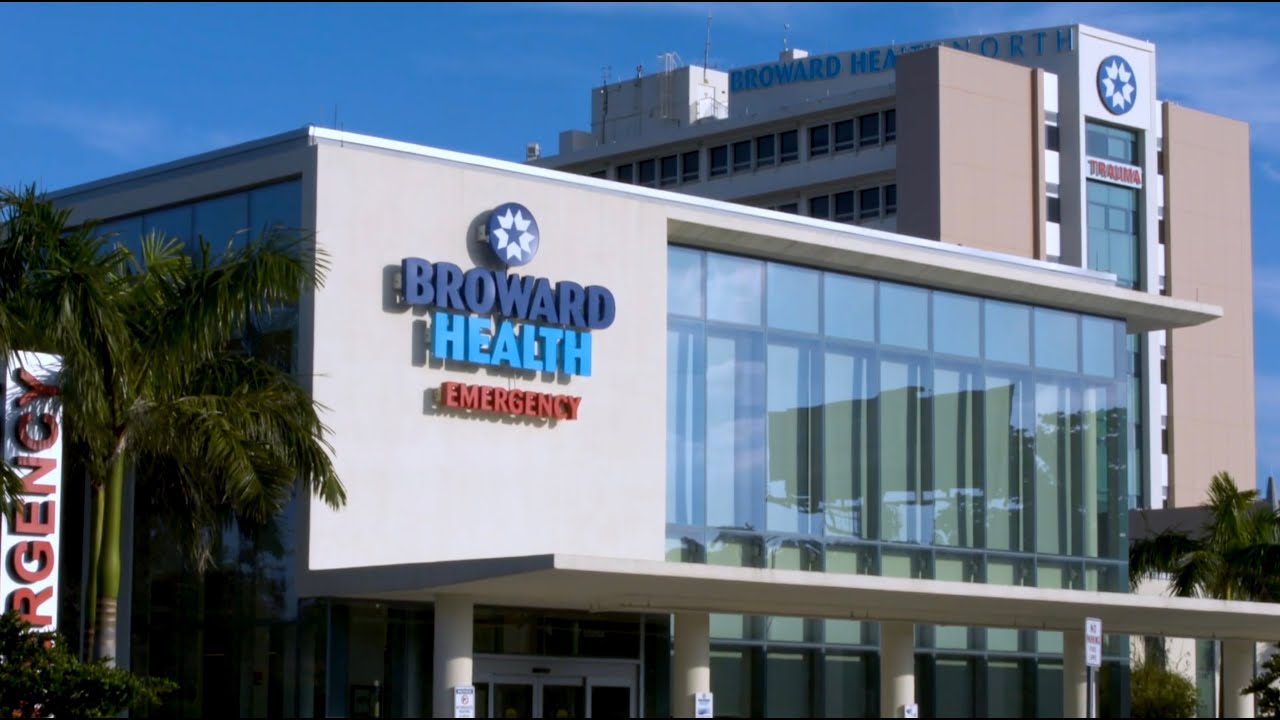
The largest losses would fall on major South Florida systems — Broward Health, the Health Care District of Palm Beach County and Miami-Dade’s Jackson Health System account for more than two-thirds of FPI’s topline figure alone.

But the proportional damage could be greater in smaller communities. The North Lake County Hospital District’s cumulative loss would equal 88% of what it collects in a typical year. Baker County’s roughly $1 million reduction accounts for about three-quarters of its annual hospital revenue. Its only hospital already lacks an OB-GYN, leaving residents without a local place to safely give birth.
FPI’s $323 million estimate was based on county-level projections from state economists, and the losses were calculated by using hospital districts’ current tax rates. The calculation assumes taxable values are distributed similarly throughout a county, and FPI acknowledged that estimates produced with more precise local data could differ.
FPI is also part of the organized opposition. Its Chief Strategy Officer, Holly Bullard, helped orchestrate the launch of Floridians for Shared Prosperity, which is campaigning under the banner of Save Our Services — No on 3. It is one of three political committees formed against the Amendment.
If approved, Amendment 3 would increase Florida’s homestead exemption for non-school property taxes to $150,000 in 2027 and $250,000 in 2028. Florida’s current homestead exemption is $50,000.
The Amendment would also reduce the cap on annual assessment increases for non-homestead property from 10% to 5% and establish a process to further expand homestead exemptions.
State economists estimate the measure would reduce local non-school property tax revenue by about $4.95 billion in its first year, with the recurring annual reduction approaching $11.86 billion by the 2031-32 fiscal year.
Supporters argue that rapidly increasing property values have allowed local tax collections to grow too quickly and that homeowners need meaningful relief, but a growing coalition that includes counties, cities, law enforcement and firefighter unions, among others, has been warning voters that a massive dip in their property tax bill would lead to a commensurate reduction in local government services.
Ballot amendments must receive 60% support to pass, and Amendment 3’s polling numbers vary significantly based on how the Amendment is framed and voters’ knowledge of its potential downsides — an August Sachs Media survey found the recently rewritten ballot language clearing the bar at 65% support. But earlier polls, conducted when the now-deprecated language was in place, showed it fell short of 60%, with more positive results attributed to voters not knowing what it does.

— 7 in 10 —
Getting commercial insurance to cover a new brand-name medication increasingly begins with “no.”
Seven in 10 attempts to start a branded medicine were initially rejected in 2025, according to a new IQVIA analysis. That was up from 57% in 2021.
The restrictions can include prior authorization, requirements to try another drug first, coverage exclusions and quantity limits. IQVIA said the findings show that those controls are becoming more common across a wide range of treatments, rather than being confined to a few types of medicine.

An initial rejection, however, was not necessarily the definitive answer. Within 30 days, the share of 2025 claims still denied had fallen to 32%.
But some patients never cleared the insurer’s requirements. Among claims first submitted in 2024 — giving researchers a full year to track outcomes — 24% never received approval. That was up from 18% in 2021.
The results were similar when researchers counted patients rather than individual claims because most commercially insured patients started only one new brand-name medicine during the year. In 2024, 70% of patients encountered at least one denial.
The findings also point to a growing administrative burden. Among patients who eventually obtained approval after a rejection in 2024, 44% did so that same day, suggesting that many denials involved paperwork or other requirements that could be resolved quickly.
Others waited considerably longer. The average time needed to obtain approval increased from 12 days in 2021 to 16 days in 2024, while 1 in 10 attempts faced delays exceeding a month.
The national analysis covered patients with commercial insurance and was sponsored by the Pharmaceutical Research and Manufacturers of America, the drug industry’s principal trade organization.
— Google’s a Gator —
The University of Florida Diabetes Institute will use funding from Google.org to develop AI tools intended to help primary care providers better diagnose and manage diabetes.
The funding will expand UF’s Project Extension for Community Healthcare Outcomes (ECHO) Diabetes initiative. The program trains physicians and supports patient screening in rural and underserved areas where access to diabetes specialists can be limited.
“At Google, we believe that information is a determinant of health, and access to the right clinical guidance at the right time can transform lives,” said Garth Graham, the global head of healthcare and public health at Google and a former assistant dean at UF College of Medicine. “We are deeply proud to support the University of Florida as they pioneer new ways to scale clinical expert guidance using technology.

UF says that more than 90% of diabetes care is delivered in primary care settings due to a nationwide shortage of adult endocrinologists. The institute has trained physicians at more than 120 clinical sites across Florida, but it says insufficient training can still leave patients misdiagnosed or undiagnosed.
Researchers plan to develop an AI-powered virtual assistant that can provide clinicians with guidance on diabetes detection and treatment. Other AI-assisted tools will help identify patients at risk of developing the disease or those who may have received an incorrect diagnosis.
Training modules will cover topics including continuous glucose monitoring and nutrition. ECHO diabetes-support coaches will also connect patients with “food as medicine” resources to reduce food insecurity and diet-related stress.
Ashby Walker, an associate professor in the UF College of Public Health and Health Professions, and Michael Haller, a pediatric endocrinologist, will lead the project.
Rep. Sam Garrison, who is set to become Speaker after the November election, praised the move as “an exciting development and innovative approach to expanding access to care for adults and children living with Type 1 and Type 2 diabetes here in Florida.”
“The University of Florida’s Project ECHO Diabetes is not only leading the discussion on how to leverage AI within rural Florida communities but also empowers healthcare providers to deliver routine specialty care to those in need. Thank you to Google.org for their generous support of Project ECHO Diabetes,” the Fleming Island Republican said.

— Lights. Camera. Action! —
Florida’s long-term care workers are getting a turn in front of the camera.
The Florida Health Care Association has released the trailer for People Worth Caring About: Florida, an upcoming season of a national documentary series focused on caregivers working in long-term care communities.
Hosted by former certified nursing assistant and filmmaker Peter Murphy Lewis, the Florida season visits eight FHCA-member nursing centers. The unscripted series focuses on the caregivers working inside those facilities, their relationships with residents and the sense of purpose behind their work.
To watch the trailer, please click the image below:
“Caregiving is a calling, and every single day, our members answer it with heart,” FHCA CEO Emmett Reed said.
“The talent and compassion of Florida’s caregivers drive quality care and give families real peace of mind knowing their loved ones are in good hands. We couldn’t be prouder to share these exceptional stories and the incredible people behind them.”
The Florida facilities to be featured:
— Avante at Orlando in Orlando
— Aviata at Emerald Shores in the Callaway-Panama City area
— Labelle Health and Rehabilitation Center in LaBelle
— Palm Garden of Port St. Lucie in Port St. Lucie
— Rehabilitation Center of the Palm Beaches in West Palm Beach
— Riviera Health Resort in Coral Gables
— Springtree Rehabilitation & Healthcare Center in Sunrise
— Surrey Place Health Care Center in Bradenton
People Worth Caring About has previously spotlighted caregivers in Nebraska, Ohio and New Mexico. Florida joins Kentucky, North Dakota and Alaska among the states being added to the docuseries.
FHCA said the Florida season is expected to premiere late this year.

— See You in Court —
Florida’s top prosecutor is accusing two major pharmacy benefit managers of conspiring to suppress payments to pharmacies, making it harder for independent operators to fill prescriptions without losing money.
Attorney General James Uthmeier filed the lawsuit against Prime Therapeutics and Express Scripts in Florida’s 10th Judicial Circuit Court.

PBMs serve as intermediaries among health plans, drug manufacturers and pharmacies, and their detractors often cast them as “middlemen” behind the rise of prescription prices.
Recent Legislative Sessions have seen lawmakers target PBMs over practices such as “steering,” where PBMs direct patients to pharmacies that they own in order to receive greater profit, and “spread pricing,” a term describing the practice of charging an insurer one price for a drug and paying the pharmacy a lower cost while pocketing the difference.
The practice described in Uthmeier’s complaint bears more resemblance to cartel-like collusion: it alleges that Prime and Express entered into an agreement in 2020 to coordinate the reimbursement rates paid to pharmacies that fill prescriptions through their networks.
Before the agreement, Prime typically reimbursed pharmacies at rates about 20% higher than Express Scripts, according to the lawsuit. Payments for both brand-name and generic medications then fell significantly.
Uthmeier said the reductions forced some pharmacies to fill prescriptions at a loss, with smaller, locally owned pharmacies hit especially hard.
“Floridians — especially our seniors and families — depend on local pharmacies for the medications that keep them healthy,” Uthmeier said. “Prime and Express Scripts colluded to fix prices and underpay those pharmacies, forcing many to fill prescriptions at a loss. When pharmacies struggle, or close, patients lose local options and access to care. My office is holding them accountable to protect Florida patients.”
The lawsuit alleges violations of Florida’s antitrust and deceptive trade practices laws. Uthmeier is seeking an injunction to halt the challenged practices as well as civil penalties and damages.

— LOBBYISTS —
Ron Book, Kelly Mallette, Gabriela Navarro, Ronald L. Book PA: MedBetter Health
Ron Pierce, Natalie King, RSA Consulting Group: The Motivational Edge
Brittany Rembert: AdventHealth

— ICYMI —
“Florida, hard-hit by Obamacare drop-off, feels the squeeze of rising healthcare costs” via Ali Swenson and Jacquelyn Martin of The Associated Press — After Republicans in Congress let enhanced federal subsidies for Affordable Care Act health plans expire in January, millions of Americans had to decide whether to keep insurance that often doubled or tripled in cost — or risk going without it. Florida, whose large population of gig workers, entrepreneurs and small business owners relies heavily on the federal health insurance marketplace, has become one of the nation’s most visible epicenters of that impact. Figures first reported by The Associated Press showed that about 440,000 Floridians dropped their Affordable Care Act plans this year — more than in any other state. Thousands more who kept coverage are struggling to get by, as prices of necessities like groceries and gasoline remain steep, and health insurers project another year of double-digit premium hikes.
“NAACP wants judge to end city of Tallahassee, FSU push to dismiss TMH lawsuit” via Elena Barrera of the Tallahassee Democrat — A proposed order sent to a Tallahassee judge would deny the City of Tallahassee’s and Florida State University’s motions to dismiss the Tallahassee NAACP’s lawsuit challenging the sale of the Tallahassee Memorial HealthCare hospital to the university. The proposed language, provided to Circuit Judge Lee Marsh by the NAACP, would state that the NAACP has raised legal questions substantial enough to keep the lawsuit in play at this stage of the case. The filing comes a month after the judge asked each party to provide supplemental information that would help him determine whether the case should survive. He also specifically asked for information supporting the Tallahassee Branch of the NAACP’s standing to sue, as attorneys for FSU and the city contend that it’s not registered as a legal entity with the state.
“TGH Brooksville performs first open-heart surgery, and Hernando County’s heart patients can skip the drive down I-75” via Peter Schorsch of Florida Politics — For most of its 94 years, the hospital on Ponce de Leon Boulevard in Brooksville was where you went to get stabilized before somebody pointed the ambulance south. That changed this week: Tampa General Hospital (TGH) performed its first open-heart surgery at its Brooksville location, the latest clinical milestone for the Hernando County campus since TGH took it over. The procedure was a single-vessel coronary bypass graft with a mitral valve repair and an atrial appendage clipping. It was deemed a success, and the patient is recovering. “Bringing cardiothoracic surgery to TGH Brooksville required an extraordinary level of collaboration,” said Robert “Bobby” Ginn Jr., senior vice president and president of TGH Brooksville and TGH Spring Hill.

“Donalds’ ad deceptively edited Jolly clip on gender-affirming care” via Samantha Putterman of PolitiFact — Ahead of U.S. Rep. Donalds’ win in Florida’s Republican Gubernatorial Primary, he launched an attack ad against Jolly over transgender issues. The ad’s text says Jolly supports “gender changing surgeries on kids” and plays a clip of Jolly saying, “We embraced it, the medical pathways, the gender-affirming care.” Did Jolly say he supports surgeries for children to affirm their gender? No, the ad twists Jolly’s words from a 2025 podcast interview. In context, Jolly was quoting someone else when he made the comment about gender-affirming care — a broad term that isn’t limited to surgery. When asked by reporters about medical care for trans youth, Jolly has said he supports families making medical decisions with a doctor. We rate this statement False. “I do not know what further statement you need when he says it pretty plainly himself,” Donalds spokesperson Skylar Swanson said.
“FDA approves landmark pancreatic cancer drug that’s shown to improve survival” via The Associated Press — The Food and Drug Administration approved a groundbreaking new drug for advanced pancreatic cancer, offering U.S. patients a more effective treatment against one of the deadliest types of cancer. FDA officials gave expedited approval to the first-of-its-kind pill, called daraxonrasib, which blocks a mutated protein that fuels tumor growth in more than 90% of pancreatic cancer cases. It’s an approach that previously eluded drugmakers for decades. The daily pills will be sold by Revolution Medicines under the brand name Rasonque. A one-month supply would cost approximately $39,800. Patients taking the drug nearly doubled their survival time, with fewer severe side effects, in a study that randomly assigned them to receive the experimental treatment or more chemotherapy. The company-funded study enrolled 500 patients whose metastatic, or spreading, cancer had quit responding to prior treatment.
“Lee Health, UnitedHealthcare split puts 50,000 patients on notice” via Liz Freeman of the Fort Myers News — Press and the Naples Daily News — Lee Health says it will leave UnitedHealthcare’s network Jan. 1 after years of disputes over denials, prior authorizations and unpaid claims. The health system says roughly one-third of its care denials come from UnitedHealthcare and that most are later overturned on appeal. It also says the insurer owes about $100 million for services already provided. About 50,000 patients have been notified that affected employer, individual and Medicare Advantage plans will become out-of-network next year. UnitedHealthcare says Lee Health ended the relationship without advance discussion and argues negotiations should continue. Lee Health says the decision is not a bargaining tactic, though it remains open to talks if the tenor changes.

— RULES —
The Board of Pharmacy’s final rule (64B16-28.750) regarding Class III Institutional Pharmacies goes into effect on Sept. 1. More here.
AHCA’s Certificate of Need final rule (59C-1.002) regarding Definitions goes into effect on Sept. 1. More here.
The Board of Medicine’s final rule (64B8-2.001) regarding Definitions goes into effect on Sept. 10. More here.
The Board of Medicine’s final rule (64B8-4.025) regarding Licensure Under Supervision goes into effect on Sept. 10. More here.
The post Diagnosis for 8.31.26: Checking the pulse of Florida healthcare news and policy appeared first on Florida Politics – Campaigns & Elections. Lobbying & Government..
Disclaimer
Artificial Intelligence Disclosure & Legal Disclaimer
AI Content Policy.
To provide our readers with timely and comprehensive coverage, South Florida Reporter uses artificial intelligence (AI) to assist in producing certain articles and visual content.
Articles: AI may be used to assist in research, structural drafting, or data analysis. All AI-assisted text is reviewed and edited by our team to ensure accuracy and adherence to our editorial standards.
Images: Any imagery generated or significantly altered by AI is clearly marked with a disclaimer or watermark to distinguish it from traditional photography or editorial illustrations.
General Disclaimer
The information contained in South Florida Reporter is for general information purposes only.
South Florida Reporter assumes no responsibility for errors or omissions in the contents of the Service. In no event shall South Florida Reporter be liable for any special, direct, indirect, consequential, or incidental damages or any damages whatsoever, whether in an action of contract, negligence or other tort, arising out of or in connection with the use of the Service or the contents of the Service.
The Company reserves the right to make additions, deletions, or modifications to the contents of the Service at any time without prior notice. The Company does not warrant that the Service is free of viruses or other harmful components.