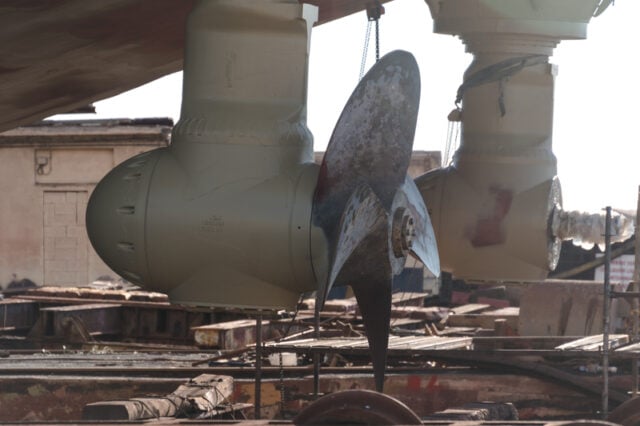
Global shipping runs on tight timing. A small engine problem can now delay a berth, miss a cargo connection, and push costs through the rest of the trip. Retailers, factories, and consumers may never see the engine room, yet they feel the impact when a ship falls behind. That makes reliability more than a technical goal. It is a business need.
The pressure comes from several directions at once. Fuel remains expensive, emissions rules are getting stricter, and ships often sail with little room for delay. At the same time, crews and shore teams must keep older vessels working while the industry trains for new fuels and new systems.
Why the pressure keeps rising
Reliability matters more because shipping has become less forgiving. Ports turn ships faster, customers track cargo more closely, and disruptions spread quickly across supply chains. When engines perform steadily, crews can focus on safe and efficient operations instead of last minute fixes.
Tighter voyages leave little margin
Recent data shows how sharply the pressure has grown. DNV reported that maritime safety incidents rose 42 percent between 2018 and 2024, while the global fleet expanded only 10 percent. That gap suggests operators are carrying more strain per ship than they did a few years ago.

Schedules help explain why that matters. A vessel that loses propulsion or power may miss a pilot slot, a crane window, or a rail handoff on shore. For operators focused on marine maintenance planning, reliable engine performance supports steadier fuel use and fewer surprise delays. Each missed step adds cost, burns extra fuel, and turns a local engine issue into a wider supply chain problem. That is why consistent output protects both efficiency and schedule control.
The response is no longer limited to fixing breakdowns after they happen. Shipping companies now treat engine reliability as a mix of planning, training, monitoring, and smarter maintenance. The goal is fewer surprises, clearer decisions, and better fuel control.
Maintenance moves ahead of breakdowns, and preventive maintenance has moved from the workshop to the center of fleet strategy. Managers now plan service windows around voyage patterns, fuel consumption, and the condition signals coming from each vessel. The aim is simple. Solve small problems before they become expensive disruptions.
That approach also helps crews work with less stress. Many operators now rely on planned inspections, overhaul timing, and condition checks that reduce surprise failures. When engines run evenly, ships tend to hold schedule better and burn fuel more efficiently. The benefits go beyond the next port call. For shore teams, that means fewer emergency parts orders and less repair work around a single breakdown.
Crews feel the strain first
Crews usually absorb the first impact. BIMCO’s report om its ballast water survey used validated responses from 37 companies. Those responses covered 3,231 ships, which makes it a broad view of daily operations. The report found that frequent alarms, troubleshooting, and paperwork are adding pressure during port calls.
That extra work matters because port stays are short and tasks pile up fast. BIMCO said the extra alarms and manual checks can contribute to fatigue and work and rest limit breaches. Alarms demand attention even when they do not point to serious engine trouble. Troubleshooting also pulls senior crew away from planning and supervision. Paperwork grows during port calls, when time is already scarce.
Morale tells part of the same story. The Mission to Seafarers said its Seafarers Happiness Index reached 7.26 out of 10 in the last quarter of 2025, a modest recovery after a hard year. Yet the same update warned that crews are shrinking, workloads are expanding, and rest records remain under pressure. That makes morale part of the reliability story, because a tired crew is less likely to spot a small sign early.
Better data spots trouble sooner, and monitoring tools are changing how fleets spot trouble. Sensors, trend reports, and remote support can reveal unusual heat, pressure changes, or vibration before crews feel a serious loss of performance. That gives both ship staff and shore managers more time to act.
However, more data only helps when it is clear and usable. DNV reported that machinery damage or failure caused 60 percent of serious cases in 2024, up from 38 percent a decade earlier. Good systems highlight the most urgent issue first, instead of flooding crews with alerts. Trend data is more useful when shore teams and ships read it the same way. Clear action steps help crews respond quickly during a busy port call.
Training still matters, but it does not solve every problem. BIMCO found that system complexity, weak usability, and real world port pressure can still overwhelm crews and interrupt smooth voyages. Technology works best when it reduces workload rather than adding another screen to watch.
Older ships need steadier care
Older vessels make the challenge harder. DNV found that ships over 25 years old accounted for 41 percent of reported cases in 2024, up from 32 percent in 2014. Many of those ships still serve busy routes, which means reliability depends on steady care, not wishful thinking.
Age alone does not decide whether a ship performs well. However, older engines often need tighter inspection routines, cleaner operating data, and faster attention to early wear. That work calls for close coordination between the engine room and the office ashore. Older ships also need better spare parts planning and carefully timed dock work, because a missed maintenance window can create problems much later at sea.
New fuels demand new skills, and the move toward alternative fuels raises the stakes again. On September 30, 2025, the International Maritime Organization issued interim training guidance for seafarers working with alternative fuels and new technology. That step showed that crew competence is now treated as basic infrastructure, not a side topic.
The organization is also supporting instructor training, World Maritime University materials, and practical tools such as simulators and virtual reality. It is developing guidance for methanol, ammonia, hydrogen, LPG, battery powered ships, and fuel cells for review in February 2026. As fuels and systems change, reliable operation will depend as much on trained people as on strong equipment.
That matters on shore as well as at sea. Fleet managers need maintenance plans, spare parts, and training routines that fit new machinery and new risks. A ship can only stay dependable when people, procedures, and equipment improve together.
What keeps ships moving now
Modern shipping has less slack than it once did. Incident trends, aging vessels, heavy workloads, and new fuel demands point to the same conclusion. Engine reliability now shapes safety, cost, and schedule performance at once. It is no longer a narrow concern for the engine room alone.
The ships that stay on track will likely be the ones that combine preventive care, useful monitoring, and realistic crew training. Strong morale matters too, because people still notice the warning signs before software can explain them. In a tougher shipping market, dependable engines are what keep the whole system moving.
Disclaimer
Artificial Intelligence Disclosure & Legal Disclaimer
AI Content Policy.
To provide our readers with timely and comprehensive coverage, South Florida Reporter uses artificial intelligence (AI) to assist in producing certain articles and visual content.
Articles: AI may be used to assist in research, structural drafting, or data analysis. All AI-assisted text is reviewed and edited by our team to ensure accuracy and adherence to our editorial standards.
Images: Any imagery generated or significantly altered by AI is clearly marked with a disclaimer or watermark to distinguish it from traditional photography or editorial illustrations.
General Disclaimer
The information contained in South Florida Reporter is for general information purposes only.
South Florida Reporter assumes no responsibility for errors or omissions in the contents of the Service. In no event shall South Florida Reporter be liable for any special, direct, indirect, consequential, or incidental damages or any damages whatsoever, whether in an action of contract, negligence or other tort, arising out of or in connection with the use of the Service or the contents of the Service.
The Company reserves the right to make additions, deletions, or modifications to the contents of the Service at any time without prior notice. The Company does not warrant that the Service is free of viruses or other harmful components.