For South Florida residents, hurricane preparation usually starts with the familiar checklist: water, batteries, flashlights, shutters, medications, and nonperishable food. But storm readiness is not only about supplies. It is also about making sure your finances are organized before a hurricane threatens.
Emergency purchases, insurance deductibles, evacuations, repairs, temporary housing, and cleanup costs can all create pressure at the worst possible time. A little financial preparation before storm season can help families make faster, calmer decisions when every hour matters.
Know What Your Insurance Actually Covers
The best time to review insurance coverage is before hurricane season, not when a storm is already forming. Homeowners, renters, and condo owners should understand what their policies include, what they exclude, and how much they may need to pay out of pocket.
Hurricane deductibles can be different from standard deductibles, and flood damage is often handled separately from homeowners’ insurance. Windstorm coverage, roof exclusions, water damage limits, renters insurance, and auto coverage should all be reviewed carefully.

It is also helpful to take updated photos or videos of your home, belongings, vehicles, and major appliances. Save receipts for valuable items, home improvements, and storm-related upgrades. Keep insurance policy numbers, claim phone numbers, and agent contact information in both digital and printed formats so they are easy to access if power or internet service is disrupted.
Build a Storm-Specific Emergency Fund
A general emergency fund is useful for any household, but South Florida residents may also benefit from setting aside money specifically for hurricane-related costs. Even when a storm does not cause major damage, preparation and recovery can still be expensive.
Evacuation costs, gas, hotel stays, meals, pet boarding, prescriptions, temporary repairs, cleanup supplies, generator fuel, and insurance deductibles can all add up quickly. A storm-specific fund gives families more flexibility if they need to act fast.
This fund does not need to be fully built overnight. Setting aside a small amount each month can help create a cushion over time. The goal is to reduce the need for last-minute borrowing or rushed financial decisions during an already stressful situation.
Keep Some Cash Accessible Before a Storm
Digital payments are convenient, but they may not always be reliable after a hurricane. Power outages, downed cell networks, closed banks, and damaged payment systems can make it difficult to use cards, apps, or ATMs.
Keeping a reasonable amount of cash in small bills can be a practical backup. Cash may be useful for gas, food, tips, supplies, ice, or small emergency purchases if electronic payment systems are unavailable.
This does not mean keeping a large amount of money at home. It simply means having enough accessible cash to handle basic needs for a short period if normal payment options are disrupted.
Plan for Evacuation and Temporary Housing Costs
Leaving home temporarily can be expensive, especially when decisions need to be made quickly. Residents may need to pay for gas, tolls, hotels, meals, parking, pet-friendly lodging, childcare, or missed work.
Before hurricane season, families can research evacuation routes, hotel options, cancellation policies, and pet requirements. It is also smart to know which relatives or friends may be available as backup destinations.
Planning ahead gives families more options. Waiting until a storm is approaching can mean higher prices, fewer hotel rooms, longer travel times, and more stress. Even a simple evacuation budget can make it easier to decide when and where to go.
Budget for Supplies Before Prices and Stress Rise
Storm supplies are easier to manage when they are purchased gradually. Waiting until the last minute can lead to crowded stores, limited inventory, and rushed spending.
Before buying anything new, check what you already have. Many households already own flashlights, batteries, first-aid items, canned goods, tarps, coolers, portable chargers, or cleaning supplies. Taking inventory can prevent duplicate purchases and help identify real gaps.
Common hurricane supplies may include water, shelf-stable food, medications, baby supplies, pet food, hygiene items, batteries, flashlights, first-aid products, cleaning supplies, portable chargers, and fuel if you safely use a generator. Buying these items over time can make preparation feel less overwhelming and less expensive.
Make Planned Purchases Work Smarter
Hurricane preparation often involves necessary spending, but that does not mean residents should buy without a plan. Comparing prices, using store loyalty programs, checking digital coupons, and shopping early can help reduce costs.
Before buying hurricane supplies, residents can compare prices, use store loyalty programs, and check whether their regular financial accounts offer benefits such as premium banking rewards on planned purchases.
The key is to use benefits only on items you already need. Panic buying can lead to wasted money, duplicate supplies, and items that may expire before they are used. A focused list helps keep spending practical.
Prepare for Home Repairs and Cleanup Costs
Even a moderate storm can create unexpected repair and cleanup expenses. Roof damage, water intrusion, debris removal, spoiled food, broken fencing, fallen branches, appliance damage, and mold prevention can all require money soon after a storm.
Homeowners should know their insurance deductible and keep a short list of emergency contacts, such as roofers, plumbers, electricians, tree services, and restoration companies. When possible, avoid rushing into repairs without written estimates and proof of licensing or insurance.
After major storms, scammers and unqualified contractors may target affected neighborhoods. Having a plan before damage occurs can help residents make safer decisions.
Organize Important Documents Before You Need Them
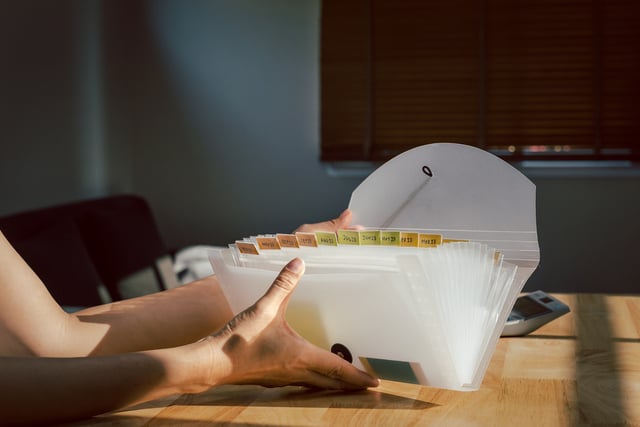
Important documents should be easy to find if evacuation, insurance claims, or emergency decisions become necessary. A simple storm folder can save time and reduce stress.
This folder can include insurance policies, IDs, medical records, prescription lists, property photos, vehicle registration, pet records, bank information, emergency contacts, lease or mortgage documents, and copies of recent utility bills.
Keep both digital and physical copies when possible. Digital copies can be stored securely in the cloud, while printed copies can be kept in a waterproof folder or bag.
Review the Plan After Each Season
Financial hurricane preparation should be updated every year. After storm season ends, review what worked and what needs improvement. Did you use certain supplies? Did anything expire? Were evacuation costs higher than expected? Was your emergency fund enough?
This review does not need to be complicated. A short annual check can help you adjust your budget, replace expired items, update insurance documents, and improve your plan before the next season begins.
Financial Readiness Brings Peace of Mind
No one can control the weather, but South Florida residents can control how prepared they are. A clear financial plan, accessible emergency funds, organized documents, and thoughtful purchasing can make hurricane season less stressful.
Preparing early helps families respond with more confidence, avoid rushed decisions, and focus on what matters most: staying safe.
Disclaimer
Artificial Intelligence Disclosure & Legal Disclaimer
AI Content Policy.
To provide our readers with timely and comprehensive coverage, South Florida Reporter uses artificial intelligence (AI) to assist in producing certain articles and visual content.
Articles: AI may be used to assist in research, structural drafting, or data analysis. All AI-assisted text is reviewed and edited by our team to ensure accuracy and adherence to our editorial standards.
Images: Any imagery generated or significantly altered by AI is clearly marked with a disclaimer or watermark to distinguish it from traditional photography or editorial illustrations.
General Disclaimer
The information contained in South Florida Reporter is for general information purposes only.
South Florida Reporter assumes no responsibility for errors or omissions in the contents of the Service. In no event shall South Florida Reporter be liable for any special, direct, indirect, consequential, or incidental damages or any damages whatsoever, whether in an action of contract, negligence or other tort, arising out of or in connection with the use of the Service or the contents of the Service.
The Company reserves the right to make additions, deletions, or modifications to the contents of the Service at any time without prior notice. The Company does not warrant that the Service is free of viruses or other harmful components.