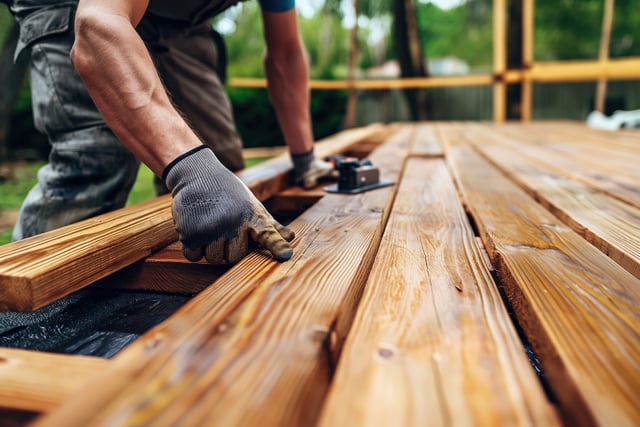
In South Florida, outdoor space is not a bonus. It is part of daily life. Morning coffee on the patio, weekend grilling, family gatherings that spill into the yard, and quiet evenings when the air finally cools down are all built into the lifestyle. That is why outdoor upgrades have become one of the most popular ways to improve a home without taking on a full interior renovation.
But Florida’s climate is demanding. Heat, humidity, intense sun, salt air in coastal areas, and the realities of hurricane season can turn a beautiful outdoor project into a maintenance headache if it is not planned properly. A deck that looks great in photos is not enough. The goal is a deck that stays solid, safe, and comfortable through the seasons.
Whether you are improving a South Florida home or managing a property in another market, working with a specialist matters. For example, if you own a home outside Florida, partnering with a Lexington deck builder can help ensure the structure is designed for local codes, weather patterns, and long term durability.
A deck is more than wood and railings
A deck is essentially an outdoor room. When designed well, it expands how you use your home. It creates a place to host without feeling crowded, a place for kids to play where you can still keep an eye on them, and a place to unwind without leaving your property. In South Florida, where outdoor living is possible for most of the year, that added usable space can feel like a lifestyle upgrade overnight.

The mistake many homeowners make is focusing only on appearance. They choose a look they love, only to realize the layout does not work in real life. Furniture blocks walkways. The grill area is too tight. There is no shade at the hours they actually want to be outside. The deck becomes a feature instead of a space you truly use.
The best projects start with one simple question: how do you want to live out there? Dining, lounging, entertaining, poolside relaxation, or a mix. Once the purpose is clear, the design choices become much easier and the space ends up feeling intentional.
Florida weather demands smarter choices
Heat and UV exposure are relentless in South Florida. That means materials that fade quickly, warp easily, or heat up too much underfoot can become frustrating. Humidity and heavy rain also raise the risk of moisture related problems, especially if drainage and airflow are not considered.
Storm season adds another layer. High winds and flying debris can test railings, fasteners, and even the structure’s overall stability. That is why build quality matters as much as the design. A well built deck is not just attractive. It is engineered for stress.
This is also where permitting and code compliance come into play. It is tempting to treat a deck as a “simple” project, but in many places it is tied to structural requirements, elevation considerations, and safety rules that protect your home and your family.
Layout is what makes the space feel premium
Many decks are built as basic rectangles because it seems simpler, but the best outdoor spaces are designed around flow. A deck feels high end when you can move naturally through it, sit comfortably, and host without constantly rearranging furniture.
A common improvement is zoning. A dining zone near the kitchen door, a lounge zone farther out, and a clear path between them. Even small decks can feel larger when the layout is planned around how people move and gather.
Stairs are also a big detail. Poorly placed stairs can cut the deck in half or create awkward traffic. Good stair placement improves safety and makes the deck feel integrated with the yard instead of disconnected from it.
Shade and comfort are not optional in South Florida
If the deck is in direct sun, it may look beautiful and still be unusable at peak hours. That is why shade planning has become a key part of outdoor design. Pergolas, partial covers, umbrellas, and even strategic landscaping can change how often you actually use the space.
Comfort also includes airflow. Outdoor ceiling fans, screened areas, or thoughtful spacing that allows breezes to move through can make the deck feel cooler. These details turn the deck from a seasonal spot into a year round habit.
Lighting extends the value into the evening
In South Florida, evenings are often the best time to be outside. The air is lighter, the sun is softer, and the mood is calmer. But without lighting, decks disappear at night.
Good lighting is not about flooding the yard with brightness. It is about creating a welcoming atmosphere and improving safety. Step lights, subtle rail lighting, and warm ambient fixtures can make the deck feel like an outdoor living room. This is one of the simplest upgrades that dramatically increases how often a deck gets used.
Maintenance is easier when the deck is built correctly
One of the biggest differences between a deck that lasts and a deck that becomes a constant repair project is what you do not see. Proper framing, correct fasteners, clean flashing where the deck meets the home, and smart drainage choices all affect how the structure ages.
A deck also needs breathing room. Airflow under and around the structure helps reduce moisture buildup. That matters in humid climates because trapped moisture can shorten the lifespan of materials and create problems you only discover later.
Even the best deck needs regular care, but good construction reduces the frequency and intensity of that maintenance. Instead of fighting recurring issues, you focus on simple upkeep that keeps the space looking sharp.
Why decks are still one of the smartest upgrades
Outdoor projects have a rare advantage. They improve daily life and property appeal at the same time. A well planned deck makes a home feel more complete, more social, and more relaxing. It also creates a strong first impression because it signals that the home has usable, lifestyle driven space beyond the interior walls.
For homeowners who want a meaningful upgrade without the disruption of a full remodel, a deck is often the best balance of impact and practicality. The key is to treat it like a real living space and build it for the realities of your climate.
In South Florida, that means planning for sun, rain, humidity, and storm season from day one. When those realities are respected, the result is not just a deck. It is a reliable outdoor space you can actually enjoy, season after season.
Disclaimer
Artificial Intelligence Disclosure & Legal Disclaimer
AI Content Policy.
To provide our readers with timely and comprehensive coverage, South Florida Reporter uses artificial intelligence (AI) to assist in producing certain articles and visual content.
Articles: AI may be used to assist in research, structural drafting, or data analysis. All AI-assisted text is reviewed and edited by our team to ensure accuracy and adherence to our editorial standards.
Images: Any imagery generated or significantly altered by AI is clearly marked with a disclaimer or watermark to distinguish it from traditional photography or editorial illustrations.
General Disclaimer
The information contained in South Florida Reporter is for general information purposes only.
South Florida Reporter assumes no responsibility for errors or omissions in the contents of the Service. In no event shall South Florida Reporter be liable for any special, direct, indirect, consequential, or incidental damages or any damages whatsoever, whether in an action of contract, negligence or other tort, arising out of or in connection with the use of the Service or the contents of the Service.
The Company reserves the right to make additions, deletions, or modifications to the contents of the Service at any time without prior notice. The Company does not warrant that the Service is free of viruses or other harmful components.