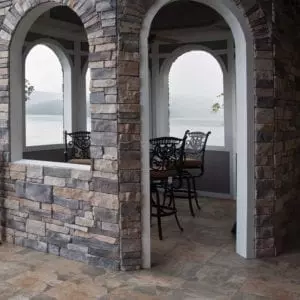
When choosing materials for your home’s design, it’s important to select options that provide both beauty and functionality. Cultured stone, a manufactured alternative to real stone, has become a popular choice for homeowners looking for a high-end look without the challenges of traditional stone. While using cultured stone for a timeless finish, you can achieve the aesthetic of natural stone with a product that is lighter, easier to install, and more cost-effective. Whether you’re updating your home’s exterior or adding a stunning feature wall inside, cultured stone delivers flexibility. Compared to other materials like brick, stucco, and concrete, it provides a balance of visual appeal and practicality that can’t be matched. In this article, we’ll explore what cultured stone is, where it can be used, and how it compares to real stone and other popular exterior options.
What Is Cultured Stone?
Cultured stone is a manufactured stone designed to resemble natural stone, such as granite, limestone, or fieldstone. It is made from a mixture of natural aggregates, cement, and pigments to create lightweight, durable stone-like materials. The process of creating cultured stone involves molding the mixture into various shapes and sizes that mimic the appearance of real stone, while also allowing for a variety of textures and colors.
Unlike natural stone, which is quarried and cut from the earth, cultured stone is engineered to provide a more consistent and controlled appearance. As a result, it can provide a wide range of design options to suit various architectural styles.
Where Can Cultured Stone Be Used?
Cultured stone is a versatile material that can be used in both interior and exterior applications. Its ability to mimic natural stone and come in different textures and finishes makes it a great choice for a variety of projects.

1. Exterior Facades
Cultured stone is often used on the exterior of homes and buildings, providing the same beauty and timeless appeal of real stone. It is commonly used to create stunning stone veneers that can be applied to walls, chimneys, and columns. Cultured stone can enhance your home’s curb appeal while being much lighter and easier to install than traditional stone.
2. Fireplaces and Mantels
A cultured stone fireplace can become the focal point of any room. Since cultured stone is available in various colors and textures, it can be customized to match different interior design styles. Whether you’re aiming for a rustic, traditional look or a modern, sleek design, cultured stone offers the flexibility to create a visually appealing, functional fireplace.
3. Outdoor Spaces
Cultured stone is ideal for creating beautiful outdoor spaces, such as patios, outdoor kitchens, and retaining walls. It is resistant to the elements, making it perfect for landscaping applications. The material’s durability ensures it withstands harsh weather while maintaining its aesthetic appeal.
4. Interior Accent Walls
Inside the home, cultured stone can create dramatic accent walls, particularly in living rooms, dining areas, or kitchens. It adds texture, depth, and a touch of natural beauty, transforming any space into a warm and inviting environment. Whether you prefer a bold statement wall or a subtle backdrop, cultured stone provides a variety of options.
5. Commercial Applications
Beyond residential use, cultured stone is also popular in commercial buildings. It can be used to create attractive exteriors, decorative columns, or feature walls in lobbies and hallways. Its versatility and relatively low cost make it an appealing option for businesses looking to create a sophisticated, welcoming space.
How Does Cultured Stone Compare to Real Stone?
While cultured stone provides many benefits, it’s essential to understand how it compares to real stone, a natural material with its own set of advantages. Here’s a breakdown of how the two materials compare in various aspects:
1. Cost
Cultured stone is significantly more affordable than real stone. Since it’s manufactured and doesn’t require quarrying or transportation of heavy stones, the production and installation costs are much lower. Real stone, on the other hand, is typically more expensive due to the labor-intensive process of quarrying, cutting, and transporting. For homeowners or businesses on a budget, cultured stone provides an attractive alternative without sacrificing style.
2. Weight
Cultured stone is much lighter than real stone. This makes it easier and faster to install, especially in applications like stone veneer or accent walls. Real stone can be heavy and require additional structural support, increasing the complexity and cost of installation. Cultured stone, being lighter, eliminates the need for reinforcement, making it a more practical choice for many projects.
3. Durability
While real stone is naturally durable and can last for generations, cultured stone is also highly durable, but it requires more maintenance over time. Cultured stone is designed to be weather-resistant and long-lasting, but it may be more prone to chipping or cracking under extreme impact than natural stone. Real stone’s solid structure ensures it can withstand the harshest conditions with minimal maintenance.
4. Aesthetic Appeal
Real stone has a unique, natural look, with variations in color, texture, and pattern that make each piece one of a kind. Cultured stone can mimic the look of real stone, but it may lack the subtle imperfections and authenticity of natural stone. However, cultured stone offers a broader range of textures and finishes that can appeal to homeowners seeking a customized, specific look. Both materials offer a similar aesthetic, but real stone has a more organic, timeless feel.
5. Installation
As mentioned earlier, cultured stone is easier and faster to install than real stone. Because of its lighter weight and pre-formed shapes, it can be applied over existing walls without the need for heavy machinery or additional reinforcement. Real stone requires more intensive labor, and installation can be slow and costly. The process typically involves mortar work and precise placement, which adds to both the time and cost of installation.
Conclusion
Cultured stone is an excellent alternative to real stone, offering many of the same aesthetic benefits at a lower cost and with a simpler installation. Whether you’re looking to enhance your home’s exterior, update your fireplace, or add texture to an interior wall, cultured stone provides a versatile solution. While it may not have the same organic, one-of-a-kind feel as real stone, its affordability, light weight, and ease of use make it an ideal choice for a variety of applications. By understanding the differences between cultured stone and real stone, you can make an informed decision about which material best suits your needs and design goals.
Disclaimer
Artificial Intelligence Disclosure & Legal Disclaimer
AI Content Policy.
To provide our readers with timely and comprehensive coverage, South Florida Reporter uses artificial intelligence (AI) to assist in producing certain articles and visual content.
Articles: AI may be used to assist in research, structural drafting, or data analysis. All AI-assisted text is reviewed and edited by our team to ensure accuracy and adherence to our editorial standards.
Images: Any imagery generated or significantly altered by AI is clearly marked with a disclaimer or watermark to distinguish it from traditional photography or editorial illustrations.
General Disclaimer
The information contained in South Florida Reporter is for general information purposes only.
South Florida Reporter assumes no responsibility for errors or omissions in the contents of the Service. In no event shall South Florida Reporter be liable for any special, direct, indirect, consequential, or incidental damages or any damages whatsoever, whether in an action of contract, negligence or other tort, arising out of or in connection with the use of the Service or the contents of the Service.
The Company reserves the right to make additions, deletions, or modifications to the contents of the Service at any time without prior notice. The Company does not warrant that the Service is free of viruses or other harmful components.