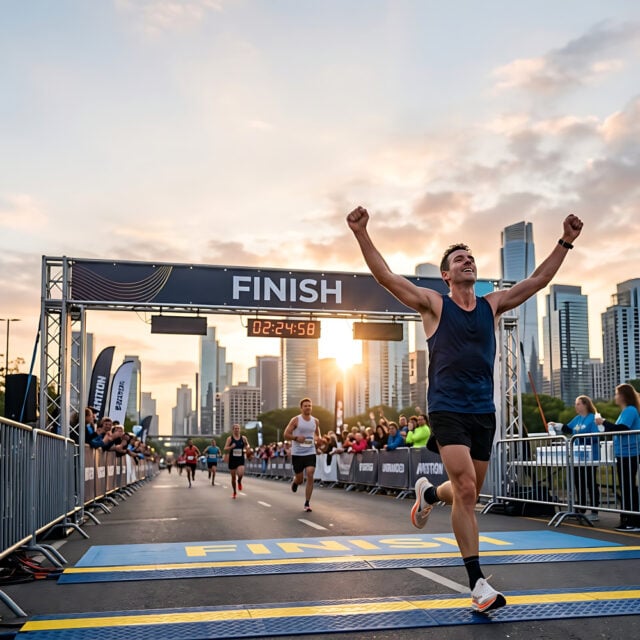
From niche competitions, marathons have evolved into massive, citywide celebrations around the world. Millions of people converge in city streets to participate in the races. They change the economic, tourism, and social landscape of the cities in which they take place in lasting and tangible ways. Get your city race calendar and find out how marathons affect the urban landscape.
Economic Effect of City Marathons
City marathons attract thousands of visitors to the host cities during the racing weekends. Hotels, restaurants, and shops usually see increased revenue during those days. Most cities measure the economic gains through accommodation, food, and shopping revenue. The event planners spend heavily on road closures, health care, and security personnel. These expenses create job opportunities for local residents.
During the racing weekend, another sporting event, like football or tennis, usually happens near the marathon. Sports fans covering both events visit the (Turkish: spor bahis siteleri) to get information about the odds on offer during those days. Such sites list the odds on football, basketball, and other seasonal games happening on that weekend.
Marathon and Digital Engagement Platforms
Most event organizers nowadays use mobile apps to disseminate race results and updates. Fans covering different sporting events use a (Turkish: bahis app) to get live odds on the events they cover, but it usually operates independently of the event technology and scorekeeping applications used by event organizers. The participants also use a special sports application to track speed, distance, and heart rate.

Social networks have become very common in the communication between the runners and fans during the events. Runners communicate live on social networks about their achievements, photos, and finishing moments, while fans track live updates through tracking links and mobile notifications. The social networks play no direct part in the process and only add excitement and convenience to the racing event.
Reasons Marathons Are So Popular With Participants and Spectators
Some reasons contribute greatly to the rising popularity of marathons in large cities. As the list shows, there are quite a few reasons for the continuous growth of the trend.
- Accessibility: Marathons welcome participants of all skill levels and ages.
- Tourism: Runners visiting the event stay longer and spend money in the city.
- Media attention: Marathon broadcasts and social media increase the city’s fame globally.
- Supporting charity: Many participants run for charity.
These factors help explain the popularity of marathon races today. Today, more and more cities are starting to consider hosting marathons as an effective way to enhance their image and boost the economy of the place.
Infrastructural and Long-Term Urban Planning Implications
Repeatedly hosting a marathon requires improvement of roads, signage, and public transport routes within the city. Urban planners often use marathon race routes to test the traffic and pedestrian flow. In some cities, the development of permanent infrastructure happens due to the needs of organizing marathon races. Such upgrades benefit people living in the city even after the event is finished.
Besides, urban planners analyze crowd flows collected during marathon events. The analysis helps to develop better public space organization, transport routes, and emergency planning. Many cities redesign their waterfronts or parks based on results collected during marathon races. Therefore, marathons can be regarded as repeated large-scale testing of urban systems.
Community and Health Programs Through Marathon Events
Marathons often bring together the neighborhoods that do not get the opportunity to interact in normal conditions of city life. Often, local volunteers, schools, and communities help with organization and logistics during the marathon race. It improves civic pride and fosters community involvement in other events besides the marathon. For many people, the arrival of the marathon week becomes an annual event.
Also, marathon events encourage people to live active lives and become healthy. Preparation programs require people to engage in physical activity and exercise months before the race. Public health representatives also stress the importance of marathon events for encouraging physical activity in the city. Some cities cooperate with health organizations to provide runners with safety and health care.
Marathon Events as a Means for Global City Branding
The majority of major marathons include the name of the city they take place in, while being broadcast on TV and covered in the news. Broadcasts include images of the top runners, beautiful routes, and famous landmark buildings. This is free advertising for the tourism and marketing offices of the city.
In most cases, branding advantages from the marathon are not limited to one weekend event. Race routes of marathons usually go through historic, waterfront, and cultural sites of the city. Images and videos of the event are used in various travel publications later on. Some cities specifically organize routes of the marathon races in such a way that they would help to advertise a particular area of the city.
Comparison of Marathon Sizes in Major Cities
The size of a marathon greatly depends on the chosen location and its ability to handle the event. The table below provides a comparison of three well-known marathons based on key organizational characteristics.
| City Marathon | Approximate Runners | Route Length | Primary Focus |
| New York City Marathon | 50,000+ | 42.2 km | Five-borough tourism showcase |
| London Marathon | 45,000+ | 42.2 km | Charity fundraising leader |
| Berlin Marathon | 40,000+ | 42.2 km | Elite record-setting course |
Each city uses its own approach in organizing marathons, which makes the comparisons of those events valuable for organizers of marathons in small cities.
Marathons and Increasing Local Sponsorships
Many local organizations now sponsor some parts of the marathon, like its segments, water stations, and finishing area. The sponsorship program for marathons offers the chance to get advertised in high-visibility community events. Many small firms have the opportunity to advertise their brands that they would never have been able to afford via traditional ads. Sponsorship fees help organizers cover the rising costs of organizing such events, including security and logistics.
Some big corporations even organize a series of marathons in different cities annually. That financial support allows expanding the capacity of runners and improving the organization of events. Sponsorship includes branded merchandise, social media promotion, and hospitality tents along the route of the race.
Marathons and Preparation for Other Events in Cities
Cities use the experience of organizing marathons to get ready to organize any other kind of big public event in the future. Skills gained during the organization of a marathon can be used in organizing other events like festivals, parades, or other public celebrations. Thus, a marathon is a very important preparation tool for future events.
Problems in Organizing a Marathon in a City
Organizing a marathon also raises many problems for the officials and citizens of the city. Road closing can lead to disturbance in daily traffic for several hours. Emergency services should take into account the risks of medical emergencies during the race on long, crowded routes. The noise and crowding, as well as parking issues during the race weekend, may cause frustration among citizens living in the city.
Also, budget aspects of organizing the marathon are quite significant for the city planning department every year. The expenses of organizing the marathon are increasing because of modern safety standards for such large public events. It is difficult for small cities to cover all these costs without the return from tourism.
Role of Marathons in Modern Cities
Nowadays, marathons have become a fixture of modern urban life and city planning. They provide economic activity, a sense of pride in the city, and better health results for the citizens. With the development of the infrastructure of cities, marathons are getting more popular.
Disclaimer
Artificial Intelligence Disclosure & Legal Disclaimer
AI Content Policy.
To provide our readers with timely and comprehensive coverage, South Florida Reporter uses artificial intelligence (AI) to assist in producing certain articles and visual content.
Articles: AI may be used to assist in research, structural drafting, or data analysis. All AI-assisted text is reviewed and edited by our team to ensure accuracy and adherence to our editorial standards.
Images: Any imagery generated or significantly altered by AI is clearly marked with a disclaimer or watermark to distinguish it from traditional photography or editorial illustrations.
General Disclaimer
The information contained in South Florida Reporter is for general information purposes only.
South Florida Reporter assumes no responsibility for errors or omissions in the contents of the Service. In no event shall South Florida Reporter be liable for any special, direct, indirect, consequential, or incidental damages or any damages whatsoever, whether in an action of contract, negligence or other tort, arising out of or in connection with the use of the Service or the contents of the Service.
The Company reserves the right to make additions, deletions, or modifications to the contents of the Service at any time without prior notice. The Company does not warrant that the Service is free of viruses or other harmful components.