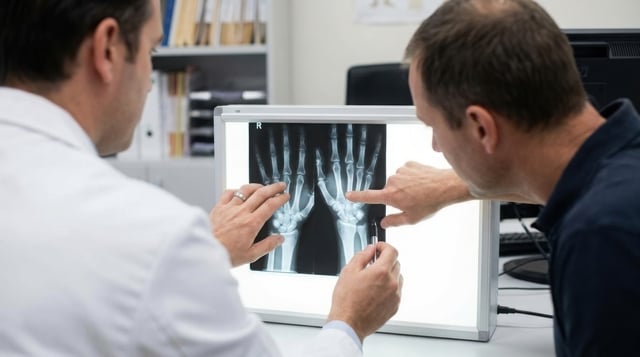
Rheumatoid arthritis (RA) can have a profound impact on daily life, but recognizing the early warning signs and seeking timely medical care can make a major difference. It often comes subtly, with symptoms that are easily mistaken for other health problems or even dismissed as normal aches and pains. However, understanding the importance of early detection and intervention is crucial, as prompt treatment has been shown to minimize joint damage and preserve quality of life.
As Dr. Jatin Patel notes, diagnosis complications and delays in care can lead to irreversible changes, but ongoing research and awareness are helping to close that gap. Collaboration among healthcare providers, patients, and support networks plays a key role in managing RA effectively, empowering those affected to take charge of their health and strive for the best possible outcomes.
What Is Rheumatoid Arthritis?
Rheumatoid arthritis is an autoimmune disorder in which the body’s immune system attacks healthy joints, leading to pain and swelling. Unlike osteoarthritis, which often affects older adults due to wear and tear, rheumatoid arthritis can develop at any age and tends to impact women more than men.
Early signs may include stiffness in the morning, swelling in the hands or wrists, and persistent fatigue. Some people notice difficulty performing daily activities, such as opening jars or walking long distances, as the disease progresses. Untreated RA can also affect other organs, such as the eyes or lungs, highlighting the importance of a comprehensive approach to diagnosis and management.

Why Detecting RA Early Makes a Difference
Catching rheumatoid arthritis in its earliest stages opens the door to more effective treatment. The sooner inflammation is brought under control, the less likely permanent joint damage will occur. Many patients who begin therapy quickly are able to maintain a more active lifestyle and avoid some of the physical limitations associated with advanced RA.
Delays in diagnosis, on the other hand, can lead to long-term joint changes and even disability. Everyday activities such as buttoning shirts or climbing stairs may become increasingly difficult as the disease advances. Early recognition and timely intervention can significantly impact long-term health, reducing pain and preserving overall quality of life. It’s not uncommon for untreated RA to contribute to feelings of frustration or isolation, underscoring how crucial early care can be for physical and emotional well-being.
Barriers to Early Diagnosis
Early rheumatoid arthritis often presents with symptoms that resemble other conditions, making it challenging for patients and healthcare providers to identify. Mild joint stiffness or general fatigue may be mistaken for signs of aging or a temporary illness. Some individuals may even attribute their discomfort to overuse or minor injuries, postponing a visit to the doctor. Cultural attitudes and differences in access to healthcare can further complicate the process, particularly in rural communities.
Laboratory tests and imaging can be helpful, but current diagnostic methods are not always definitive in the early stages. There is also a need for greater awareness among general practitioners to recognize subtle signs before obvious joint damage occurs. These obstacles contribute to delays in starting the specialized care that can slow or halt the progression of RA. The uncertainty and complexity of the diagnostic process can be frustrating for people seeking answers about their symptoms.
How Early Treatment Changes Outcomes
Starting therapy soon after symptoms appear can dramatically alter the course of rheumatoid arthritis. People who receive disease-modifying medications early often report less pain and fewer swollen joints, which means they’re able to stay engaged in work, hobbies, and family life. Medical studies have shown that early intervention not only eases daily symptoms but also lowers the risk of developing serious joint deformities. In some cases, early treatment can even prevent further joint destruction and reduce the risk of complications in other organ systems.
Timely treatment also boosts the effectiveness of medications, allowing some individuals to achieve periods of remission where symptoms all but disappear. Over time, this can help minimize the need for more aggressive therapies and reduce the risk of complications from long-standing inflammation. Sustained remission can mean fewer hospital visits, less reliance on pain medications, and improved overall well-being.
Ways to Improve RA Detection
Raising awareness among patients and healthcare professionals is vital to catching rheumatoid arthritis before it causes irreversible damage. Educational campaigns in community clinics and online platforms have helped some people recognize early warning signs, prompting them to seek care sooner. New blood tests and imaging techniques are making it possible to identify the disease at an earlier stage, offering hope for better long-term outcomes. Incorporating these diagnostic advances into routine screening could change how RA is managed in the future.
Efforts to improve early detection also include risk assessments for those with a family history of autoimmune diseases. Research is ongoing to refine screening methods, which could eventually lead to routine checks in high-risk populations. Collaboration between researchers and clinicians continues to drive innovations forward, with the goal of making early diagnosis more accessible and accurate.
Working Together in RA Management
Managing rheumatoid arthritis requires a team effort, with specialists, primary care providers, and patients all playing key roles. Open communication between healthcare professionals ensures that symptoms are tracked, medications are adjusted as needed, and complications are spotted early. Many people with RA benefit from learning self-management strategies, such as joint protection techniques and regular exercise routines, which help them maintain autonomy. These can empower patients to actively participate in their own care and adapt to changes in their health.
Support from family and friends, along with resources from patient organizations, can make navigating life with RA less overwhelming. Coordinated care and access to education empower individuals to make informed decisions and take an active role in their health journey. Sharing experiences through support groups or online communities can also provide valuable encouragement and practical advice for living with RA.
Disclaimer
Artificial Intelligence Disclosure & Legal Disclaimer
AI Content Policy.
To provide our readers with timely and comprehensive coverage, South Florida Reporter uses artificial intelligence (AI) to assist in producing certain articles and visual content.
Articles: AI may be used to assist in research, structural drafting, or data analysis. All AI-assisted text is reviewed and edited by our team to ensure accuracy and adherence to our editorial standards.
Images: Any imagery generated or significantly altered by AI is clearly marked with a disclaimer or watermark to distinguish it from traditional photography or editorial illustrations.
General Disclaimer
The information contained in South Florida Reporter is for general information purposes only.
South Florida Reporter assumes no responsibility for errors or omissions in the contents of the Service. In no event shall South Florida Reporter be liable for any special, direct, indirect, consequential, or incidental damages or any damages whatsoever, whether in an action of contract, negligence or other tort, arising out of or in connection with the use of the Service or the contents of the Service.
The Company reserves the right to make additions, deletions, or modifications to the contents of the Service at any time without prior notice. The Company does not warrant that the Service is free of viruses or other harmful components.