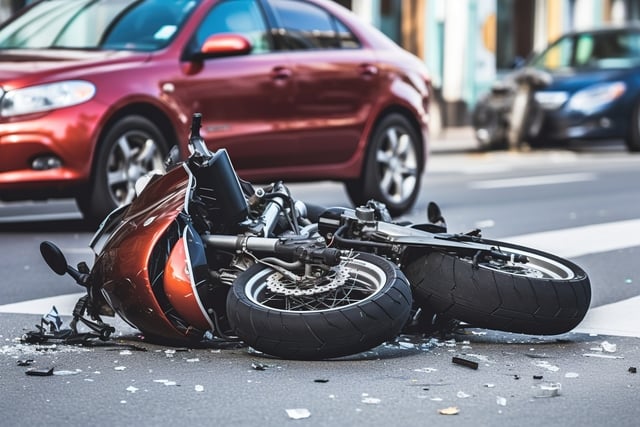
Motorcycle accidents often involve shared fault between the rider and another negligent driver too. Many riders wrongly assume that being partly at fault ends their chances of recovering. In reality, fault percentages can shift significantly, and full recovery may still be possible. Even riders found more than half at fault can sometimes still file a claim. The exact outcome depends heavily on the specific fault rules used in the state. This article explains exactly what riders should expect if fault is largely on them.
Understanding Comparative Fault in Motorcycle Accidents
California generally follows a pure comparative fault rule for most serious personal injury cases. This means riders can recover damages even if they share most of the blame. Complex fault disputes come up often, and Salamati Law Personal Injury Lawyer knows how to handle them. Their skilled attorneys know exactly how to argue effectively for a lower percentage of fault. They also gather strong evidence that clearly shifts more responsibility toward the other driver. Riders dealing with partial fault in a motorcycle accident deserve a clear legal explanation.
How Fault Percentage Affects Your Compensation

A rider’s total compensation is always reduced by their own percentage of assigned fault. If a rider is found 70 percent at fault, their damages drop quite significantly. This means a rider could still receive 30 percent of the total damages owed. Even a small reduction in fault percentage can meaningfully increase the final settlement amount. Solid evidence and thorough documentation often shape how a case turns out. This is exactly why fault percentage should never be accepted without careful independent review.
What Evidence Can Help Reduce Your Fault
Traffic camera footage can often help clarify exactly how a serious crash actually unfolded. Witness statements can strongly support a rider’s version of events at the actual scene. Police reports often include an initial assessment of fault that is worth reviewing closely. Photos of vehicle damage can often reveal important details about speed and overall impact. Accident reconstruction experts can offer a very detailed and technical view of the crash. Gathering this evidence early can strengthen a rider’s position before fault is fully decided.
Why Insurance Companies Dispute Fault Often
Insurance companies often benefit greatly and financially when a rider is assigned more fault. A higher fault percentage always means the insurer pays out significantly less total money. Adjusters may push very hard to assign riders more than half of the blame. This tactic can quietly and unfairly limit how much compensation a rider ultimately receives. Riders should never simply accept an insurer’s very first fault determination without pushing back. A careful review of the facts can often lower an unfairly high fault number.
Steps To Protect Your Claim After A Crash
Riders should document the entire crash scene thoroughly before evidence disappears or gets damaged. Avoiding early admissions of fault to insurers strongly protects a rider’s position later on. Keeping detailed notes about the crash helps preserve important facts over a long time. Speaking with an attorney early can help riders fully understand their realistic legal options. A thorough case review can often reveal facts that reduce a rider’s assigned fault. Taking these steps early can meaningfully improve the outcome of any fault dispute later.
Being partly at fault does not automatically end a rider’s chance at fair compensation. Small details can change the entire outcome of a case. It always helps to know the facts instead of assuming the worst right away. A little patience and the right guidance can change how a case turns out. Nobody expects to share blame after a crash, but it happens rather often too. Knowing your options early on can shape what happens later, so it pays to ask questions sooner.
Disclaimer
Artificial Intelligence Disclosure & Legal Disclaimer
AI Content Policy.
To provide our readers with timely and comprehensive coverage, South Florida Reporter uses artificial intelligence (AI) to assist in producing certain articles and visual content.
Articles: AI may be used to assist in research, structural drafting, or data analysis. All AI-assisted text is reviewed and edited by our team to ensure accuracy and adherence to our editorial standards.
Images: Any imagery generated or significantly altered by AI is clearly marked with a disclaimer or watermark to distinguish it from traditional photography or editorial illustrations.
General Disclaimer
The information contained in South Florida Reporter is for general information purposes only.
South Florida Reporter assumes no responsibility for errors or omissions in the contents of the Service. In no event shall South Florida Reporter be liable for any special, direct, indirect, consequential, or incidental damages or any damages whatsoever, whether in an action of contract, negligence or other tort, arising out of or in connection with the use of the Service or the contents of the Service.
The Company reserves the right to make additions, deletions, or modifications to the contents of the Service at any time without prior notice. The Company does not warrant that the Service is free of viruses or other harmful components.