Sudden Military Escalation
On Friday, the United States military launched massive airstrikes against Iranian targets. This sudden attack has shocked global leaders. It marks a dangerous turning point in the Middle East. The strikes hit several strategic locations inside Iran. U.S. aircraft targeted missile storage units and drone facilities. They also destroyed vital coastal radar sites.
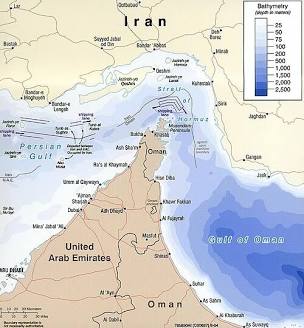
American officials called this action a powerful response. It follows a highly volatile incident from yesterday. On Thursday, Iranian forces attacked a civilian ship. This maritime strike happened in the Strait of Hormuz. The area is a critical pathway for global trade.
The renewed violence threatens a fragile peace process. Just last week, both nations signed an interim deal. That deal was supposed to stop the fighting. Now, that diplomatic agreement is in absolute tatters.

The Attack on the M/V Ever Lovely
The crisis began on Thursday afternoon. An international container ship was exiting the Persian Gulf. The vessel is named the M/V Ever Lovely. It flies under the flag of Singapore. The cargo ship carried highly valuable commercial goods. It was hugging the coast of Oman at the time.
Suddenly, four one-way attack drones approached the vessel. U.S. officials blamed Iran for launching the aircraft. The Islamic Revolutionary Guard Corps coordinated the raid. American defensive forces immediately jumped into action. They successfully knocked down three incoming drones.
However, a fourth drone bypassed the defenses. It struck the ship’s upper deck with great force. The explosion caused noticeable damage to the bridge. Fortunately, no crew members were injured or killed. The container ship managed to continue its journey. Yet, the political damage was already done. The attack was a clear challenge to maritime safety.
Washington Responds With Force
News of the drone strike reached Washington quickly. President Donald Trump reviewed the military options. He spoke to reporters in the Oval Office on Friday. Trump expressed deep anger over the maritime attack. He called it a foolish violation of the ceasefire.
“They shouldn’t be doing that,” Trump told reporters.
Journalists asked if the U.S. would respond. The president gave a brief and ominous reply. “You are going to find out,” Trump warned. Shortly after, U.S. Central Command authorized the strikes.
American fighter jets flew over the Persian Gulf. Refueling tankers supported the combat aircraft from above. A Navy patrol plane monitored the waters for threats. The military launched precision bombs at Iranian ports. Strikes were heavily reported near the town of Sirik. This coastal town holds important military assets. The operations lasted for about one single hour. U.S. officials confirmed the missions were successful. The targeted infrastructure suffered extensive damage.
The Shattered Peace Agreement
This clash breaks a brand-new diplomatic framework. On June 17, the two nations reached an agreement. President Trump and Iranian President Masoud Pezeshkian signed it. It was a historic memorandum of understanding. The deal established a strict 60-day ceasefire.
During this time, negotiators planned to discuss peace terms. They hoped to address Iran’s enriched uranium stockpile. They also wanted to reopen the shipping lanes. Iran had closed the strait during earlier conflicts. The closure caused global commodity prices to skyrocket. This new deal offered a glimmer of hope.
Under the agreement, ships could pass for free. Iran promised to use its best efforts for peace. Now, those peaceful efforts seem completely finished. Vice President JD Vance supported the military strikes. He posted a sharp message on social media. Vance stated that the U.S. honored the deal. He told Iran to use the telephone for disagreements.
“But violence will be met with violence,” Vance added.
Economic and Shipping Turmoil
The global economy is already feeling the shockwaves. The Strait of Hormuz is vital for oil transport. Passing through this narrow channel is necessary for global energy supplies. Nearly twenty percent of global petroleum passes here. Shipping confidence had started to recover this week. In fact, transit numbers reached a new wartime high.
Seventy-eight commercial vessels crossed the strait on Wednesday. Analysts expected the numbers to keep growing. Yesterday’s drone strike halted that positive momentum. The United Nations reacted swiftly to the danger. The International Maritime Organization manages regional evacuations. They were helping trapped ships leave the gulf safely.
Over one hundred ships had already escaped. However, five hundred vessels remain stuck in the area. The agency suspended all evacuation operations on Friday. They demand safety guarantees before resuming the work. Two oil tankers have already reversed their course. They refused to enter the dangerous waters. Insurance rates for cargo ships will likely surge. This will increase the cost of everyday goods globally.
Threats of Wider War
The situation could easily escalate into total war. Iran has promised to fight back against Washington. The Islamic Revolutionary Guard Corps issued a statement. They claimed they thwarted some American attacks. They warned that further U.S. aggression will bring retaliation. Their response will be swift and highly decisive. It will happen at a place of their choosing.
Iranian officials claim the U.S. violated international laws. They deny any wrongdoing regarding the cargo ship. Meanwhile, American forces remain on high alert. CENTCOM promised to protect all commercial shipping. More warships are moving toward the Persian Gulf.
Allies are calling for restraint on both sides. European leaders fear a massive energy crisis. A prolonged closure of the strait would be disastrous. Negotiators in Switzerland are trying to save the talks. But trust between the two sides is gone. The next few days will determine the outcome.
Regional Dynamics and Tactical Analysis
Regional powers are responding to the sudden updates. Oman is trying to mediate the maritime dispute. Their foreign minister plans to meet with Iranian officials. They want to discuss the management of the strait. Saudi Arabia has urged both sides to avoid escalation. They fear damage to their own oil infrastructure.
Israel is watching the developments very closely. They are currently engaged in separate regional conflicts. A wider war could impact multiple borders at once. Military experts are analyzing the tactical choices. The U.S. used precise standoff weapons for safety. This minimized the risk to American pilots.
Iran relies heavily on asymmetrical warfare tactics. They use swarms of cheap attack drones. These drones can overwhelm traditional naval defenses. The Ever Lovely incident proved this exact vulnerability. Navies must now adapt to these electronic threats.
Sources and Links:
- U.S. Central Command (CENTCOM): Official Public Release on Iran Strikes
- Al Jazeera: US strikes Iran in response to drone strike on commercial ship
- Associated Press (AP News): US strikes Iran in response to a drone attack on a ship
- Washington Examiner: US strikes Iran after attack on commercial ship in Strait of Hormuz
- Air & Space Forces Magazine: US Airstrikes Hit Iran After It Attacks Ship, Testing Deal
- Fox News: Iranian drone strikes Singapore-flagged cargo ship leaving Strait of Hormuz
Disclaimer
Artificial Intelligence Disclosure & Legal Disclaimer
AI Content Policy.
To provide our readers with timely and comprehensive coverage, South Florida Reporter uses artificial intelligence (AI) to assist in producing certain articles and visual content.
Articles: AI may be used to assist in research, structural drafting, or data analysis. All AI-assisted text is reviewed and edited by our team to ensure accuracy and adherence to our editorial standards.
Images: Any imagery generated or significantly altered by AI is clearly marked with a disclaimer or watermark to distinguish it from traditional photography or editorial illustrations.
General Disclaimer
The information contained in South Florida Reporter is for general information purposes only.
South Florida Reporter assumes no responsibility for errors or omissions in the contents of the Service. In no event shall South Florida Reporter be liable for any special, direct, indirect, consequential, or incidental damages or any damages whatsoever, whether in an action of contract, negligence or other tort, arising out of or in connection with the use of the Service or the contents of the Service.
The Company reserves the right to make additions, deletions, or modifications to the contents of the Service at any time without prior notice. The Company does not warrant that the Service is free of viruses or other harmful components.