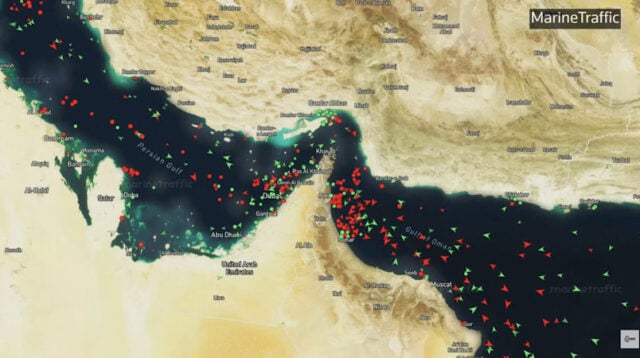
The United States and Iran have paused direct military strikes for a second consecutive day, creating a vital diplomatic opening as international mediators work tirelessly to salvage a fragile interim ceasefire agreement. The temporary halt in combat operations follows nearly two weeks of intense military escalation across the Middle East, initially triggered by dangerous armed clashes over commercial maritime traffic passing through the strategic Strait of Hormuz.
The U.S. naval blockade against Iran remains in full effect. As of July 25, CENTCOM has redirected 12 commercial vessels trying to run the blockade, disabled 2 that didn’t comply, and boarded 2 to ensure total compliance.
Earlier today, U.S. forces completed a verification… pic.twitter.com/eyp1N2B9sO
— U.S. Central Command (@CENTCOM) July 25, 2026
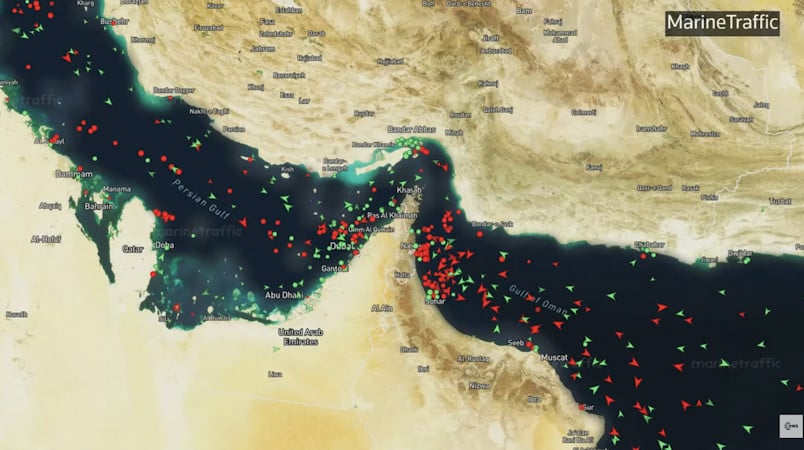
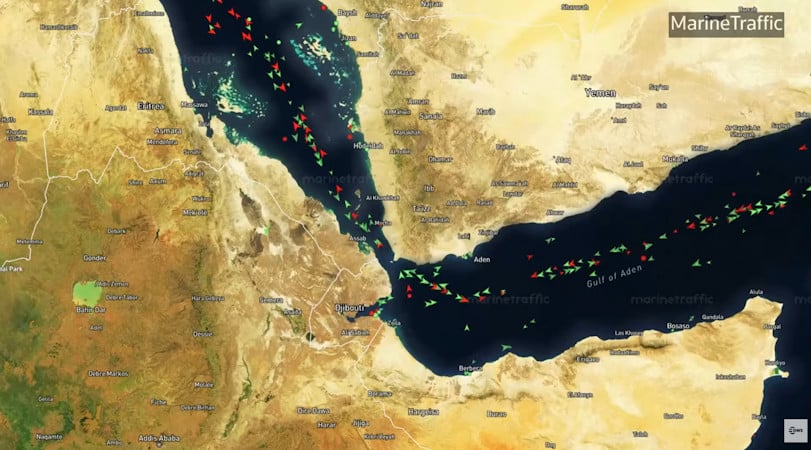
Diplomatic momentum centered around Omani diplomatic officials who conducted high-level discussions in Tehran over the weekend. According to Iranian Foreign Ministry spokesperson Esmaeil Baghaei, talks with the Omani delegation focused on developing operational mechanisms for managing safe vessel transit through the waterway while fully respecting regional territorial sovereignty. U.S. Ambassador to the United Nations Mike Waltz confirmed that President Donald Trump directed military forces to hold off on new airstrikes to give ongoing diplomatic negotiations room to succeed, emphasizing that discussions are currently underway at both the technical and executive levels.
The armed conflict escalated dramatically earlier this month after severe disputes erupted over designated shipping lanes in the Strait of Hormuz—a critical global chokepoint responsible for approximately one-fifth of daily worldwide petroleum shipments. Tehran claimed that U.S.-backed shipping corridors violated the core terms of an interim memorandum signed in mid-June, leading Iranian forces to fire upon commercial vessels. In response, Washington launched targeted precision strikes against coastal defense infrastructure in southern Iran while reinforcing its naval blockade. Retaliatory Iranian missile barrages subsequently targeted regional military installations housing American personnel across the Middle East.

While the temporary cessation of attacks offers a critical window for active mediation, substantial structural obstacles remain largely unresolved. White House Communications Director Steven Cheung reiterated that while a diplomatic resolution remains the administration’s preferred outcome, the United States military maintains complete operational readiness should hostile actions persist. Concurrently, international defense analysts caution that core disagreements concerning Iran’s nuclear enrichment program, Western sanctions relief, oil export waivers, and long-term maritime security protocols continue to pose significant hurdles toward securing a permanent peace deal.
Global energy markets reacted cautiously to the operational pause, with international crude oil benchmarks stabilizing near $100 per barrel following several consecutive days of acute price volatility. Regional diplomats express cautious optimism that establishing a mutually agreed transit framework in the Strait of Hormuz could effectively reduce immediate military friction, ultimately enabling both nations to return to structured, broad-based peace negotiations in the coming weeks.
Sources and Links:
- Financial Times: US pauses Iran strikes as Oman pursues Hormuz transit deal
- India Today: US-Iran pause attacks again as Hormuz ceasefire talks gain breathing room
- Wikipedia: 2026 Iran war ceasefire
Disclaimer
Artificial Intelligence Disclosure & Legal Disclaimer
AI Content Policy.
To provide our readers with timely and comprehensive coverage, South Florida Reporter uses artificial intelligence (AI) to assist in producing certain articles and visual content.
Articles: AI may be used to assist in research, structural drafting, or data analysis. All AI-assisted text is reviewed and edited by our team to ensure accuracy and adherence to our editorial standards.
Images: Any imagery generated or significantly altered by AI is clearly marked with a disclaimer or watermark to distinguish it from traditional photography or editorial illustrations.
General Disclaimer
The information contained in South Florida Reporter is for general information purposes only.
South Florida Reporter assumes no responsibility for errors or omissions in the contents of the Service. In no event shall South Florida Reporter be liable for any special, direct, indirect, consequential, or incidental damages or any damages whatsoever, whether in an action of contract, negligence or other tort, arising out of or in connection with the use of the Service or the contents of the Service.
The Company reserves the right to make additions, deletions, or modifications to the contents of the Service at any time without prior notice. The Company does not warrant that the Service is free of viruses or other harmful components.