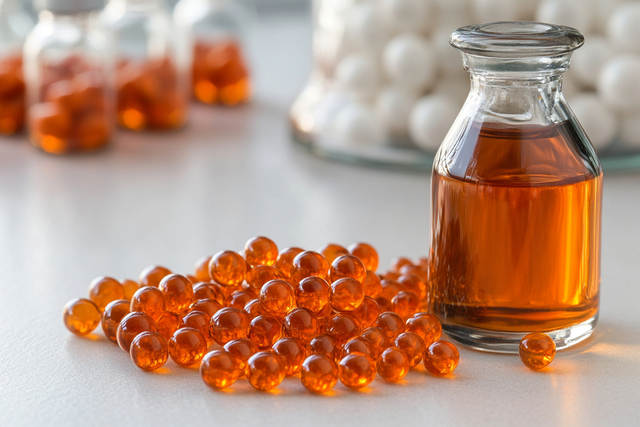
Cod liver oil has earned its reputation as one of the most nutrient-dense supplements available, delivering not just omega-3 fatty acids EPA and DHA, but also naturally occurring vitamins A and D. Unlike standard fish oil supplements that are extracted from fish flesh, cod liver oil comes specifically from cod livers, which concentrate these fat-soluble vitamins alongside the beneficial omega-3s. This unique combination makes it especially valuable for anyone looking to support heart health, brain function, immune system performance, and bone density from a single source.
With dozens of brands on the market—from liquid formulas to softgel capsules, fermented oils to standard extracts—choosing a high-quality cod liver oil requires understanding what separates genuine quality from marketing claims. We evaluated the top products based on omega-3 potency (EPA and DHA content per serving), vitamin A and D levels, sourcing and sustainability practices, third-party testing certifications, freshness protocols, flavor options, and overall value.
Here’s our ranking of the best cod liver oil supplements available in 2026.
1. Carlson Labs Cod Liver Oil
Carlson Labs has been producing cod liver oil since 1965, and after six decades of refinement, their flagship liquid formula remains the benchmark for potency and testing rigor. Each teaspoon delivers 1,100 mg of omega-3 fatty acids—one of the highest concentrations among liquid cod liver oils—along with naturally occurring vitamins A and D. The oil is sourced from wild-caught Norwegian Arctic cod using traditional, sustainable methods, then processed and bottled the same day the fish are caught to preserve freshness.

What sets Carlson Labs apart is the rigorous testing protocol. Every batch is analyzed by an FDA-registered laboratory for freshness, potency, and purity, and the company participates in the International Fish Oil Standards (IFOS) program—a voluntary third-party certification that rates fish oils on parameters including heavy metal content, PCB levels, and oxidation. Carlson has earned a five-star IFOS rating on more than 30 of its omega-3 products. The liquid is bottled with vitamin E and given a nitrogen flush to prevent oxidation, helping preserve the delicate omega-3 fatty acids over time.
The formula is available in four flavors—lemon, green apple, fruit splash, and natural—making it accessible for those sensitive to fishy taste. Carlson also operates under a plastic-neutral pledge, offsetting the plastic in its products through certified removal projects.
The primary trade-off: liquid cod liver oil requires refrigeration after opening and should ideally be consumed within 100 days. The 250 mL bottle retails for $38.90, while the 500 mL runs $72, positioning it as a premium but well-justified investment for anyone prioritizing third-party verified omega-3 dosing.
2. Nordic Naturals Arctic Cod Liver Oil
Nordic Naturals has built a reputation as the number-one-selling fish oil brand in the United States, and its Arctic Cod Liver Oil is a cornerstone product. The liquid formula provides 1,060 mg of total omega-3s per teaspoon, including 340 mg EPA and 510 mg DHA, sourced exclusively from 100% wild Arctic cod caught off the Norwegian coast. The oil is processed in the triglyceride form—the molecular structure naturally found in fish—which Nordic Naturals claims supports better absorption compared to the ethyl ester forms used by some competitors.
The oil is third-party tested and Friend of the Sea certified, and the company operates a zero-waste facility powered by biofuel. Nordic Naturals offers the liquid in lemon, orange, strawberry, and unflavored varieties, all with a light, fruity taste designed to mask any fishiness. The softgels are lemon-flavored and chewable, which is particularly helpful for people who have trouble swallowing pills.
The main trade-off is price: Nordic Naturals typically runs $5 to $10 more per comparable volume than Carlson Labs, and the liquid must be refrigerated and used within three months of opening. The 8 oz liquid bottle retails around $27, while the 180-softgel jar (60 servings) runs approximately $40.
3. Rosita Real Foods Extra Virgin Cod Liver Oil
Rosita positions itself as the only truly raw, unprocessed cod liver oil on the market. The company uses a rare, generations-old cold-extraction technique that relies on a gentle temperature shift rather than heat, chemicals, or mechanical processing to separate oil from cod livers. Fish are caught using hook-and-line methods off the coast of northern Norway, and the oil is bottled within 48 hours of the catch.
Because Rosita’s oil is unheated and unrefined, it retains all naturally occurring nutrients in the proportions found in wild cod—no synthetic vitamins are added. The downside is that nutrient levels can vary batch to batch based on seasonal feeding cycles, and the oil has a stronger, fishier taste than flavored alternatives.
Rosita is also one of the more expensive options. The 150 mL liquid bottle retails around $50 to $60, and it takes nine softgels to equal one teaspoon of the liquid, making the capsule format less economical for high-dose users.
4. Now Foods Cod Liver Oil Softgels
Now Foods offers a straightforward, budget-friendly cod liver oil in softgel form. Each serving (two softgels) provides approximately 200 mg of combined EPA and DHA, along with vitamins A and D. The oil is molecularly distilled to remove contaminants, and Now Foods tests for heavy metals, PCBs, and other impurities. While the omega-3 concentration is lower than premium brands, the price point—typically under $15 for a 250-softgel bottle—makes it accessible for those new to supplementation or working within a tight budget.
Now Foods is GMP-certified and has been in the supplement industry since 1968, lending credibility to their quality control processes. The softgels are easy to swallow and have minimal fishy aftertaste. However, the lower omega-3 dose means users would need to take more capsules daily to match the potency of Carlson or Nordic Naturals products.
5. Garden of Life Olde World Icelandic Cod Liver Oil
Garden of Life markets its Olde World Icelandic Cod Liver Oil as a “whole food” supplement sourced from wild-caught cod in pristine Icelandic waters. The liquid formula provides approximately 1,050 mg of omega-3s per teaspoon, similar to Carlson and Nordic Naturals. Garden of Life emphasizes minimal processing and no synthetic vitamins, positioning the product for consumers seeking clean-label supplements.
The oil is available in orange and lemon flavors, both designed to minimize fishy taste. The primary drawback is limited third-party testing transparency compared to IFOS-certified brands. The 8 oz bottle retails around $30 to $35.
6. Sports Research Antarctic Krill Oil (Plant-Based Alternative)
For those seeking a non-cod, non-fish alternative, Sports Research offers Antarctic Krill Oil softgels. While not technically cod liver oil, krill oil provides EPA and DHA in phospholipid form, which some research suggests may be more bioavailable than triglyceride-form fish oils. Each serving (two softgels) delivers approximately 360 mg of omega-3s, plus astaxanthin, a potent antioxidant.
Krill oil doesn’t contain vitamins A and D naturally, so it’s not a direct replacement for cod liver oil’s unique nutrient profile. Sports Research is third-party tested and MSC-certified for sustainable sourcing. The product retails around $25 to $30 for a 60-softgel bottle.
7. Wiley’s Finest Wild Alaskan Fish Oil
Wiley’s Finest produces fish oil from wild-caught Alaskan pollock, and while their product line includes standard fish oil rather than true cod liver oil, their Peak EPA formula provides concentrated omega-3s (750 mg per softgel) at a competitive price. The product is certified sustainable by the Marine Stewardship Council and is NSF-certified for sport, making it a trusted option among athletes. The 60-softgel bottle retails around $30 to $35.
What to Look for in a Cod Liver Oil Supplement
Omega-3 Content
Check the label for the actual EPA and DHA amounts per serving, not just “total fish oil.” Quality products should provide at least 500 to 1,100 mg of combined EPA and DHA per teaspoon (for liquids) or per daily serving (for softgels). The National Institutes of Health notes that many health organizations suggest 250 to 500 mg of combined EPA and DHA for general health maintenance.
Third-Party Testing
Look for products certified by independent testing programs like IFOS (International Fish Oil Standards), NSF International, or USP. These certifications verify purity, potency, and freshness. Third-party testing provides independent verification beyond a manufacturer’s internal quality control.
Source and Sustainability
Prioritize cod liver oil from cold-water, wild-caught fish sourced from clean environments. Norwegian Arctic cod and Icelandic cod are preferred sources due to the pristine waters and well-managed fisheries. Look for certifications like Friend of the Sea or Marine Stewardship Council that confirm sustainable fishing practices.
Vitamin A and D Levels
Cod liver oil naturally contains vitamins A and D, which contribute to bone health, immune function, and vision support. However, because these are fat-soluble vitamins that accumulate in the body, check the label to avoid exceeding upper intake limits—especially if you’re taking other supplements or a multivitamin. The recommended dietary allowance for vitamin A is 900 mcg for adult men and 700 mcg for adult women, with an upper tolerable limit of 3,000 mcg daily.
Freshness and Storage
Omega-3 fatty acids are highly susceptible to oxidation, which degrades their nutritional value and creates off-flavors. Quality manufacturers use nitrogen flushing, antioxidants like vitamin E, and amber or dark glass bottles to protect the oil. Liquid cod liver oils should be refrigerated after opening and consumed within 90 to 100 days.
Liquid vs. Softgel: Which Format Is Better?
Both formats have advantages. Liquid cod liver oil typically offers better value per serving and allows for precise dosing. It’s ideal for families or anyone taking therapeutic doses. Softgels provide convenience, portability, and no taste, making them perfect for travel or anyone who dislikes the flavor of fish oil.
Frequently Asked Questions
Is cod liver oil the same as fish oil?
No. While both provide omega-3 fatty acids EPA and DHA, cod liver oil is extracted specifically from cod livers and naturally contains vitamins A and D. Standard fish oil is extracted from the flesh or tissues of various fatty fish and typically doesn’t include these fat-soluble vitamins unless they’re added synthetically.
Can you take too much cod liver oil?
Yes. Because cod liver oil contains vitamins A and D, excessive intake can lead to toxicity. Symptoms of vitamin A toxicity include nausea, dizziness, and in severe cases, liver damage. Always follow dosage instructions and consult a healthcare provider if you’re taking other supplements that contain vitamins A or D.
How should cod liver oil be stored?
Liquid cod liver oil should be refrigerated after opening and consumed within 90 to 100 days to prevent oxidation. Softgels can be stored at room temperature in a cool, dark place.
Does cod liver oil help with joint pain?
Omega-3 fatty acids have anti-inflammatory properties that may help reduce joint stiffness and discomfort, particularly in individuals with arthritis. Multiple studies have shown that EPA and DHA can help modulate inflammatory pathways in the body.
Can children take cod liver oil?
Yes, cod liver oil can be appropriate for children, and many brands offer kid-specific formulas with adjusted dosing. For children under 12 months, consult a pediatrician before starting any supplement.
The Bottom Line
Cod liver oil remains one of the most nutrient-dense supplements available, offering a unique combination of omega-3 fatty acids and naturally occurring vitamins A and D. For potency, third-party testing, and overall quality, Carlson Labs sets the standard with its IFOS-certified formula delivering 1,100 mg of omega-3s per teaspoon from wild-caught Norwegian Arctic cod. Nordic Naturals offers a comparable product with slightly lower omega-3 content but exceptional sustainability practices and a well-established brand reputation. Rosita appeals to those seeking the most minimally processed option, though its higher price and fishy taste may limit its audience.
For anyone new to cod liver oil or working within a budget, Now Foods provides a solid entry point. Ultimately, the best cod liver oil is the one you’ll take consistently. Whether you prioritize potency, taste, sustainability, or price, there’s a quality option available to support your health goals in 2026.
Disclaimer
Artificial Intelligence Disclosure & Legal Disclaimer
AI Content Policy.
To provide our readers with timely and comprehensive coverage, South Florida Reporter uses artificial intelligence (AI) to assist in producing certain articles and visual content.
Articles: AI may be used to assist in research, structural drafting, or data analysis. All AI-assisted text is reviewed and edited by our team to ensure accuracy and adherence to our editorial standards.
Images: Any imagery generated or significantly altered by AI is clearly marked with a disclaimer or watermark to distinguish it from traditional photography or editorial illustrations.
General Disclaimer
The information contained in South Florida Reporter is for general information purposes only.
South Florida Reporter assumes no responsibility for errors or omissions in the contents of the Service. In no event shall South Florida Reporter be liable for any special, direct, indirect, consequential, or incidental damages or any damages whatsoever, whether in an action of contract, negligence or other tort, arising out of or in connection with the use of the Service or the contents of the Service.
The Company reserves the right to make additions, deletions, or modifications to the contents of the Service at any time without prior notice. The Company does not warrant that the Service is free of viruses or other harmful components.