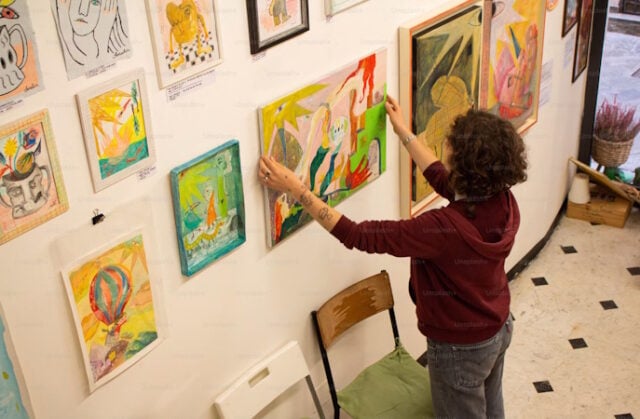
Across cities and towns, investing in local arts has proven to be a catalyst for transformation, creating spaces where creativity flourishes, and community bonds are strengthened. Financial support from philanthropists, alumni, and public entities enables arts organizations to launch new projects, revitalize neighborhoods, and foster camaraderie among residents.
As these efforts multiply, they generate positive ripple effects—stimulating local economies, attracting audiences, and inspiring future generations of artists and supporters. By exploring different models and strategies, John Chen showcases how communities can continue to expand participation and secure lasting momentum for their local arts scenes.
Philanthropy’s Influence on Local Arts
Philanthropy plays a vital role in ensuring the survival of local arts communities by providing crucial financial resources. Without these contributions, many organizations would struggle to present programming or maintain operations.
Support from foundations and individual donors has helped transform neighborhoods by funding theaters, galleries, and music venues. A notable case is the revitalization of Pittsburgh’s Cultural District, where coordinated philanthropic investments transformed a declining area into a thriving arts hub, drawing visitors and artists alike. Some cities have seen similar turnarounds, highlighting the pivotal role that targeted donations can have in shaping a region’s identity.

Economic and Social Outcomes of Arts Support
Investment in the arts often acts as a catalyst for local economies, generating jobs, stimulating tourism, and supporting small businesses in the surrounding areas. Cities that prioritize arts funding tend to see boosted foot traffic in cultural districts, with restaurants and shops benefiting from the influx of visitors.
Beyond the economic impact, public murals, festivals, and performances serve as gathering points, encouraging dialogue and connection among residents. This blend of financial and social returns demonstrates the multifaceted value of supporting the arts at the local level. The success of such initiatives is often reflected in vibrant neighborhoods, where creativity weaves seamlessly into daily life and strengthens communal ties.
Alumni Engagement in Community Arts
Alumni networks have become powerful allies in advancing community arts initiatives. By connecting graduates with local organizations, many institutions have witnessed the launch of new programs and events that energize current residents and alumni. These connections often establish pipelines for mentorship and skill-sharing, which can be priceless for emerging artists.
One such example is when university graduates return to their hometowns to launch arts workshops or mentor young artists, strengthening the bond between educational institutions and their communities. The involvement of alumni has been known to spark intergenerational collaborations, further enhancing the vibrancy of local arts.
Collaborative Models
When philanthropists, arts organizations, and alumni work together, the results can be transformative. Shared projects often lead to innovative programming, such as cross-disciplinary festivals or artist-in-residence initiatives that might not have been possible through isolated efforts. In some cities, partnerships between local businesses and arts councils have breathed new life into underused public spaces, turning them into vibrant venues.
Collaboration magnifies the reach and impact of every dollar invested, as pooled resources and networks generate fresh ideas and broader community participation. Joint ventures have introduced new audiences to the arts while simultaneously strengthening relationships across sectors.
Strategies for Expanding Support and Participation
Outreach is essential for attracting new supporters and increasing engagement within the community. Hosting open studios, interactive workshops, and donor appreciation events can attract new audiences while ensuring existing supporters feel valued. Tailoring engagement efforts to local interests, such as neighborhood art walks or community mural projects, can also create a strong sense of ownership and excitement.
Digital platforms now play a crucial role in expanding participation, offering virtual tours, online auctions, and crowdfunding drives that connect artists and patrons beyond geographic boundaries. By embracing traditional and digital strategies, the arts can reach broader audiences and inspire lasting involvement. Online engagement has made it possible for rural and remote communities to participate in cultural events they might otherwise miss.
Assessing Results and Maintaining Momentum
Measuring the impact of philanthropic and alumni support ensures that resources are being used effectively and that community needs are met. Surveys, attendance records, and economic data reveal how investments translate into real-world outcomes, from increased audience numbers to neighborhood revitalization. Ongoing evaluation also allows organizations to refine their strategies and adapt to new challenges.
Regularly sharing these successes keeps donors and participants informed and inspired, fostering a cycle of ongoing support. As positive results accumulate, arts organizations gain credibility and can attract new champions, helping sustain momentum for years to come.
Disclaimer
Artificial Intelligence Disclosure & Legal Disclaimer
AI Content Policy.
To provide our readers with timely and comprehensive coverage, South Florida Reporter uses artificial intelligence (AI) to assist in producing certain articles and visual content.
Articles: AI may be used to assist in research, structural drafting, or data analysis. All AI-assisted text is reviewed and edited by our team to ensure accuracy and adherence to our editorial standards.
Images: Any imagery generated or significantly altered by AI is clearly marked with a disclaimer or watermark to distinguish it from traditional photography or editorial illustrations.
General Disclaimer
The information contained in South Florida Reporter is for general information purposes only.
South Florida Reporter assumes no responsibility for errors or omissions in the contents of the Service. In no event shall South Florida Reporter be liable for any special, direct, indirect, consequential, or incidental damages or any damages whatsoever, whether in an action of contract, negligence or other tort, arising out of or in connection with the use of the Service or the contents of the Service.
The Company reserves the right to make additions, deletions, or modifications to the contents of the Service at any time without prior notice. The Company does not warrant that the Service is free of viruses or other harmful components.