Choosing the right way to establish a new lawn can have a major impact on its appearance, maintenance needs, budget, and long-term performance. Hydroseeding and sod are two popular options, but each approach has different advantages to consider. Understanding how they compare in cost, installation, setup, watering, appearance, and maintenance can help property owners make a confident decision. The best choice ultimately depends on the property’s conditions, timeline, and lawn goals.
Understand How Hydroseeding Works
Hydroseeding is a lawn establishment method that combines grass seed with water, mulch, fertilizer, and other components designed to encourage healthy germination. The mixture is sprayed across prepared soil, creating an even layer over the planting area. This method allows grass seed to be distributed efficiently across large or uneven spaces while helping protect the seed from certain environmental conditions. Because the mixture can cover substantial areas relatively quickly, hydroseeding can be an efficient choice for new lawns of many sizes. It also provides flexibility because different grass seed blends can be selected based on climate, sunlight, soil conditions, and desired lawn characteristics. Once installed, the lawn requires appropriate care while the grass establishes its root system.
One of the biggest benefits of hydroseeding is that it creates a lawn from seed rather than installing mature grass. This allows the roots to develop in the soil where the grass will ultimately grow, thereby supporting strong establishment over time. The mulch included in the hydroseed mixture helps retain moisture around the seed and protect it during the early stages of growth. Hydroseeding can be particularly useful for properties with large areas needing grass coverage or for spaces with slopes and challenging contours. The application can also provide relatively uniform coverage when the site has been properly prepared. However, patience is important because the lawn needs time to germinate and become established.
Consider the Immediate Results of Sod
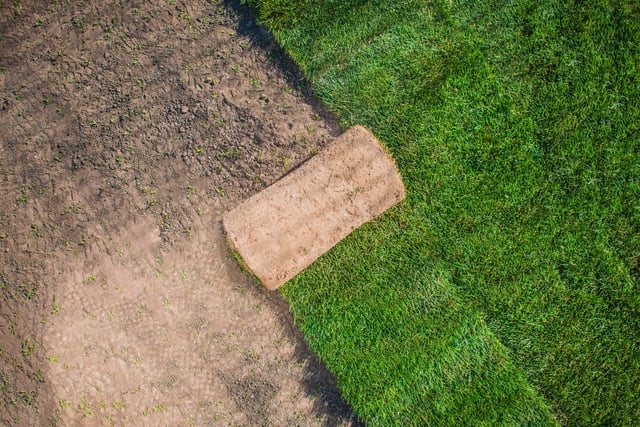
Sod provides a very different approach because it consists of established grass that has already been grown and rooted before being harvested and transported to the installation site. Once properly placed on prepared soil, sod can create an instantly green appearance that dramatically changes the look of a property. This makes sod particularly appealing when homeowners or property managers want a finished appearance without waiting for seeds to germinate. The grass still needs time to establish roots in its new location, so installation is not the end of the lawn care process. Proper watering and attention during the early establishment period are essential for helping the sod adapt to its new environment. Nevertheless, the immediate visual transformation is one of sod’s most noticeable advantages.

Sod can also be useful when a property needs a functional lawn within a relatively short timeframe. A newly installed lawn made from sod can generally be walked around carefully once it has had an opportunity to begin rooting, although the exact timing depends on conditions and installation practices. The pre-grown grass also eliminates many of the early uncertainties associated with seed germination. However, sod installation requires careful preparation and placement to ensure the pieces fit tightly together and make good contact with the underlying soil. Gaps, uneven surfaces, or insufficient watering can interfere with establishment. Choosing quality sod and having it installed correctly can make a significant difference in the finished lawn.
Compare the Cost of Hydroseeding and Sod
Budget is one of the most important factors to evaluate before choosing between hydroseeding and sod. Hydroseeding typically has a lower initial material cost because the process uses grass seed rather than rolls or slabs of established turf. This can make it attractive for property owners who need to cover a large area while keeping installation expenses manageable. According to This Old House, sod pallets cost 70% more than hydroseeding. While exact project costs vary based on lawn size, grass variety, site preparation, labor, and local conditions, the difference in material expense can be significant. Comparing estimates for the entire project rather than focusing only on the price of grass is the best way to evaluate the investment.
Sod may cost more initially, but the additional expense can provide benefits that matter to some property owners. The immediate green appearance may reduce the amount of time a property looks unfinished, which can be valuable when preparing a home for sale or completing a larger landscaping project. Hydroseeding may offer a more economical starting point, but it requires an establishment period before the lawn reaches a mature appearance. Property owners should also consider ongoing maintenance costs for watering, mowing, fertilizing, and addressing potential problem areas. A professional evaluation of the property can help determine which option makes the most financial sense. Looking at both immediate and long-term costs creates a more accurate comparison.
Think About How Quickly You Need a Lawn
Your desired timeline can make one option more appealing than the other. Sod provides an immediate green surface, making it a strong choice when appearance is a high priority. Hydroseeding takes longer because the grass must germinate, develop roots, and fill in the lawn. With hydroseeding, grass should start to grow within seven days, and the new lawn will be well established within three to four weeks. Actual results can vary depending on weather, soil conditions, seed selection, watering, and other factors. This establishment period should be included in any landscaping schedule, particularly when the lawn is part of a larger outdoor renovation.
If there is no immediate deadline, hydroseeding can provide an excellent opportunity to establish a lawn while keeping initial expenses lower. The gradual growth process can also allow the lawn to develop naturally in its growing environment. On the other hand, property owners who need a finished-looking lawn quickly may prefer the instant visual results of sod. Consider upcoming events, property listings, seasonal weather, and other landscaping projects when determining how much time is available. A realistic timeline can prevent disappointment and help ensure the chosen installation method matches expectations. The right choice is not necessarily the fastest method but the one that fits the project’s overall schedule.
Evaluate Your Property’s Conditions
The property’s characteristics should play a major role in deciding between hydroseeding and sod. Consider factors such as sunlight exposure, soil quality, drainage, slope, lawn size, and local climate before choosing a grass establishment method. Hydroseeding can be especially useful for covering large or irregular areas because the mixture can be sprayed across spaces that may be difficult to cover with individual pieces of sod. Sod can also be installed on a variety of properties, but transporting and placing large quantities of turf may require more planning. Soil preparation is important for both methods because grass needs suitable conditions for healthy root development. Addressing grading, drainage, soil quality, and other site concerns before installation can improve the results regardless of which option is selected.
Grass variety is another important consideration because different types of turf have different requirements. For example, St. Augustine grass is commonly used in warm climates and has specific mowing recommendations. According to the University of Florida, standard varieties of St. Augustine sod should be cut to a height of three-and-a-half to four inches. Understanding the recommended mowing height and other care requirements for the selected grass can help property owners plan for long-term maintenance. The right grass should be compatible with the property’s growing conditions rather than chosen solely for its appearance. Evaluating these factors before installation can help produce a lawn that remains healthy beyond its initial establishment.
Consider Watering and Establishment Requirements
Both hydroseeded lawns and sod require consistent attention while establishing, but their early care can differ. Hydroseeded grass requires sufficient moisture to support germination and early growth, so watering schedules are particularly important during the initial stages. The seed must remain adequately moist without creating conditions that encourage runoff or other problems. Sod also requires thorough watering after installation so the roots can establish contact with the soil beneath it. Weather conditions can influence watering needs for either option, particularly during periods of high temperatures, wind, or limited rainfall. Following an appropriate maintenance schedule can help protect the investment in a new lawn.
Property owners should also think about who will maintain the lawn after installation. A new lawn needs more than occasional mowing to become established successfully. Watering, mowing at the appropriate height, fertilization, and attention to changing conditions can all influence long-term results. Hydroseeding requires patience during the early growth period, while sod requires careful attention as the turf develops roots in its new location. Establishment practices can vary depending on the grass variety and local environment. Discussing these requirements with an experienced lawn care provider can make it easier to understand what the property will need after installation.
Look at Long-Term Lawn Appearance
The ultimate goal of either method is a healthy, attractive lawn that fits the property. Hydroseeding can provide a uniform lawn when the seed mixture is properly selected and applied, while sod offers an immediately consistent appearance from the beginning. Over time, however, the quality of the lawn depends heavily on soil conditions, grass selection, watering, mowing, fertilization, and other maintenance practices. A poorly maintained sod lawn can struggle just as a poorly maintained hydroseeded lawn can. The installation method is only one part of creating a successful landscape. Long-term care should therefore be considered alongside the initial installation decision.
Property owners should also think about how the lawn will be used. A yard that receives frequent foot traffic may have different needs than a primarily decorative landscape. Families with children, homeowners who entertain outdoors, and properties with pets may want to prioritize grass varieties and maintenance strategies that can handle their specific level of use. Discussing expected lawn activity before installation can help determine which grass and establishment method are most appropriate. It may also help identify areas where additional landscaping features could reduce pressure on the turf. A thoughtful approach can produce a lawn that is attractive while remaining practical for everyday use.
Make the Choice Based on Your Priorities
There is no universal winner when comparing hydroseeding and sod. Hydroseeding can be an economical choice for large areas and allows grass to establish from seed, while sod provides an immediate green appearance and can shorten the time needed to achieve a finished look. Cost, timeline, property conditions, grass variety, watering requirements, and long-term maintenance should all be part of the decision. Getting a detailed estimate and discussing the property’s specific characteristics can help clarify which approach makes the most sense. With proper preparation and ongoing care, either method can provide the foundation for an attractive lawn. Choosing based on the property’s needs rather than simply selecting the most familiar option can lead to better long-term results.
Disclaimer
Artificial Intelligence Disclosure & Legal Disclaimer
AI Content Policy.
To provide our readers with timely and comprehensive coverage, South Florida Reporter uses artificial intelligence (AI) to assist in producing certain articles and visual content.
Articles: AI may be used to assist in research, structural drafting, or data analysis. All AI-assisted text is reviewed and edited by our team to ensure accuracy and adherence to our editorial standards.
Images: Any imagery generated or significantly altered by AI is clearly marked with a disclaimer or watermark to distinguish it from traditional photography or editorial illustrations.
General Disclaimer
The information contained in South Florida Reporter is for general information purposes only.
South Florida Reporter assumes no responsibility for errors or omissions in the contents of the Service. In no event shall South Florida Reporter be liable for any special, direct, indirect, consequential, or incidental damages or any damages whatsoever, whether in an action of contract, negligence or other tort, arising out of or in connection with the use of the Service or the contents of the Service.
The Company reserves the right to make additions, deletions, or modifications to the contents of the Service at any time without prior notice. The Company does not warrant that the Service is free of viruses or other harmful components.