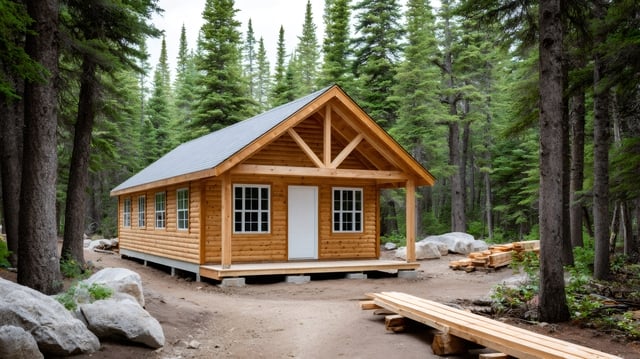
After a long day outdoors, a hunting cabin should feel like a welcome retreat. But it’s hard to relax when your boots are dripping onto the floor, the room is freezing, and there’s nowhere comfortable to sit. A cabin doesn’t need expensive furniture or fancy amenities to feel inviting. It just needs to work well for the people using it.
Whether you’re setting up a new cabin or improving one you’ve had for years, a few thoughtful changes can make weekend trips considerably more enjoyable. The trick is to focus on the things you’ll actually use, rather than filling the space with equipment and furniture that looks good but gets in the way.
Start With a Layout That Makes Sense
Before buying furniture, think about how you’ll move around the cabin. Where will you leave your boots when you come inside? Is there enough room to prepare dinner without moving everyone’s bags? Can someone get up early without disturbing the entire group?
These questions matter more than the square footage. A small cabin with a sensible layout can feel surprisingly spacious, while a larger one quickly becomes uncomfortable when every corner is filled with furniture.

If you’re starting from scratch, the cabin itself matters just as much as its interior. For a practical weekend retreat without a full-scale construction project, prefab hunting cabins are worth considering. Different sizes and layouts make it easier to plan around your sleeping and storage needs.
Once the layout is settled, multi-purpose furniture can help you make the most of it. A bench with storage underneath can hold extra blankets, while a folding table provides room for meals without permanently taking up floor space. Keep the path between the entrance, beds, and kitchen clear. Nobody wants to navigate an obstacle course on their way to the bathroom at night.
Make Sleeping Arrangements a Priority
A good night’s sleep can make the difference between enjoying an early morning outdoors and spending it wishing you’d stayed home. Fortunately, improving sleeping arrangements doesn’t necessarily mean investing in expensive bedroom furniture.
Start with a supportive mattress. If the cabin is shared by several people, bunk beds can save considerable space, although they should be sturdy, properly installed, and suitable for the people using them. A daybed or convertible sofa may work better in a smaller cabin that occasionally accommodates an extra guest.
Bedding deserves some attention, too. Temperatures can change significantly overnight, particularly in wooded or remote locations. Layering sheets, blankets, and comforters allows guests to adjust without needing an entirely different bedding setup for each season.
Blackout curtains can help when someone wants to sleep past sunrise, while a small reading light beside each bed makes late-night movement less disruptive. Keep spare pillows and clean bedding in sealed storage containers to protect them from dust and moisture between visits.
It’s also worth resisting the temptation to squeeze in as many beds as possible. A cabin where everyone has somewhere to sleep but nobody has room to put down a bag isn’t particularly comfortable.
Keep the Cabin Warm, Dry, and Well-Ventilated
Weather has a way of revealing a cabin’s weaknesses. A drafty window might go unnoticed during a mild afternoon, only to become everyone’s main concern once the temperature drops.
Check doors and windows for gaps, and use appropriate weatherstripping where needed. Proper insulation helps maintain a more comfortable indoor temperature, but the right approach depends on the building’s construction and local climate.
Heating requires more careful planning. Any wood stove or fuel-burning heater should be approved for the intended installation, professionally installed where required, and properly vented and maintained. Working smoke and carbon monoxide alarms are essential.
The Centers for Disease Control and Prevention warns that carbon monoxide can accumulate from improperly used fuel-burning equipment. Never operate portable generators or outdoor camp stoves inside a cabin – generators belong outdoors, at least 20 feet from doors, windows, and vents.
Moisture is another common problem, especially when several people return with wet jackets and muddy boots. A durable entrance mat, washable rugs, and a designated drying area can prevent much of the mess from spreading.
Allow damp clothing to dry in a properly ventilated space, away from heaters and other ignition sources. If the cabin develops a persistent musty smell, investigate possible leaks or condensation rather than simply covering the odor with air freshener.
Set Up a Simple Kitchen and Dining Area
Weekend cooking rarely requires a fully equipped kitchen. Most people are perfectly happy with hot coffee, a decent breakfast, and something satisfying to eat after spending hours outside.
A compact kitchen area with a reliable food-preparation surface, basic cookware, and easy-to-clean storage will cover most needs. Choose dishes and utensils that can handle regular use, and keep frequently needed items within reach.
If the cabin has electricity, a small refrigerator, electric kettle, or microwave can simplify meals. For off-grid properties, plan how to keep food cold and how to supply drinking water. Keep outdoor cooking equipment outdoors, and ensure any indoor cooking appliance is specifically approved and installed for that use.
Food storage deserves particular attention in wooded areas. The National Park Service explains that improperly stored food and garbage can attract wildlife and create dangerous situations for both animals and people. Follow local wildlife guidance, especially in bear country, and never assume an ordinary cooler will keep animals out.
For dining, a small table with two or three chairs is often enough. If space is limited, a wall-mounted folding table can provide somewhere to eat, play cards, or review the next day’s plans without dominating the room.
If you’re still figuring out what food and supplies to bring, these tips for planning your first camping expedition offer a useful starting point for organizing meals and other outdoor essentials.
And don’t underestimate the value of decent lighting above the table. Preparing dinner by the beam of a flashlight loses its charm fairly quickly.
Give Hunting Gear Its Own Space
Hunting equipment tends to take up more room than expected. Boots, jackets, backpacks, binoculars, and other supplies can quickly spread across the cabin if there’s no obvious place to put them.
The simplest solution is to create a dedicated gear area near the entrance. Install sturdy hooks for jackets, shelves for smaller items, and a removable boot tray you can clean. A bench makes changing footwear easier, especially after a tiring day.
For shared cabins, assign each person a hook or storage compartment to prevent confusion. Label containers for batteries, flashlights, first-aid supplies, and other essentials to make packing for the next trip easier.
Firearms require separate, secure storage, not ordinary wall hooks or open racks. Project ChildSafe’s safe-storage guidelines recommend keeping firearms unloaded and locked away, with ammunition secured separately. Storage arrangements should also comply with applicable state and local laws.
Keep cleaning supplies and potentially hazardous materials secured as well. The goal is to make equipment accessible when needed without turning the living area into a storage room.
Once everything has a designated place, cleaning up at the end of the day becomes much less of a chore.
Make Weekend Arrivals and Departures Easier
One of the best things about having a hunting cabin is escaping for a weekend without planning an entire vacation. But that convenience disappears when every visit starts with searching for missing supplies or fixing something you forgot to check.
A little preparation goes a long way. South Florida Reporter’s road trip planning tips can help with packing, while keeping essentials like batteries, cleaning supplies, spare blankets, and a first-aid kit at the cabin saves time. Just make sure everything can handle the conditions between visits.
Before heading out, check the weather, heating, water, and power. If cell service is unreliable, download an offline map and keep emergency contacts handy.
When it’s time to leave, remove trash and perishable food, check for damp clothing or leaks, and secure the property. A simple checklist by the door can save you from second-guessing yourself halfway home.
After all, the less time you spend worrying about cabin chores, the more time you have to enjoy the reason you came in the first place.
Disclaimer
Artificial Intelligence Disclosure & Legal Disclaimer
AI Content Policy.
To provide our readers with timely and comprehensive coverage, South Florida Reporter uses artificial intelligence (AI) to assist in producing certain articles and visual content.
Articles: AI may be used to assist in research, structural drafting, or data analysis. All AI-assisted text is reviewed and edited by our team to ensure accuracy and adherence to our editorial standards.
Images: Any imagery generated or significantly altered by AI is clearly marked with a disclaimer or watermark to distinguish it from traditional photography or editorial illustrations.
General Disclaimer
The information contained in South Florida Reporter is for general information purposes only.
South Florida Reporter assumes no responsibility for errors or omissions in the contents of the Service. In no event shall South Florida Reporter be liable for any special, direct, indirect, consequential, or incidental damages or any damages whatsoever, whether in an action of contract, negligence or other tort, arising out of or in connection with the use of the Service or the contents of the Service.
The Company reserves the right to make additions, deletions, or modifications to the contents of the Service at any time without prior notice. The Company does not warrant that the Service is free of viruses or other harmful components.