Getting hurt at work can leave you dealing with medical treatment, missed paychecks, and uncertainty about what comes next. You may assume workers’ compensation is your only option because your injury happened while you were doing your job. In some cases, however, another person or company may have contributed to your accident.
That outside party can change how you pursue compensation. A negligent driver, subcontractor, property owner, or other third party may have legal responsibility for your injuries. Massachusetts law allows an injured employee to receive workers’ compensation when an injury also creates legal liability for someone other than the employer.
Here is how third-party liability can affect your workplace injury claim and what you can do to protect your rights.
1. Add Another Liable Party
A workplace accident does not always result from your employer’s actions.

You could be making a delivery when another driver crashes into your vehicle. You could be injured by equipment supplied by another company. You could also suffer an injury because a subcontractor created an unsafe condition at a worksite.
Workers’ compensation may apply because your injury occurred during your employment. At the same time, an outside person or company may have separate legal responsibility for causing the accident.
Identifying another potentially liable party can therefore expand the scope of your case. Instead of looking only at your employer and workers’ compensation benefits, you may need to examine what a driver, contractor, property owner, manufacturer, or other outside entity did before the accident.
Nevertheless, if you find it challenging to evaluate your options, Brooks Law Firm injury attorneys can review the circumstances of your accident and explain whether another party may have legal responsibility.
2. Create Another Compensation Claim

Workers’ compensation and a third-party personal injury claim serve different purposes. Workers’ compensation provides benefits for qualifying work-related injuries under Massachusetts law. A third-party claim, by contrast, may allow you to seek damages from someone other than your employer when that person or company is legally responsible for your injury.
For example, another driver could cause a collision while you are driving for work. Your injury may qualify for workers’ compensation benefits because it occurred during your employment. If the other driver was legally responsible for the crash, you may also have a separate claim against that driver.
A third-party claim can therefore create another potential source of recovery. The damages available through that claim can differ from workers’ compensation benefits. Whether you can pursue such a claim, and what damages you may recover, depends on the facts of your accident and the applicable law.
3. Coordinate Workers’ Compensation Benefits
A third-party claim does not necessarily replace your workers’ compensation claim. Massachusetts General Laws Chapter 152, Section 15 provides that when an injury creates legal liability for someone other than the employer, the employee remains entitled to workers’ compensation benefits. The employee or workers’ compensation insurer may also have rights to pursue the third party under the statute.
The relationship between the claims becomes important when money is recovered from the third party. Section 15 contains rules concerning amounts paid through workers’ compensation, recovered funds, attorney fees, costs, and the insurer’s reimbursement rights. The amount that ultimately reaches you can therefore depend on more than the third-party settlement itself.
You should consider both claims before resolving either one. A decision involving the third-party claim can affect workers’ compensation benefits and reimbursement issues. Reviewing those consequences beforehand can help you understand the financial effect of a proposed settlement.
4. Strengthen Your Evidence
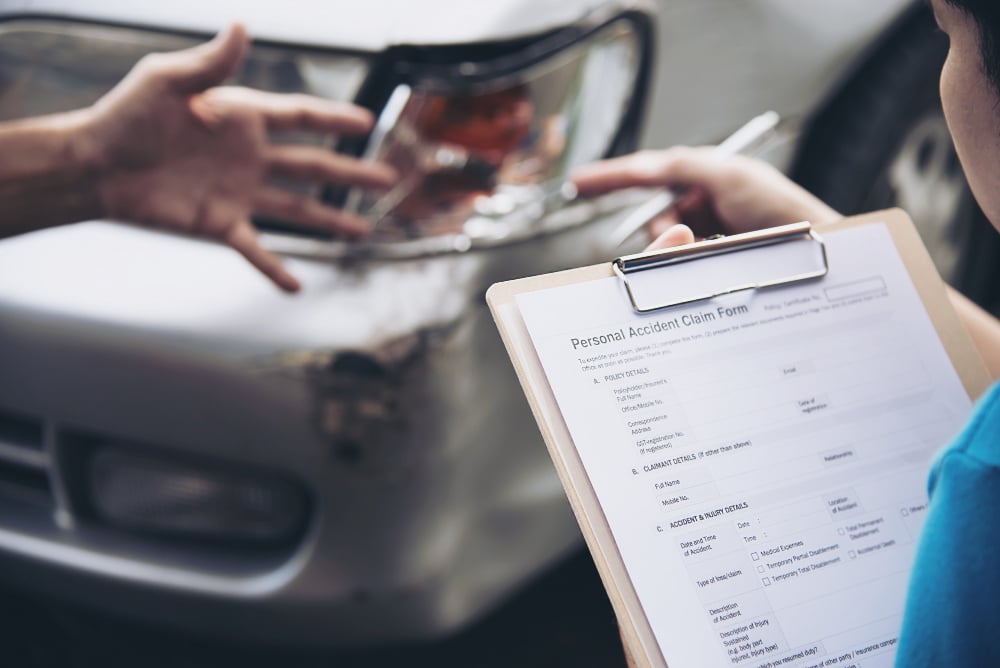
Third-party liability often depends on evidence showing how another person or company contributed to your accident. Useful evidence can include photographs, witness statements, accident reports, medical records, surveillance footage, vehicle information, maintenance records, and other documents connected to the incident.
Time can make important evidence harder to obtain. A damaged vehicle may be repaired. Surveillance footage may be deleted. Equipment may be removed or replaced. Witnesses may also have difficulty remembering details later. Preserving relevant information soon after your accident can make a later investigation more effective.
Document what happened as carefully as possible. Keep records of medical treatment, expenses, missed work, and communications about the accident. If a contractor, driver, property owner, manufacturer, or another company was involved, record identifying information about that person or business and its role in the accident.
5. Protect Your Legal Rights
Third-party liability can introduce additional deadlines and legal considerations. In Massachusetts, many personal injury actions generally must be commenced within three years after the cause of action accrues, subject to exceptions. Workers’ compensation claims have separate requirements. For example, Massachusetts law requires notice to the insurer or insured as soon as practicable after an injury, with additional rules governing when a workers’ compensation claim must be filed.
Insurance communications also deserve attention. An adjuster may ask you for information about your accident, medical treatment, or other circumstances surrounding your injury. Before making statements or signing documents that could affect your rights, make sure you understand what you are being asked to provide and how the information could affect your claim.
Legal guidance can help you determine whether another person or company may share responsibility for your injury. An attorney can also help you understand how a potential third-party recovery could interact with your workers’ compensation benefits and what steps may be necessary to protect your interests.
6. Evaluate Settlement Consequences
A third-party settlement can affect more than the amount offered by the outside party. If workers’ compensation has already paid benefits related to your injury, Massachusetts law provides rules concerning the insurer’s interest in amounts recovered through a third-party action. Those rules can affect how the recovered funds are allocated.
You should therefore look beyond the settlement amount itself. Attorney fees, litigation costs, amounts previously paid through workers’ compensation, and potential reimbursement or future-benefit issues can all matter. Massachusetts law also generally requires approval of certain settlements with third parties when a workers’ compensation claim is involved. The Department of Industrial Accidents provides a specific process for Section 15 third-party settlements.
Before accepting an offer, review its overall financial effect. Understanding how the settlement may affect your workers’ compensation benefits, reimbursement obligations, and future recovery can help you make a more informed decision. The headline settlement amount does not always tell you what you will ultimately receive.
Conclusion
Third-party liability can affect your workplace injury claim by adding another potentially responsible party and creating another possible route to compensation. You may have workers’ compensation rights while also pursuing a claim against a negligent driver, contractor, property owner, manufacturer, or other third party. The two matters can also affect each other financially under Massachusetts law.
After an accident, report your injury, preserve relevant evidence, keep your medical and wage records, and identify everyone connected to what happened. If someone outside your employer may have caused or contributed to your injury, consider getting legal advice before accepting a third-party settlement or signing documents that could affect your rights.
Disclaimer
Artificial Intelligence Disclosure & Legal Disclaimer
AI Content Policy.
To provide our readers with timely and comprehensive coverage, South Florida Reporter uses artificial intelligence (AI) to assist in producing certain articles and visual content.
Articles: AI may be used to assist in research, structural drafting, or data analysis. All AI-assisted text is reviewed and edited by our team to ensure accuracy and adherence to our editorial standards.
Images: Any imagery generated or significantly altered by AI is clearly marked with a disclaimer or watermark to distinguish it from traditional photography or editorial illustrations.
General Disclaimer
The information contained in South Florida Reporter is for general information purposes only.
South Florida Reporter assumes no responsibility for errors or omissions in the contents of the Service. In no event shall South Florida Reporter be liable for any special, direct, indirect, consequential, or incidental damages or any damages whatsoever, whether in an action of contract, negligence or other tort, arising out of or in connection with the use of the Service or the contents of the Service.
The Company reserves the right to make additions, deletions, or modifications to the contents of the Service at any time without prior notice. The Company does not warrant that the Service is free of viruses or other harmful components.