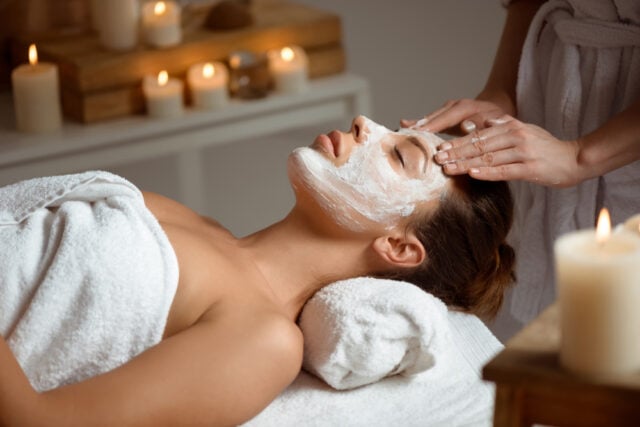
Self-care can mean different things to different people. For some, it is taking a quiet walk in the morning or making time for a good night’s sleep. For others, it may involve maintaining a skincare routine, eating balanced meals, or scheduling time for activities that help them feel more confident. In recent years, personalized aesthetic treatments have also become part of the conversation around self-care.
Aesthetic care is not simply about changing the way someone looks. For many people, it is about addressing a particular concern, feeling more comfortable in their skin, or making time for personal well-being. When approached thoughtfully, treatments can complement everyday habits rather than replace them.
The key is understanding what aesthetic treatments can realistically offer, how to choose options that suit individual needs, and why long-term self-care involves much more than a single appointment. A balanced approach brings together physical health, emotional well-being, daily skincare, and informed decisions about professional treatments.
Understanding the Role of Personalized Aesthetic Care
No two people have exactly the same skin, lifestyle, preferences, or aesthetic goals. One person may want to improve uneven skin texture, while another may be concerned about fine lines, changes in facial volume, or areas of the body they would like to refine. Personalized aesthetic care begins by recognizing these differences.

Rather than recommending the same procedure to everyone, a thoughtful consultation considers the person’s concerns, medical history, skin condition, expectations, and lifestyle. This conversation helps determine whether a treatment is appropriate and what kind of outcome may be realistic.
Personalization also means recognizing when a procedure may not be necessary. Sometimes, a consistent skincare routine, sun protection, or a few changes in daily habits may be a sensible starting point. In other situations, a professional treatment may offer an option worth discussing with a qualified provider.
The purpose is not to pursue every available treatment. It is to make informed choices that align with personal goals while keeping safety and overall well-being at the center of the process.
Why Self-Care Should Begin With Everyday Habits
Professional aesthetic treatments often receive attention because they can be tailored to specific concerns. However, everyday habits remain an important foundation for skin health and general well-being.
A consistent skincare routine is a useful example. Gentle cleansing, suitable moisturizing products, and regular sunscreen use can help maintain the skin’s condition. Sun protection is particularly important in Florida, where outdoor activities and strong sunlight can contribute to premature skin aging and sun damage.
Sleep, nutrition, hydration, and stress management also influence how people feel and how their skin may appear. Poor sleep can leave someone looking tired, while stress may affect routines and contribute to certain skin concerns. A balanced diet and sufficient rest support general health, although they cannot guarantee a particular cosmetic result.
These habits do not need to be complicated. A realistic routine that someone can follow consistently is often more useful than an elaborate plan that becomes difficult to maintain.
Professional aesthetic care works best as one possible part of this broader picture. It should not be presented as a substitute for healthy habits, appropriate medical care, or realistic expectations.
How Personalized Treatments Can Complement a Self-Care Plan
Aesthetic treatments are designed to address different concerns, so the right choice depends on the individual. Some people may explore facial treatments or medical-grade skincare to support skin texture and appearance. Others may ask about microchanneling or skin-tightening procedures, while people concerned about particular body areas may want to learn about non-surgical body-contouring options.
Hair restoration and anti-aging treatments may also be relevant to certain personal goals. However, these services differ in their methods, suitability, potential side effects, and expected results. A treatment that works well for one person may not be appropriate for another.
This is why consultation matters. A qualified professional can explain the available options, discuss possible risks and limitations, and help determine whether a proposed treatment fits the person’s needs. Depending on the procedure, several sessions or ongoing maintenance may be required, and results may develop gradually rather than appearing immediately.
For people exploring personalized aesthetic treatments in Fort Myers, Southwest Florida Med Spa offers a range of services, including facial treatments, medical-grade skincare, microchanneling, skin tightening, body-contouring options, and hair restoration. The appropriate service depends on an individual’s concerns, eligibility, and consultation with the provider.
Approaching aesthetic care this way can make the experience more purposeful. Instead of selecting a treatment because it is popular, people can consider whether it addresses a genuine concern and fits comfortably into their wider self-care routine.
The Connection Between Confidence and Emotional Well-Being
Self-care is not limited to physical health. Emotional well-being, confidence, and the way people feel about themselves can also influence their quality of life.
Some people find that addressing a particular aesthetic concern helps them feel more comfortable in social situations or more confident in their daily routines. For them, a treatment may be a personal choice that supports how they want to present themselves to the world.
At the same time, it is important to keep expectations realistic. Aesthetic treatments cannot guarantee happiness, improve every aspect of self-esteem, or resolve deeper emotional difficulties. Confidence is influenced by relationships, life experiences, mental health, and many other factors.
A healthy approach to aesthetic care begins with personal motivation rather than pressure from social media, advertising, or other people’s expectations. People should feel free to choose a treatment, postpone it, or decide against it without feeling that their appearance needs to meet a particular standard.
When aesthetic choices are made for personal reasons and with a clear understanding of the likely outcomes, they can sit more comfortably alongside other self-care practices that support emotional and physical well-being.
Make Time for Recovery and Ongoing Care
Self-care does not end when a treatment appointment is over. Depending on the procedure, the skin or treated area may need time to recover, and following aftercare instructions can be an important part of the process.
Some treatments may cause temporary redness, swelling, tenderness, or other side effects. The type and duration of recovery vary, so it is important to understand what is normal for the specific procedure and when to contact the provider about a concern.
People should also consider the practical side of treatment planning. A procedure that requires recovery time may be difficult to schedule immediately before a major event, a holiday, or a demanding work period. Discussing timing in advance can help prevent unnecessary stress.
Follow-up appointments may be recommended to review progress, address questions, or determine whether additional treatment is appropriate. Not everyone needs the same schedule, and more frequent treatment does not automatically mean better results.
A thoughtful approach allows enough time for recovery and evaluation rather than rushing into the next procedure. This supports a more considered experience and helps keep safety ahead of convenience.
Choosing a Provider Who Understands Your Goals
Selecting a suitable provider is an important part of personalized aesthetic care. The quality of the consultation matters because it gives people an opportunity to ask questions, understand the procedure, and decide whether they feel comfortable proceeding.
A responsible provider should discuss relevant qualifications, potential benefits, possible side effects, alternatives, and realistic expectations. They should also review relevant medical history and explain whether a particular treatment is suitable. Patients should feel comfortable asking what a procedure involves, how long recovery may take, and what happens if the results are different from what they expected.
It is equally important to understand the difference between cosmetic services and medical treatment. Some aesthetic procedures involve medical devices, prescription products, or techniques that carry specific risks. These should be provided by appropriately qualified professionals within their scope of practice.
Be cautious of promises of perfect results, claims that a procedure is risk-free, or pressure to purchase multiple treatments during a single visit. Before-and-after photographs and testimonials may provide context, but individual results vary and are not guarantees of what another person will experience.
The right provider should help people make informed decisions, including the decision not to proceed when a treatment is unsuitable.
Creating a Sustainable Self-Care Routine
A sustainable self-care routine should fit the realities of everyday life. People have different schedules, budgets, responsibilities, and priorities, so there is no single plan that works for everyone.
For some, self-care may begin with a simple morning skincare routine and daily sunscreen. Others may focus on improving sleep, making time for movement, or setting aside a few minutes to relax without a screen. Professional aesthetic appointments can be added when they suit a person’s goals, budget, and circumstances.
It can help to think about self-care in terms of long-term consistency rather than quick changes. Spending within a comfortable budget, choosing treatments carefully, and allowing time to assess results can reduce the temptation to make decisions in response to short-lived trends.
People should also remember that their needs may change over time. A routine that suits someone today may need adjustment as their skin, health, lifestyle, or preferences evolve. Regularly reviewing what is helpful—and letting go of what is not—keeps self-care personal rather than prescriptive.
Ultimately, the most effective routine is one that supports well-being without becoming another source of pressure.
Conclusion: A Personal Approach to Looking and Feeling Your Best
Personalized aesthetic treatments can be one part of a broader self-care routine when they are chosen thoughtfully and approached with realistic expectations. They may help address specific appearance-related concerns, but they work alongside everyday practices such as sun protection, consistent skincare, adequate rest, balanced nutrition, and stress management.
The most important step is understanding your own goals and choosing options that suit your needs rather than following every new trend. Professional guidance, clear communication, and appropriate aftercare help make aesthetic decisions more informed.
Self-care does not have to involve expensive products or frequent treatments. It is about making choices that support your well-being, respecting your individual preferences, and giving yourself time and attention. Whether that means keeping a simple skincare routine or exploring a professional aesthetic service, a balanced approach can help make self-care feel practical, personal, and sustainable.
Disclaimer
Artificial Intelligence Disclosure & Legal Disclaimer
AI Content Policy.
To provide our readers with timely and comprehensive coverage, South Florida Reporter uses artificial intelligence (AI) to assist in producing certain articles and visual content.
Articles: AI may be used to assist in research, structural drafting, or data analysis. All AI-assisted text is reviewed and edited by our team to ensure accuracy and adherence to our editorial standards.
Images: Any imagery generated or significantly altered by AI is clearly marked with a disclaimer or watermark to distinguish it from traditional photography or editorial illustrations.
General Disclaimer
The information contained in South Florida Reporter is for general information purposes only.
South Florida Reporter assumes no responsibility for errors or omissions in the contents of the Service. In no event shall South Florida Reporter be liable for any special, direct, indirect, consequential, or incidental damages or any damages whatsoever, whether in an action of contract, negligence or other tort, arising out of or in connection with the use of the Service or the contents of the Service.
The Company reserves the right to make additions, deletions, or modifications to the contents of the Service at any time without prior notice. The Company does not warrant that the Service is free of viruses or other harmful components.