Salmonella is among the most common causes of foodborne illness worldwide. It can sneak into your kitchen through raw poultry, eggs, meat, and even vegetables or fruits. While it often leads to stomach cramps, diarrhea, and a fever that passes in a few days, it can be far more serious for young children, older adults, pregnant women, and people with weakened immune systems.
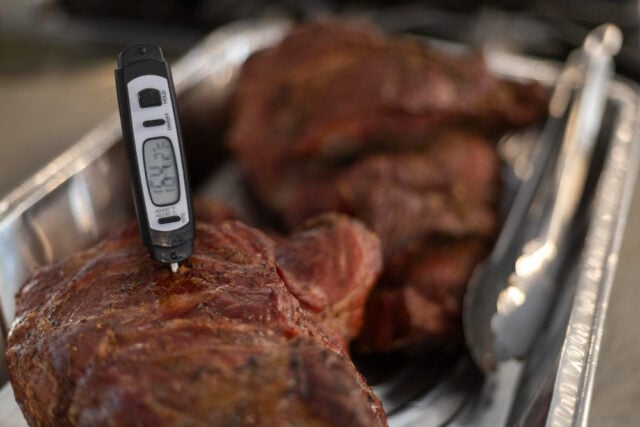
The good news is? You can greatly reduce your risk with simple habits, especially by cooking foods at the right temperature. An instant read thermometer makes it easy and reliable. It helps home cooks check internal temperatures quickly and accurately, giving peace of mind that harmful bacteria like Salmonella are destroyed.
What Is Salmonella and Why Should You Care?
Salmonella bacteria live in animals and birds’ intestines. They spread to food during processing or through cross-contamination in your kitchen. You cannot see, smell, or taste them, which makes them especially tricky.
Symptoms usually appear 6 to 48 hours after eating contaminated food and can last up to a week. In severe cases, the infection can spread to the bloodstream and require hospital care. Millions get sick from foodborne bacteria, but proper cooking and handling prevent most cases.

Role of Temperature in Killing Salmonella
Heat is your most effective weapon against Salmonella. Bacteria stop growing in the “Danger Zone” between 40°F and 140°F (4°C to 60°C), where they double in number every 20 minutes. Cooking to a safe internal temperature kills them.
Here are the USDA-recommended minimum internal temperatures:
- Poultry (chicken, turkey, duck): 165°F (74°C)
- Ground meat (beef, pork, veal, lamb): 160°F (71°C)
- Steaks, chops, roasts (beef, pork, veal, lamb): 145°F (63°C) with a 3-minute rest time
- Fish: 145°F (63°C)
- Egg dishes: 160°F (71°C)
- Leftovers and casseroles: 165°F (74°C)
These temperatures ensure bacteria are killed throughout the food, not just on the surface. Color alone is never a safe indicator—many burgers look brown inside before reaching 160°F.
Why Every Kitchen Needs an Instant Read Thermometer
Guessing is risky. An instant-read thermometer gives you an accurate temperature in seconds, so you can cook food perfectly safe and juicy, not dry and overdone.
The Typhur InstaProbe Core stands out as a top choice. It delivers readings in just 0.5 seconds with NIST-certified 0.5°F accuracy. Its 180° rotating OLED display is easy to read from any angle, even in bright sunlight. The probe is thin, so it won’t release much juice from your meat. It’s also IP67 waterproof, magnetic for easy storage, and built tough with a 10-year warranty.
How to Use an Instant Read Thermometer: Step-by-Step
Using a thermometer is simple once you know the basics. Here’s how to do it right:
- Insert the probe correctly: Push it into the thickest part of the food, away from bone, fat, gristle, or the pan. For thinner foods like burgers or chicken breasts, insert in from the side.
- Wait for the reading: With an instant read thermometer, you can get an accurate number almost instantly. For thicker items, wait a few seconds until it stabilizes.
- Check multiple spots: In large roasts or whole birds, test the thickest areas in a few places to make sure the whole piece is done.
- Clean after every use: Wash the probe with hot, soapy water or wipe it with an alcohol pad. This prevents cross-contamination.
- Calibrate if needed: High-quality digital thermometers like Typhur’s stay accurate, but you can check them in ice water (should read 32°F) or boiling water (212°F at sea level).
Pro tip: Measure toward the end of cooking time, before you think the food is done. This avoids overcooking.
Complete Food Safety Practices to Prevent Salmonella
Cooking temperature is the most critical step, but it works best with other habits:
Clean: Wash hands for 20 seconds with soap before and after handling raw food. Clean counters, cutting boards, and utensils.
Separate: Use different boards and plates for raw meat and ready-to-eat foods. Never put cooked food back on a plate with raw chicken.
Chill: Keep your fridge at 40°F (4°C) or below. Thaw meat in the fridge, not on the counter. Refrigerate leftovers for 2 hours.
It is always a good idea to use an instant read thermometer when cooking.It is always a good idea to use an instant read thermometer when cooking.
Store properly: Keep hot foods above 140°F and cold foods below 40°F until serving.
Common Mistakes That Increase Risk
- Relying on color or “Juices run clear”
- Use the same plate for raw and cooked meat
- Leaving food in the danger zone for too long
- Not checking the temperature of thick foods in the center
- Skip handwashing after touching raw poultry
Avoiding these mistakes, combined with a reliable thermometer, dramatically lowers your chances of Salmonella or other issues.
Real-Life Benefits of Using a Good Thermometer
Home cooks who use instant-read thermometers report better results: juicier steaks, perfectly cooked chicken, and fewer worries about guests getting sick. The speed of the Typhur InstaProbe Core means you don’t have to keep the oven or grill open for long, which helps maintain steady cooking temperatures.
Many families say it gives them confidence when cooking for vulnerable loved ones, like newborns or grandparents.
Beyond Salmonella: Other Benefits
Proper temperature control also helps:
- Better food quality and taste
- Reduce waste from overcooking
- Safe grilling, smoking, baking, and frying
- Peace of mind during the holidays and big gatherings
Conclusion
Preventing Salmonella and other foodborne illnesses doesn’t require fancy equipment or complicated rules. It comes down to smart habits and one simple tool: an instant read thermometer. By cooking to safe internal temperatures, keeping your kitchen clean, and avoiding cross-contamination, you can protect your family and enjoy meals with confidence.
Disclaimer
Artificial Intelligence Disclosure & Legal Disclaimer
AI Content Policy.
To provide our readers with timely and comprehensive coverage, South Florida Reporter uses artificial intelligence (AI) to assist in producing certain articles and visual content.
Articles: AI may be used to assist in research, structural drafting, or data analysis. All AI-assisted text is reviewed and edited by our team to ensure accuracy and adherence to our editorial standards.
Images: Any imagery generated or significantly altered by AI is clearly marked with a disclaimer or watermark to distinguish it from traditional photography or editorial illustrations.
General Disclaimer
The information contained in South Florida Reporter is for general information purposes only.
South Florida Reporter assumes no responsibility for errors or omissions in the contents of the Service. In no event shall South Florida Reporter be liable for any special, direct, indirect, consequential, or incidental damages or any damages whatsoever, whether in an action of contract, negligence or other tort, arising out of or in connection with the use of the Service or the contents of the Service.
The Company reserves the right to make additions, deletions, or modifications to the contents of the Service at any time without prior notice. The Company does not warrant that the Service is free of viruses or other harmful components.