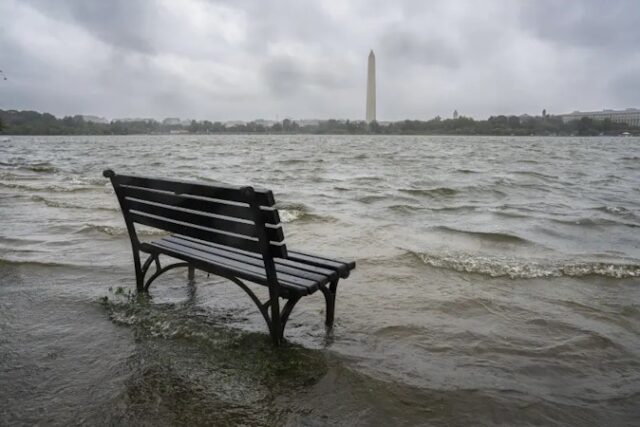
Florida’s climate, geography, and extensive coastline make flooding a year-round concern for many communities. Heavy rainfall, tropical storms, hurricanes, and rising water levels can all contribute to flood-related damage, often with little warning. Even properties located outside designated high-risk flood zones can experience flooding during severe weather events. Beyond structural damage, floodwaters can create ongoing challenges such as mold growth, weakened foundations, damaged electrical systems, and costly repairs. Property owners who understand local flood risks are better positioned to make informed decisions about insurance coverage, maintenance, drainage improvements, and emergency planning. Taking proactive measures today can help reduce financial losses and provide greater peace of mind when severe weather strikes.
Understanding Florida’s Flood Landscape
Florida’s unique geography makes it especially susceptible to flooding. Despite its appeal as a desirable location, property owners must remain aware of the potential for severe weather events. According to Florida Flood Insurance, over the course of a 30-year mortgage, homes in Florida have a startling 26% chance of experiencing a flood, outpacing the 9% risk of a fire.
The state’s low-lying topography and proximity to water bodies contribute significantly to its flood risks. Hurricanes and tropical storms frequently bring heavy rains, thereby exacerbating the situation. Consequently, understanding the regional flood risks is critical for effective property management and safety.
For property owners, knowledge about flood zones and flood insurance options is indispensable. Aside from direct water damage, floods can initiate other hazards such as mold or structural issues. According to Florida flood insurance data, a property in Florida has a greater chance of experiencing a flood during a 30-year mortgage than a fire, highlighting the importance of preparedness. Additionally, mold can begin developing within 24 to 48 hours after flooding occurs, making quick action critical. Since flooding is involved in a significant share of natural disasters, proactive measures and ongoing awareness are essential to safeguard property and reduce potential losses while promoting long-term resilience.

The Dangers of Flood-Related Damages
When flooding occurs, the immediate damages are visible, but there are also hidden dangers such as mold growth. According to This Old House, water damage in areas like basements can lead to mold, which can start forming within just 24 to 48 hours. This exponential growth poses serious health risks to inhabitants.
Mold does not only detract from your property’s appearance but can also affect air quality, leading to respiratory issues. Addressing mold requires timely intervention with professional cleaning methodologies to ensure complete eradication. Preventive measures, including proper drainage systems, can reduce the risk of water accumulation.
Additionally, structural compromise is a concern. Sustained exposure to water can weaken foundations and supports, leading to long-term damage. Property owners need to ensure regular maintenance and quick response to signs of water infiltration to maintain integrity and safety.
Strategies for Protecting Your Property
Proactive strategies can significantly mitigate flood risks. Installing flood barriers and utilizing landscaping techniques can divert water away from buildings. Regular inspections and maintenance of gutters, roofs, and drainage systems are critical to withstand seasonal weather patterns.
Obtaining comprehensive flood insurance is another crucial step. According to National Flood Insurance, nearly 40% of all natural disasters involve flooding, underlining the importance of insurance coverage to alleviate financial challenges post-disaster. Choosing the appropriate insurance policy can provide peace of mind against potential devastation.
Educational initiatives and community preparedness are essential in fostering a culture of resilience. Participation in flood-risk workshops and staying informed about local weather predictions can help property owners make informed decisions. Community support systems also play a crucial role in responding effectively to flood emergencies.
Understanding Florida’s flood risks and implementing comprehensive protective measures are fundamental responsibilities for property owners. By staying informed and prepared, owners can safeguard their investments and contribute to a resilient community.
Disclaimer
Artificial Intelligence Disclosure & Legal Disclaimer
AI Content Policy.
To provide our readers with timely and comprehensive coverage, South Florida Reporter uses artificial intelligence (AI) to assist in producing certain articles and visual content.
Articles: AI may be used to assist in research, structural drafting, or data analysis. All AI-assisted text is reviewed and edited by our team to ensure accuracy and adherence to our editorial standards.
Images: Any imagery generated or significantly altered by AI is clearly marked with a disclaimer or watermark to distinguish it from traditional photography or editorial illustrations.
General Disclaimer
The information contained in South Florida Reporter is for general information purposes only.
South Florida Reporter assumes no responsibility for errors or omissions in the contents of the Service. In no event shall South Florida Reporter be liable for any special, direct, indirect, consequential, or incidental damages or any damages whatsoever, whether in an action of contract, negligence or other tort, arising out of or in connection with the use of the Service or the contents of the Service.
The Company reserves the right to make additions, deletions, or modifications to the contents of the Service at any time without prior notice. The Company does not warrant that the Service is free of viruses or other harmful components.