Orthopedic injuries and mobility-related conditions are affecting more people than ever before. From sports injuries and workplace strain to age-related joint problems and repetitive stress conditions, many patients now expect treatment options that are not only effective but also faster, more convenient, and easier to access.
Long waiting times have become one of the biggest frustrations across modern healthcare systems. For people dealing with chronic pain, limited mobility, or injuries that interfere with work and daily routines, delays in diagnosis and treatment can significantly affect quality of life. As a result, patients are increasingly exploring specialized healthcare environments designed around quicker evaluations, streamlined recovery planning, and more focused orthopedic care.
This shift is changing how many healthcare providers approach patient recovery across the United States, particularly in growing metropolitan regions where demand for orthopedic services continues rising.
Orthopedic Surgery Center Facilities Are Changing Patient Recovery Expectations
Many patients seeking faster evaluations, same-day consultations, minimally invasive procedures, joint treatment, sports injury care, and post-surgical rehabilitation are increasingly turning to specialized orthopedic surgery centers that focus on musculoskeletal conditions and recovery support.

Unlike larger hospital systems that often manage multiple departments simultaneously, specialized orthopedic centers are designed around more focused treatment pathways. This can help reduce scheduling delays while improving coordination between surgeons, imaging teams, rehabilitation specialists, and patient support staff.
Providers, including CCU Health Surgery Center, reflect this growing trend toward more streamlined orthopedic care environments, where efficiency, accessibility, and recovery planning are central to the patient experience. For many patients, quicker access to consultations and treatment can make a major difference, both physically and emotionally, during recovery.
As healthcare expectations continue evolving, specialized recovery-focused facilities are becoming an increasingly important part of modern orthopedic treatment discussions.
Recovery Timelines Are Becoming More Important for Active Patients
Modern lifestyles place enormous physical demands on the body. Many people balance demanding work schedules, long commutes, fitness routines, family responsibilities, and recreational activities that repeatedly strain joints and muscles over time.
For athletes and physically active individuals, injuries often create concerns that extend beyond pain alone. Recovery timelines can directly affect careers, financial stability, performance goals, and overall independence. Even non-athletes often prioritize returning to normal routines as quickly as possible after injuries or orthopedic procedures.
This growing focus on recovery speed is influencing how patients evaluate healthcare providers. Faster imaging access, shorter consultation wait times, personalized rehabilitation plans, and minimally invasive surgical techniques are all becoming increasingly important considerations when choosing treatment options.
Healthcare providers are also placing greater emphasis on patient education throughout recovery. Many patients now expect clearer communication about rehabilitation stages, physical therapy expectations, mobility restrictions, and realistic recovery outcomes before treatment even begins. The overall patient experience has become closely linked to how efficiently recovery is managed from the initial consultation through rehabilitation.
Advances in Orthopedic Technology Continue Improving Treatment Options
Orthopedic medicine has changed significantly over the past decade. Improvements in imaging systems, surgical equipment, robotic-assisted procedures, minimally invasive techniques, and rehabilitation technology have helped create treatment environments that are often less disruptive for patients than in previous generations.
Smaller incisions, more precise surgical planning, and improved rehabilitation protocols can sometimes reduce hospital stays and shorten overall recovery periods for certain procedures. At the same time, digital healthcare systems now enable many patients to access consultations, schedule appointments, communicate follow-up, and receive recovery guidance more efficiently than before.
Technology is also improving diagnostic accuracy. Earlier identification of joint damage, ligament injuries, cartilage problems, and spinal conditions may help patients begin treatment sooner before issues worsen further.
This growing convergence of medical specialization and healthcare technology is reshaping expectations for orthopedic recovery in both private and outpatient treatment settings.
Public Health Organizations Continue Emphasizing Mobility and Musculoskeletal Health
Health organizations continue highlighting the importance of musculoskeletal health as populations age and sedentary lifestyles become more common. The Centers for Disease Control and Prevention continues discussing how physical activity, injury prevention, and mobility support play important roles in long-term health and independence.
Growing public awareness around joint health, posture, physical therapy, and injury prevention has encouraged many people to seek medical support earlier instead of waiting until pain becomes severe.
At the same time, sports participation among both younger and older age groups continues increasing in many communities. Recreational fitness, running clubs, amateur sports leagues, pickleball, cycling, and strength training have all contributed to rising demand for orthopedic expertise. These broader lifestyle changes are helping fuel continued growth across orthopedic healthcare services nationwide.
Convenience Is Becoming Part of Modern Healthcare Decision-Making
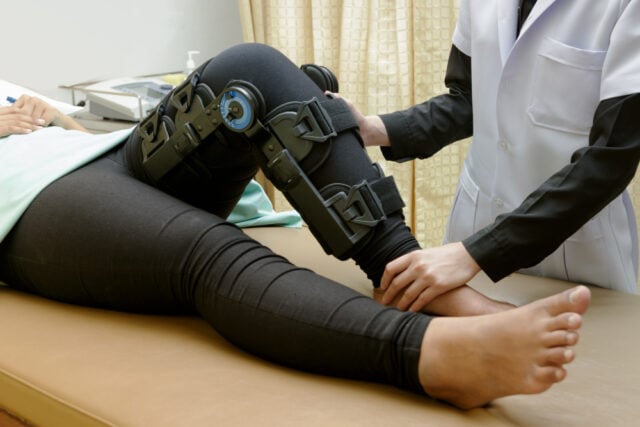
Photo by Getty Images on Unsplash
Patients increasingly evaluate healthcare experiences similarly to other service industries. Accessibility, communication, scheduling flexibility, location convenience, and overall efficiency now influence decision-making alongside medical qualifications and treatment outcomes.
This trend is particularly evident in orthopedic care, where mobility limitations often make traditional healthcare navigation more difficult. Patients dealing with knee injuries, back pain, fractures, or post-surgical recovery may struggle with long hospital wait times, multiple appointments across different locations, or delayed follow-up care.
Specialized treatment environments that streamline scheduling, diagnostics, surgical coordination, and rehabilitation can help reduce some of this stress during physically demanding periods.
Healthcare providers are increasingly recognizing that convenience itself can influence patient satisfaction and recovery confidence. Easier access to information, faster appointment systems, and more organized treatment pathways can help patients feel more supported throughout the recovery process.
The Future of Orthopedic Recovery Will Likely Become More Personalized
Orthopedic healthcare will likely continue evolving toward more personalized treatment experiences over the coming years. Advances in regenerative medicine, rehabilitation science, wearable recovery technology, and patient-specific treatment planning may further improve the management of injuries and mobility conditions.
Preventive care will also likely become more important. Many healthcare providers are increasingly focusing on injury prevention strategies, movement assessments, posture education, strength training guidance, and early intervention programs designed to reduce long-term orthopedic complications before surgery becomes necessary.
At the same time, patient expectations around speed, communication, and convenience are unlikely to disappear. Faster access to evaluations and treatment has become a major priority for people trying to maintain active lifestyles and avoid long disruptions to daily routines.
As orthopedic healthcare continues to modernize, treatment environments that combine medical expertise with efficient patient-centered care will likely remain in growing demand across the healthcare sector.
Disclaimer
Artificial Intelligence Disclosure & Legal Disclaimer
AI Content Policy.
To provide our readers with timely and comprehensive coverage, South Florida Reporter uses artificial intelligence (AI) to assist in producing certain articles and visual content.
Articles: AI may be used to assist in research, structural drafting, or data analysis. All AI-assisted text is reviewed and edited by our team to ensure accuracy and adherence to our editorial standards.
Images: Any imagery generated or significantly altered by AI is clearly marked with a disclaimer or watermark to distinguish it from traditional photography or editorial illustrations.
General Disclaimer
The information contained in South Florida Reporter is for general information purposes only.
South Florida Reporter assumes no responsibility for errors or omissions in the contents of the Service. In no event shall South Florida Reporter be liable for any special, direct, indirect, consequential, or incidental damages or any damages whatsoever, whether in an action of contract, negligence or other tort, arising out of or in connection with the use of the Service or the contents of the Service.
The Company reserves the right to make additions, deletions, or modifications to the contents of the Service at any time without prior notice. The Company does not warrant that the Service is free of viruses or other harmful components.