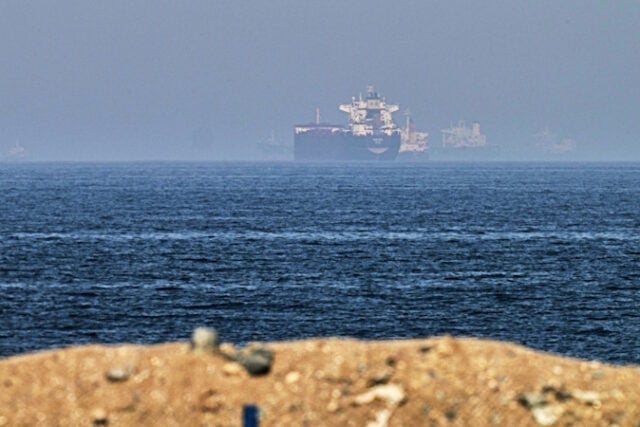
For months, the Strait of Hormuz has been the tense epicenter of global energy anxiety. Since the outbreak of conflict earlier this year, the narrow waterway—which normally carries nearly a fifth of the world’s crude oil and liquefied natural gas—became a dangerous bottleneck. With shipping virtually halted due to military strikes, naval blockades, and mine threats, world markets were pushed to the edge. However, a sudden shift toward diplomacy is bringing a collective sigh of relief to investors, motorists, and global leaders.
Senior U.S. officials, including Secretary of State Marco Rubio and Treasury Secretary Scott Bessent, announced that negotiations involving Iranian representatives and regional mediators in Oman and Qatar have made significant strides. President Donald Trump paused planned military strikes against Iran to allow diplomatic channels room to operate, signaling that an agreement to restore freedom of navigation through the strait could be reached shortly. While a final contract has yet to be finalized, the mere prospect of opening the choke point has instantly reshaped the financial landscape.
Crude Oil Prices Tumble
The energy market’s reaction to the diplomatic breakthrough was swift. Brent crude, the global oil benchmark, plummeted by nearly 5% to drop below $80 per barrel, reaching its lowest level in several weeks. West Texas Intermediate (WTI) crude saw a matching drop, sliding to around $76 a barrel. This sharp decline unwound much of the war premium that had driven oil prices above $100 per barrel during peak tensions in July. Traded risk premiums and maritime insurance concerns are already cooling off as traders price in a return to normal transit.

Relief Ahead for Gas Prices
While crude oil futures fell immediately, drivers at the pump are waiting for that drop to reach their tank. Months of shipping gridlock drove average U.S. gasoline prices above $4.00 a gallon, with diesel surging toward $5.40. Across the Atlantic, UK petrol climbed back up to £1.60 per litre. Because retail fuel prices typically lag wholesale crude movements by a week or two, consumers have not felt the full impact at the pump just yet. However, energy analysts emphasize that if the Strait of Hormuz opens permanently, retail pump prices should trend steadily downward over the coming weeks.
Stock Markets Rally on De-escalation
Beyond fuel, equity markets received a major boost. Stock indices rallied across Europe, Asia, and Wall Street on the news of advancing diplomatic talks. De-escalating tensions in the Persian Gulf alleviated widespread fears of sticky inflation and forced interest rate hikes, restoring investor risk appetite. Major stock benchmarks surged, led by gains in technology, manufacturing, and consumer retail sectors that had previously been weighed down by high supply chain and energy overhead.
While diplomatic negotiations remain delicate, the willingness of both sides to pursue a deal has temporarily pulled global energy markets back from the brink.
Sources Used:
- The Guardian – Oil prices plunge and Europe’s markets rally after Trump calls off Iran strikes
- The Star – Oil prices fall on hopes Strait of Hormuz could reopen
- Newscord / BBC – Oil Prices Fall as Marco Rubio and Scott Bessent Say Iran Talks Progress to Reopen Strait of Hormuz
- Al Jazeera – Oil prices rise as US, Iranian strikes threaten Strait of Hormuz reopening
- Wikipedia – 2026 Strait of Hormuz Crisis
Disclaimer
Artificial Intelligence Disclosure & Legal Disclaimer
AI Content Policy.
To provide our readers with timely and comprehensive coverage, South Florida Reporter uses artificial intelligence (AI) to assist in producing certain articles and visual content.
Articles: AI may be used to assist in research, structural drafting, or data analysis. All AI-assisted text is reviewed and edited by our team to ensure accuracy and adherence to our editorial standards.
Images: Any imagery generated or significantly altered by AI is clearly marked with a disclaimer or watermark to distinguish it from traditional photography or editorial illustrations.
General Disclaimer
The information contained in South Florida Reporter is for general information purposes only.
South Florida Reporter assumes no responsibility for errors or omissions in the contents of the Service. In no event shall South Florida Reporter be liable for any special, direct, indirect, consequential, or incidental damages or any damages whatsoever, whether in an action of contract, negligence or other tort, arising out of or in connection with the use of the Service or the contents of the Service.
The Company reserves the right to make additions, deletions, or modifications to the contents of the Service at any time without prior notice. The Company does not warrant that the Service is free of viruses or other harmful components.