For drivers dealing with the aftermath of a car accident in Port St. Lucie, separating reliable legal information from common assumptions can be challenging. Questions about fault, insurance coverage, medical treatment, and compensation often arise before an injured person clearly understands what applies to their circumstances. Knowing where these misconceptions come from and what the claims process actually involves can help accident victims approach the situation with greater care.
A Port St. Lucie car accident attorney can help an injured driver understand how Florida law may apply to the circumstances of a collision and which information could affect the claim. With guidance from the start, victims can better evaluate insurer statements, recognize important issues that deserve attention, and avoid relying on assumptions that may not fit their situation. This legal perspective can provide a stronger foundation for decision-making as the claim moves forward.
1. A Police Report Is Required For Every Claim
A police report provides useful evidence, but its absence does not automatically prevent an injury claim. Some crashes involve minor property damage, delayed symptoms, or no immediate police response.
Other evidence can establish what happened, including photographs, vehicle damage, medical records, witness accounts, traffic-camera footage, and insurance communications. Report the collision when required and request a copy of any available report.

2. Minor Vehicle Damage Means Minor Injuries
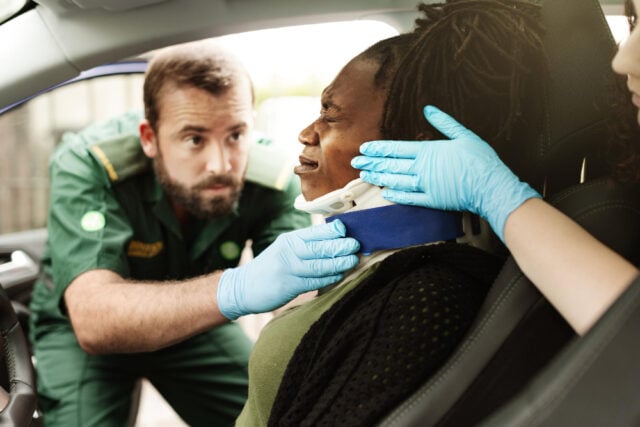
Vehicle damage does not measure the full extent of a person’s injuries. A collision can cause concussion symptoms, soft-tissue damage, or back pain without causing dramatic damage to either vehicle.
Some symptoms appear hours or days later. Prompt medical evaluation creates a record of the complaint, examination, diagnosis, and treatment plan. Delaying care gives an insurer an argument that another cause produced the injury.
3. The At-Fault Driver’s Insurance Company Represents The Victim
The other driver’s insurer represents its policyholder and protects its financial interests. An adjuster may request a recorded statement, medical authorization, or information about prior conditions.
A victim should answer required questions truthfully but review broad requests carefully. Statements that minimize pain, speculate about fault, or suggest complete recovery can later affect the claim.
4. A Settlement Offer Is The Final Amount Available
An initial offer is a negotiation position, not a reliable measure of the claim’s value. Insurers review medical expenses, lost income, treatment needs, liability evidence, and available coverage before resolving a case.
Once a person signs a release, the settlement usually ends the released claims. The decision should wait until current treatment, future medical needs, property damage, and other losses have been properly reviewed.
5. Any Medical Treatment Proves The Other Driver’s Fault
Medical records support the existence and effects of an injury, but they do not establish liability by themselves. A claim still requires evidence that another driver breached a duty and caused the collision.
Crash photographs, vehicle positions, traffic signals, witness statements, and available video can connect conduct to the accident. Medical documentation then helps connect the accident to the claimed injuries.
6. Shared Fault Eliminates The Entire Claim
Shared fault does not automatically eliminate recovery in every Florida negligence case. The result depends on the facts, each party’s assigned responsibility, and the damages established through evidence.
A driver’s actions before the crash require careful review. Speed, distraction, lane position, following distance, lighting, and road conditions can affect the fault analysis.
7. A Lawyer Can Guarantee A Certain Result
No attorney can guarantee a verdict, settlement amount, or case timeline. Results depend on evidence, liability disputes, medical records, insurance coverage, and decisions made by opposing parties or a court.
A qualified attorney can assess the available evidence, communicate with insurers, calculate documented losses, and protect legal deadlines. Those steps improve case preparation without promising a particular outcome.
8. A Person Should Wait Until Treatment Ends Before Preserving Evidence
Evidence can disappear while treatment continues. Vehicle damage gets repaired, surveillance footage gets deleted, witnesses become difficult to locate, and memories lose detail.
A person should preserve photographs, bills, employment records, prescriptions, appointment information, and communications soon after the crash. Ongoing treatment can update the damages record without replacing early evidence.
Conclusion
A car accident claim depends on documented facts, timely action, and a clear connection between the collision, liability, and losses. Accident victims should avoid broad statements, preserve evidence, follow medical advice, and review settlement papers before signing them. The next practical step is to gather the crash report, photographs, insurance correspondence, medical records, and wage information. Then, seek advice about Florida deadlines and the claim’s evidence before giving a recorded statement or accepting payment.
Disclaimer
Artificial Intelligence Disclosure & Legal Disclaimer
AI Content Policy.
To provide our readers with timely and comprehensive coverage, South Florida Reporter uses artificial intelligence (AI) to assist in producing certain articles and visual content.
Articles: AI may be used to assist in research, structural drafting, or data analysis. All AI-assisted text is reviewed and edited by our team to ensure accuracy and adherence to our editorial standards.
Images: Any imagery generated or significantly altered by AI is clearly marked with a disclaimer or watermark to distinguish it from traditional photography or editorial illustrations.
General Disclaimer
The information contained in South Florida Reporter is for general information purposes only.
South Florida Reporter assumes no responsibility for errors or omissions in the contents of the Service. In no event shall South Florida Reporter be liable for any special, direct, indirect, consequential, or incidental damages or any damages whatsoever, whether in an action of contract, negligence or other tort, arising out of or in connection with the use of the Service or the contents of the Service.
The Company reserves the right to make additions, deletions, or modifications to the contents of the Service at any time without prior notice. The Company does not warrant that the Service is free of viruses or other harmful components.