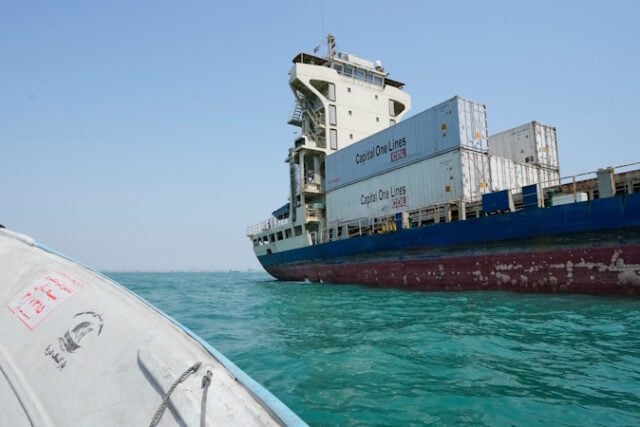
Could the brutal conflict finally be winding down? Iran has officially put a seven-day peace framework on the table. Iranian diplomats shared the proposal with American mediators at the United Nations in New York. Mediators from Qatar and regional partners are currently ferrying messages between both camps. Under this roadmap, Tehran pledges to reopen the vital Strait of Hormuz within seven days. In return, the United States must ease military pressure and lift its naval blockade on Iranian ports. If both sides comply, formal peace negotiations will immediately restart.
The proposal sounds promising, but diplomats are treating it with cautious skepticism. This initiative closely mirrors the fourteen-point Islamabad Memorandum of Understanding signed back in June. Back then, talks brokered by Pakistan gave both sides sixty days to negotiate a lasting settlement. Direct discussions in Islamabad between senior leaders showed genuine promise. Unfortunately, retaliatory strikes flared up again soon after. Washington tightened its maritime blockade, and Tehran choked off commercial shipping routes. Diplomats worry this new seven-day window might hit the same political roadblocks.
Energy markets reacted to the announcement with immediate volatility. When war broke out in late February, crude oil surged past one hundred ten dollars per barrel. The June peace framework temporarily knocked benchmark prices down toward eighty dollars. However, renewed fighting pushed Brent crude right back near one hundred dollars a barrel. News of the seven-day proposal triggered a modest drop of about one percent. Traders remain cautious until they see tankers clearing the waterway without interference. Energy analysts warn that prices will spike sharply if negotiations fall apart.
Everyday drivers feel this geopolitical tug-of-war directly at the pump. Disrupted shipping through the Persian Gulf severely crimped global supplies of refined fuel. Diesel prices reached near-record levels across Europe and North America this season. Meanwhile, United States gasoline inventories sit well below five-year seasonal averages. If Hormuz stays shut, consumer fuel prices will likely climb even higher into the autumn. Reopening the strait would rapidly restore one-fifth of the world’s daily petroleum shipments. That supply boost would provide welcome relief for strained family budgets everywhere.

Global stock markets are tracking every development with intense focus. Back in June, breakthrough peace headlines sparked historic rallies across Asian, European, and American exchanges. Investors celebrated lower energy costs because cheap oil helps tame stubborn inflation. Lower inflation reduces the threat of aggressive central bank interest rate hikes. This week, equity indexes showed steady optimism rather than exuberant buying. Technology and transportation stocks stand to gain the most if tensions cool. Wall Street and foreign bourses want proof before pouring heavy capital into riskier assets. A signed deal could trigger a powerful rally across major international stock indices.
The next seven days will test whether diplomacy can overcome months of deep hostility. Both nations face mounting economic costs and heavy political pressure at home. Tehran urgently needs its ports opened to export oil and stabilize its battered economy. Washington wants to protect vital international shipping lanes and prevent broader regional war. Seven days is a very tight deadline to resolve bitter grievances. Every breakthrough starts with a single opening. Yet, after months of devastating combat, even an incremental step forward brings genuine hope. The world will be watching the Persian Gulf very closely this week.
Sources Used
- CBS News
- Times of India
- The Economic Times
- Hindustan Times
- The Daily Star
- Newscord
- Encyclopaedia Britannica
Disclaimer
Artificial Intelligence Disclosure & Legal Disclaimer
AI Content Policy.
To provide our readers with timely and comprehensive coverage, South Florida Reporter uses artificial intelligence (AI) to assist in producing certain articles and visual content.
Articles: AI may be used to assist in research, structural drafting, or data analysis. All AI-assisted text is reviewed and edited by our team to ensure accuracy and adherence to our editorial standards.
Images: Any imagery generated or significantly altered by AI is clearly marked with a disclaimer or watermark to distinguish it from traditional photography or editorial illustrations.
General Disclaimer
The information contained in South Florida Reporter is for general information purposes only.
South Florida Reporter assumes no responsibility for errors or omissions in the contents of the Service. In no event shall South Florida Reporter be liable for any special, direct, indirect, consequential, or incidental damages or any damages whatsoever, whether in an action of contract, negligence or other tort, arising out of or in connection with the use of the Service or the contents of the Service.
The Company reserves the right to make additions, deletions, or modifications to the contents of the Service at any time without prior notice. The Company does not warrant that the Service is free of viruses or other harmful components.