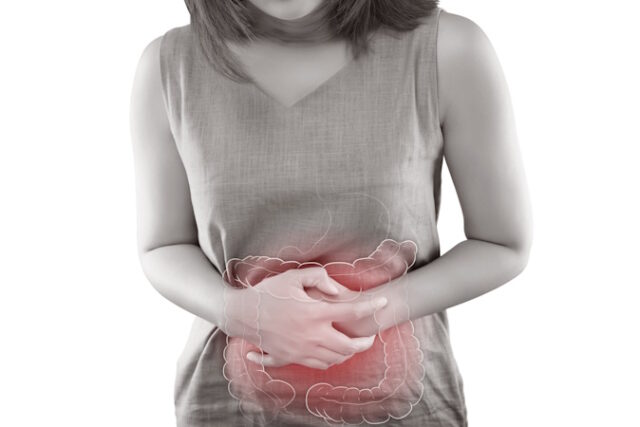
Bloating, that unsettling sensation of fullness and constriction in the abdomen, is a frequent issue for many people.
However bloating, may be more than just a little discomfort for certain people; it may also be a major sign of the complex gastrointestinal condition known as Irritable Bowel Syndrome (IBS).
This article investigates the complex relationship between bloating and IBS.
What Is Bloating?
Bloating is a prevalent gastrointestinal ailment marked by an abdominal feeling of fullness and swelling. It happens when too much gas builds up in the intestines, causing pain and distension. Eating particular foods that induce gas or problems with the gut’s motility and metabolism can all contribute to this illness.

After meals, bloating happens frequently and may be subsequent to burping or gas. Although chronic or severe bloating is typically not a serious medical concern, it may be a sign of gastrointestinal disorders or an underlying condition like irritable bowel syndrome (IBS), necessitating additional testing and therapy.
What Is Irritable Bowel Syndrome (IBS)?
A functional gastrointestinal illness called Irritable Bowel Syndrome (IBS) is characterized by recurring abdominal pain or discomfort and changes in bowel habits. It may also result in diarrhea, constipation, or spells of both. IBS is a long-term disorder that affects the colon or large intestine and has a profound effect on a person’s quality of life.
Irrespective of the fact that the precise cause of IBS is unknown, it may be the result of a number of variables, including irregular gut motility, sensitivity to intestinal discomfort, and issues with the gut-brain axis. Dietary modifications, stress reduction techniques, and symptom-relieving drugs can help in management.
Mechanisms behind Bloating in IBS
The causes of bloating associated with Irritable Bowel Syndrome (IBS) are complex and include a number of elements. Among the important mechanisms are:
Intestinal Gas Accumulation
Gas is a normal consequence of digestion, but IBS patients may experience excessive gas production or slower gas clearance, which can cause gas to build up in the intestines. This extra gas makes you feel bloated.
Changes in Gut Motility
A disruption in the intestines’ regular rhythmic contractions can cause IBS and result in aberrant motility patterns. This may cause food and gas to flow through the gastrointestinal tract more slowly or inconsistently, which can result in gas buildup and bloating.
Visceral Hypersensitivity
IBS sufferers frequently exhibit greater sensitivity to digestive system feelings. Even typical levels of gas and stools might feel uncomfortable or painful, which makes you feel bloated.
Gut Microbiota Imbalance
The gut microbiota, a huge colony of bacteria, resides in our stomach. This microbial community may be out of balance in people with IBS, which results in more gas production as some bacteria ferment the particles of food.
Food Intolerances and Sensitivities
Certain foods, especially those high in fermentable carbohydrates (FODMAPs), might cause bloating in those who are prone to it. The gastrointestinal tract may be more sensitive to these meals in those with IBS, which could result in greater gas and bloating.
Swallowing Air
Bloating may occasionally result from excessive air swallowing (aerophagia), which builds up in the digestive tract and stays inside.
Managing Bloating in Individuals with IBS
Bloating in people with IBS must be managed using a multifaceted strategy that targets the root causes and triggers. For people with IBS, the following techniques can reduce bloating and enhance general well-being:
Identify Trigger Foods
Maintain a food journal to identify the foods that make bloating worse so you can avoid or limit them from your diet. High FODMAP meals, gas-producing veggies (including broccoli and cauliflower), carbonated drinks, and certain sweeteners (like sorbitol) are a few common triggers.
Probiotics and Prebiotics
Probiotics are good microorganisms that can help regulate the gut and reduce bloating. Fibers called prebiotics feed these advantageous microorganisms. To further support your digestive health, try out fiber-rich colon cleanse products. Include prebiotic and probiotic-rich items in your diet, such as bananas and garlic, or think about taking probiotic supplements.
Regular Exercise
You can reduce bloating and maintain a healthy bowel system by regular physical activity. On most days of the week, try to get in at least 30 minutes of moderate activity.
Medications
Bloating brought on by gas can be relieved with antacids or simethicone. Your doctor may prescribe drugs to control bowel movements, lessen inflammation, or treat pain depending on the individual symptoms.
Meal Planning
Plan your meals in advance and eat smaller, more frequent meals to help you produce less gas as you eat. Avoid eating huge meals that may strain your digestive system and cause bloating.
Gradual Dietary Changes
Instead of making radical changes all at once, gradually alter your diet to allow your gut to acclimate.
Practice Relaxation Techniques
To lessen stress and its effects on the gut, try yoga, deep breathing techniques, meditation, or mindfulness.
Hydration
Drink a lot of water all day long to promote healthy digestion and ward off constipation.
Avoid Swallowing Air
To reduce the amount of air swallowed, chew food carefully, refrain from using a straw when drinking, and avoid chewing gum.
Consult a Healthcare Provider
Seek medical advice if bloating is persistent or severe so you can rule out other potential medical concerns and receive specific remedy suggestions.
Bloating is a common and uncomfortable symptom of Irritable Bowel Syndrome. The complexity of IBS shows its connection to aberrant gut motility, gas buildup, and the gut-brain axis.
People with IBS may attain relief and enhance their general well-being by comprehending these mechanisms and using an appropriate strategy for management.
Future studies have the potential to further our understanding of this difficult condition and improve the quality of life for people who suffer from it.
Disclaimer
Artificial Intelligence Disclosure & Legal Disclaimer
AI Content Policy.
To provide our readers with timely and comprehensive coverage, South Florida Reporter uses artificial intelligence (AI) to assist in producing certain articles and visual content.
Articles: AI may be used to assist in research, structural drafting, or data analysis. All AI-assisted text is reviewed and edited by our team to ensure accuracy and adherence to our editorial standards.
Images: Any imagery generated or significantly altered by AI is clearly marked with a disclaimer or watermark to distinguish it from traditional photography or editorial illustrations.
General Disclaimer
The information contained in South Florida Reporter is for general information purposes only.
South Florida Reporter assumes no responsibility for errors or omissions in the contents of the Service. In no event shall South Florida Reporter be liable for any special, direct, indirect, consequential, or incidental damages or any damages whatsoever, whether in an action of contract, negligence or other tort, arising out of or in connection with the use of the Service or the contents of the Service.
The Company reserves the right to make additions, deletions, or modifications to the contents of the Service at any time without prior notice. The Company does not warrant that the Service is free of viruses or other harmful components.