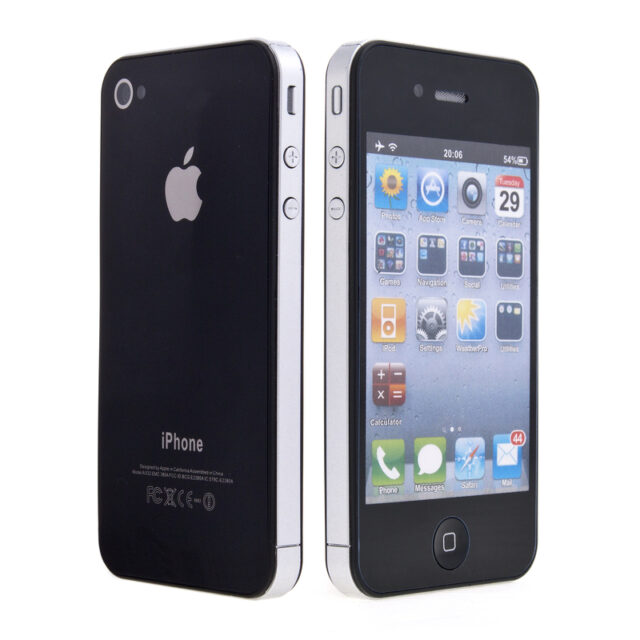
In a move that underscores its reputation for industry-leading device longevity, Apple has released a series of surprise software updates for legacy iPhones and iPads, some of which were first introduced over twelve years ago. The updates, which began rolling out this week, target older versions of iOS that many had assumed were long since abandoned by the Cupertino tech giant. By pushing these patches, Apple is effectively preventing a “digital sunset” for millions of older devices that remain in use as secondary phones, emergency backups, or dedicated tools for children and seniors.
A Lifeline for the iPhone 5s
The most notable of the releases is iOS 12.5.8, designed specifically for hardware that cannot run modern software. This includes the iPhone 5s (launched in 2013), the iPhone 6, and the iPhone 6 Plus. While these devices have not received a major feature update in years, the new patch addresses a looming infrastructure deadline.
According to Apple’s technical documentation, the primary purpose of these legacy updates is to renew essential security certificates. These digital certificates act as the “handshake” between the device and Apple’s servers. Without this renewal, core services including iMessage, FaceTime, and even the ability to activate a freshly restored device would have ceased to function by January 2027. By issuing the patch now, Apple has guaranteed that these devices can continue to perform their basic communication functions for at least several more years.
Wide-Ranging Support Across Generations
The maintenance effort wasn’t limited to the oldest models. Apple released a coordinated wave of updates across multiple older software branches:

- iOS 12.5.8: For iPhone 5s, iPhone 6, iPad Air (1st Gen), iPad mini 2, and iPad mini 3.
- iOS 15.8.6: For iPhone 6s, iPhone 7, and the original iPhone SE.
- iOS 16.7.13: For iPhone 8, 8 Plus, and iPhone X.
- iOS 18.7.4: For iPhone XS and XR users who have not yet moved to the latest major OS.
While these updates do not typically include new features or the “Liquid Glass” design language found in the newly released iOS 26, they are considered “critical maintenance.” Interestingly, the rollout faced a brief hurdle in mid-week when reports surfaced of network connectivity issues on some iPhone 8 and iPhone X models in Australia. Apple briefly paused the signing of certain versions, such as iOS 16.7.13, to address a bug that reportedly interfered with emergency calls (Triple Zero) before resuming the rollout with a carrier-side fix.
Why Support “Obsolete” Hardware?
The decision to support 13-year-old hardware is almost unheard of in the smartphone industry. Most competitors stop providing security updates after four to seven years. Apple’s decision likely stems from a combination of ecosystem stability and regulatory pressure.
In recent years, regulators in the UK and EU have tightened requirements regarding the “minimum support period” for electronics to reduce e-waste. By keeping the iPhone 5s functional for basic messaging and emergency calls, Apple prevents these devices from becoming immediate “bricks,” thereby extending their lifecycle. Furthermore, Apple’s business model increasingly relies on services like iCloud and the App Store. Even a user on an iPhone 6 might still be a paying subscriber to a basic iCloud storage plan or Apple Music, making it in the company’s interest to keep the device connected to the Apple ID ecosystem.
Security Implications
Despite the “security certificate” label, experts warn that these patches do not make old iPhones “secure” in the modern sense. The built-in Safari browser on iOS 12, for example, is years behind on modern web standards and lacks the sophisticated memory protections found in current versions.
“This is about functional life support, not total security,” says one analyst. “You can still use these for iMessage and FaceTime, but using them for high-risk activities like banking or browsing the open web is still a significant risk because the underlying browser engine is fundamentally outdated.”
The updates arrive alongside iOS 26.2.1, the latest version for modern iPhones, which introduces new “Background Security Improvements.” This new system allows Apple to push lightweight security patches to system libraries and Safari without requiring a full OS reboot—a feature notably absent from the legacy versions patched this week.
What Users Should Do
If you have an old iPhone or iPad tucked away in a drawer, now is the time to charge it and check for updates. To install the patch, navigate to Settings > General > Software Update. While these devices won’t suddenly feel faster or gain new emojis, the update ensures that they remain viable as “emergency” devices that can still reach family via iMessage or video call through 2027 and beyond.
Sources and Further Reading
- Apple Support: About the security content of iOS 26 and iPadOS 26
- Macworld: Apple updates iOS 12 for the first time since 2023
- TechRepublic: Apple Issues Urgent Software Fix Affecting Over 2 Billion iPhones
- NotebookCheck: Apple releases surprise updates for old iPhones and iPads
- TechRadar: Apple just patched some versions of iOS that are over a decade old
- Android Authority: Apple shames Android with a software update for a 13-year-old iPhone
Disclaimer
Artificial Intelligence Disclosure & Legal Disclaimer
AI Content Policy.
To provide our readers with timely and comprehensive coverage, South Florida Reporter uses artificial intelligence (AI) to assist in producing certain articles and visual content.
Articles: AI may be used to assist in research, structural drafting, or data analysis. All AI-assisted text is reviewed and edited by our team to ensure accuracy and adherence to our editorial standards.
Images: Any imagery generated or significantly altered by AI is clearly marked with a disclaimer or watermark to distinguish it from traditional photography or editorial illustrations.
General Disclaimer
The information contained in South Florida Reporter is for general information purposes only.
South Florida Reporter assumes no responsibility for errors or omissions in the contents of the Service. In no event shall South Florida Reporter be liable for any special, direct, indirect, consequential, or incidental damages or any damages whatsoever, whether in an action of contract, negligence or other tort, arising out of or in connection with the use of the Service or the contents of the Service.
The Company reserves the right to make additions, deletions, or modifications to the contents of the Service at any time without prior notice. The Company does not warrant that the Service is free of viruses or other harmful components.