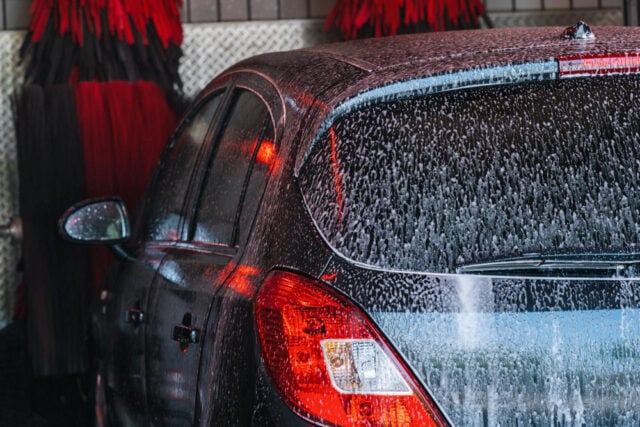
A car can collect plenty of dirt without leaving its parking space. An overhead tree, a busy curbside location, or nearby construction can change what lands on the vehicle and how soon it needs attention. How often you wash your car should reflect the conditions and your driving routine.
Before searching for a car wash near you, take a quick look at what has collected on your car. One fresh bird dropping calls for prompt spot care. A layer of dust, pollen, and road grime across several panels may call for a full exterior wash. The useful distinction is the type and spread of the mess.
Parking under trees brings more than falling leaves
A shaded space can come with bird droppings, sticky deposits, pollen, and small bits of tree debris. Check the roof, hood, and windshield when you return to the car, especially if you repeatedly find residue in the same areas. Bird droppings and sap require prompt attention because they can damage the finish if left in place.
If you need to know how to remove bird droppings from car paint, start by softening the residue with water. Let it loosen, then use a clean, soft cloth with light pressure. Avoid scraping dried material, and follow the vehicle’s care instructions when choosing cleaning products.

Remove loose leaves and twigs from around the windshield without dragging them across painted surfaces. When you can choose a space, debris on the ground can clue you in on what might collect overhead. If your assigned spot sits beneath a tree, a brief check when you return can help you catch fresh deposits.
Open lots leave the whole vehicle exposed
In an uncovered apartment or workplace lot, a car remains exposed to windblown dust, seasonal pollen, and changing weather throughout the day. Dirt may be spread across the vehicle, making several small wipe-downs less practical than a full wash. After a windy day or a period of heavy pollen, look beyond the windshield to the roof and hood.
Rain does not tell you whether the car is clean. After it dries, check the surface for remaining film, streaks, or spots. Landscaped parking areas add another possible source of residue: sprinklers. Minerals in water can remain after droplets evaporate, forming water marks on the finish. If the same side of the car gets sprayed repeatedly, a space outside the sprinkler’s reach may reduce that exposure.
Street parking puts lower panels near road spray
A curbside space beside moving traffic can expose a car’s street-facing side to splashes from wet pavement and puddles. Check the lower doors, wheels, and areas around the wheel openings as well as the upper surfaces. Where winter roads are treated, salt and slush may also be part of the residue.
Look inside, too. A muddy curb or a parking area covered in grit and leaves can mean more debris carried in on shoes. Check the driver’s footwell and floor mats, and vacuum loose dirt as needed. Interior cleanup can follow a different rhythm from exterior washing, particularly when the walk from the parking space is messy.
Garages and carports change the exposure
A fully enclosed garage shelters a parked car from direct rain and falling tree debris. A carport or an open-sided parking deck offers partial shelter, so spaces near the edges may still collect windblown dust or rainwater. Consider the actual space when deciding how much protection the structure provides.
When you park indoors, whatever the car collected on the drive home sits on the vehicle. Road film from a wet commute still needs attention, even if the vehicle spends the night under cover. If it is driven infrequently and remains visibly clean, it may need fewer full washes than a car with regular outdoor exposure. Continue checking for individual deposits between washes.
Construction areas can create recurring dust
Construction sites and unpaved roads are sources of airborne particles. If you park beside an active work area or a gravel access road, look for a fresh coating of dust when you return. A car that looks dusty soon after cleaning may simply have been exposed again.
Avoid wiping dusty body panels with a dry towel. Exterior washing guidance recommends rinsing away loose dirt before washing to reduce the chance of scratching. Use the method appropriate for your vehicle’s finish. If you find unfamiliar deposits firmly stuck to the surface, seek professional advice before trying stronger cleaners or abrasive tools.
Where another permitted space is available, moving away from the active work area may help. When parking is fixed, use changes in visible dust to decide whether your cleaning routine needs to change as the work continues.
Match the cleaning routine to what keeps returning
Over your next few washes, notice where the car has been parked and which areas need the most attention. Repeated dust or pollen on the exterior points toward a recurring need for more thorough washing. Address an isolated drop when you find it. If a stain, dull patch, or outline remains after the surface residue is gone, stop rubbing and have a qualified detailer assess it. A standard wash cannot promise to correct existing finish damage.
If recurring exposure already has you paying for frequent washes, comparing car wash membership options near you may be useful. Compare the monthly cost with the number of washes you would realistically use, plus participating locations, wash limits, and renewal or cancellation terms. Membership value depends on your actual routine.
You may have little control over where you park at home or work. Use what you can observe: the deposits overhead, the grime along the sides, and how quickly each returns. Address fresh spots promptly and adjust full washes to the broader cleaning need as your parking conditions change.
Disclaimer
Artificial Intelligence Disclosure & Legal Disclaimer
AI Content Policy.
To provide our readers with timely and comprehensive coverage, South Florida Reporter uses artificial intelligence (AI) to assist in producing certain articles and visual content.
Articles: AI may be used to assist in research, structural drafting, or data analysis. All AI-assisted text is reviewed and edited by our team to ensure accuracy and adherence to our editorial standards.
Images: Any imagery generated or significantly altered by AI is clearly marked with a disclaimer or watermark to distinguish it from traditional photography or editorial illustrations.
General Disclaimer
The information contained in South Florida Reporter is for general information purposes only.
South Florida Reporter assumes no responsibility for errors or omissions in the contents of the Service. In no event shall South Florida Reporter be liable for any special, direct, indirect, consequential, or incidental damages or any damages whatsoever, whether in an action of contract, negligence or other tort, arising out of or in connection with the use of the Service or the contents of the Service.
The Company reserves the right to make additions, deletions, or modifications to the contents of the Service at any time without prior notice. The Company does not warrant that the Service is free of viruses or other harmful components.