Have you ever looked at the back of a soda can, stared at a long chemical name, and thought, “What even is that, and why am I drinking it?” You are definitely not alone. These days, shoppers are looking at food and beverage labels closer than ever before. People don’t just want to know what they are putting into their bodies—they want context, facts, and reassurance.
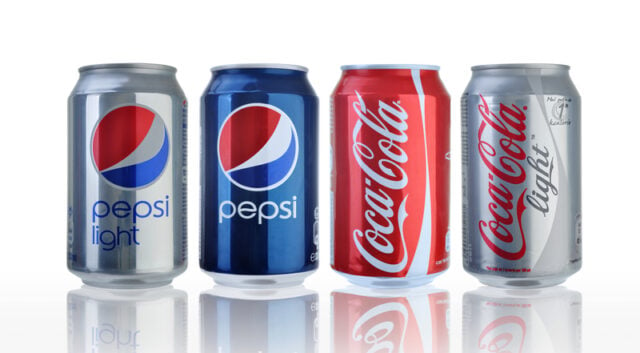
Because of this shifting tide, the biggest names in the beverage business are making a massive play for transparency. Companies like Coca-Cola, PepsiCo, and Keurig Dr Pepper are completely revamping their packaging. They are rolling out smartphone-scannable QR codes across their entire lineups of sodas, energy drinks, and flavored waters. If you scan one, it will take you behind the curtain to show you exactly what those mystery ingredients are and, crucially, why global health regulators say they are perfectly safe to consume.
This entire movement is part of a major expansion of a project called the “Good to Know” initiative. It was originally launched by the American Beverage Association (ABA), and it represents a big shift in how the food and beverage industry handles public relations and consumer education. Instead of just listing a wall of text that requires a chemistry degree to decipher, companies are trying to build trust by opening up their playbooks.
Shifting the Power to Your Smartphone
The core idea here is incredibly simple: use technology to bridge the gap between corporate recipes and consumer anxiety. When you scan one of these new QR codes on a bottle of Coke or a can of Pepsi, you won’t just get a generic marketing page. Instead, you will be directed to a massive database that covers 140 common beverage ingredients.

Once you are in the system, you can look up specific additives, see what function they actually serve—like keeping a drink from separating or preserving its flavor—and find out what other kinds of products use them. But the biggest differentiator is where the data comes from. The platform does not rely on studies funded by the beverage companies themselves. Instead, it directly links consumers to official, third-party safety assessments from major international regulatory bodies.
If you are curious about a specific sweetener, preservative, or coloring agent, the database points you straight to the official findings of the U.S. Food and Drug Administration (FDA), the European Food Safety Authority (EFSA), and Health Canada. The goal is to let shoppers see the hard science for themselves, unfiltered by corporate spin.
Why Is This Happening Right Now?
This sudden push for deep transparency isn’t happening in a vacuum. It is a direct response to a highly politicized, increasingly loud cultural conversation about what goes into American grocery carts. The food industry is facing intense scrutiny from both wellness influencers on social media and high-profile political figures who have made food safety a cornerstone of their platforms.
In particular, Health and Human Services Secretary Robert F. Kennedy Jr. has brought immense public attention to the issue. He has frequently targeted a specific regulatory framework known as GRAS, which stands for “Generally Recognized as Safe.” Under the current system, companies have historically been able to self-affirm that certain new chemicals or additives are safe without undergoing a lengthy, formal FDA review process before hitting store shelves. Critics call this a massive loophole that compromises public health.
With the federal government threatening to crack down and overhaul how ingredients are approved, big beverage brands are moving quickly to protect their reputations. By voluntarily throwing open the doors and showing that their current ingredients have already passed rigorous international safety bars, they are trying to get ahead of the political narrative. Interestingly, as part of this new transparency push, these beverage giants have also announced their support for modernizing the GRAS framework, signaling that they are willing to accept stricter regulatory oversight going forward.
A Coordinated Industry Effort
While the beverage sector is moving fast with its “Good to Know” program, this is actually part of a much broader, cross-industry trend toward digital labeling. The consumer goods sector has been building toward this for a while under an umbrella project called “SmartLabel,” which is run by the Consumer Brands Association.
The SmartLabel database is massive, covering more than 106,000 products from over 1,000 different brands. The beverage industry’s new initiative is designed to work hand-in-hand with that existing system. Some of the brands you buy every day will actually participate in both platforms. PepsiCo has already taken the lead by linking its product QR codes to the new database, and the rest of the major players—including Coca-Cola, Keurig Dr Pepper, Red Bull, and Polar—have officially committed to updating their entire portfolios by the end of 2027.
What we are witnessing is the slow death of the traditional, static nutrition label. For decades, the black-and-white box on the back of a package was the only tool a shopper had. But a simple list of ingredients doesn’t tell the whole story, and in an era where consumers are deeply skeptical of processed foods, silence looks a lot like guilt. By turning product packaging into a digital portal, the beverage industry is betting that total transparency is the best way to keep consumers cracking open cold cans for years to come.
Sources and Links:
- Food Dive Article: “PepsiCo, Coca-Cola to add QR codes for ingredients transparency” by Sarah Zimmerman (Published June 25, 2026).
- Industry Organizations Mentioned: American Beverage Association (ABA) and the Consumer Brands Association.
Disclaimer
Artificial Intelligence Disclosure & Legal Disclaimer
AI Content Policy.
To provide our readers with timely and comprehensive coverage, South Florida Reporter uses artificial intelligence (AI) to assist in producing certain articles and visual content.
Articles: AI may be used to assist in research, structural drafting, or data analysis. All AI-assisted text is reviewed and edited by our team to ensure accuracy and adherence to our editorial standards.
Images: Any imagery generated or significantly altered by AI is clearly marked with a disclaimer or watermark to distinguish it from traditional photography or editorial illustrations.
General Disclaimer
The information contained in South Florida Reporter is for general information purposes only.
South Florida Reporter assumes no responsibility for errors or omissions in the contents of the Service. In no event shall South Florida Reporter be liable for any special, direct, indirect, consequential, or incidental damages or any damages whatsoever, whether in an action of contract, negligence or other tort, arising out of or in connection with the use of the Service or the contents of the Service.
The Company reserves the right to make additions, deletions, or modifications to the contents of the Service at any time without prior notice. The Company does not warrant that the Service is free of viruses or other harmful components.