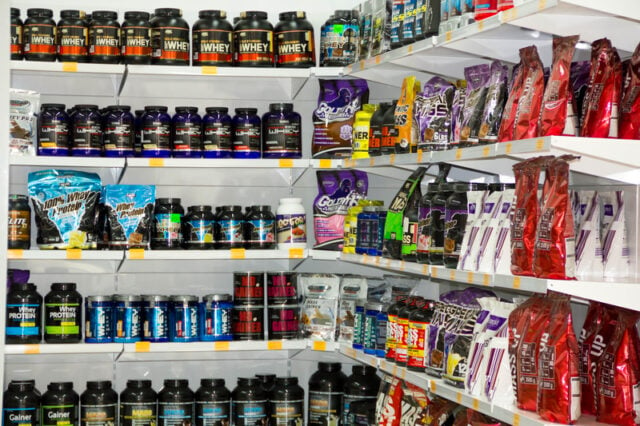
If you still think the protein market is just about massive plastic tubs of chalky powder sitting on the shelves of your local vitamin shop, it is time for a major reality check. The global protein industry is currently going through a staggering, multi-front revolution. In 2026, we are watching three completely different, massive trends collide at the exact same time.
First, a pharmaceutical boom is completely altering how millions of people manage their daily nutrition. Second, a sudden supply crisis has sent dairy commodity prices into absolute overdrive. And finally, regular shoppers are demanding that protein be infused into everyday grocery items, dragging the entire category out of the gym and straight into the mainstream supermarket aisle.
What used to be a steady, predictable market has transformed into a high-stakes arena where global brands are quite literally fighting over a limited supply of ingredients. Let us lift the hood on this $133 billion industry to see what is driving the chaos, who is winning, and how these disruptions affect everything from your morning snack to the global supply chain.
The GLP-1 Effect: When Weight Loss Sparks a Dairy Squeeze
It is impossible to talk about nutrition in 2026 without addressing the massive elephant in the room: GLP-1 receptor agonists. Medications like Ozempic, Wegovy, and Mounjaro are no longer just niche medical treatments; they are being utilized by roughly 12% of the adult population in the United States alone. While these medications are celebrated for their ability to suppress appetite and accelerate weight loss, they come with an unintended nutritional side effect: challenges in preserving muscle mass.

When people lose weight rapidly on a GLP-1 protocol, their bodies do not just shed fat—they can lose a significant amount of lean muscle mass too. To prevent this, doctors, dietitians, and healthcare providers are universally prescribing high-protein diets alongside the medication. Patients who barely thought about their macronutrient intake a couple of years ago are now tracking grams of protein like seasoned bodybuilders.
The math behind this shift is mind-boggling. Industry analysts estimate that if just 25% of the eligible population adopting GLP-1 therapies follows the recommended medical protein protocols, global demand for whey protein would surge by an additional 3 billion kilograms. The problem? The industrial dairy infrastructure required to process that much high-grade whey simply does not exist right now. This sudden, massive influx of clinical demand has blindsided suppliers, creating an incredibly tight bottleneck.
Inside the Great Whey Price Shock of 2026
Because of this unprecedented demand, the wholesale dairy market is experiencing a once-in-a-generation price shock. Whey protein isolate (WPI), which contains at least 90% pure protein and is highly prized for its fast absorption and clean macronutrient profile, has seen its spot prices jump to record levels. According to agricultural and market data, WPI spot prices have soared to around $11 to $13 per pound—levels never before recorded in the history of the United States Department of Agriculture (USDA) or major dairy commodity trackers.
Meanwhile, Whey Protein Concentrate (WPC 80%), a standard staple in thousands of consumer products, has experienced a jaw-dropping 250% wholesale price spike over the last year. Take a look at how this intense volatility is fracturing the market across different ingredient types:
| Protein Type | Pricing Trajectory | Primary Consumer Base | Core Market Disruptor |
| Whey Protein Isolate (WPI) | Historic highs ($11–$13/lb), up 150%+ | Premium fitness brands, GLP-1 clinical nutrition, gut-health buyers | Extreme institutional demand, severe domestic processing bottlenecks |
| Whey Protein Concentrate (WPC 80%) | Wholesale costs skyrocketed by 250% | Mid-market sports supplements, mainstream food manufacturers | Widespread integration into everyday consumer snack foods |
| Pea Protein Isolate | Stable, highly competitive pricing | Eco-conscious buyers, price-sensitive consumers, vegan brands | Massive processing capacity expansion in North America |
This pricing crisis is creating a dramatic split in consumer behavior. On one hand, urban, health-conscious consumers who prioritize purity are actively trading up from concentrate to isolate, especially as awareness around gut health grows. On the other hand, more price-sensitive buyers are feeling the sting of inflation and are moving in the opposite direction—abandoning expensive whey products altogether in favor of plant-based alternatives or cheaper blended formulas. Mid-market brands caught in the crossfire are finding it nearly impossible to absorb these raw material costs, forcing them to raise retail shelf prices or quietly alter their recipes.
To visualize how these competing forces influence market equilibrium, you can experiment with the interactive market simulator below. By adjusting the rate of GLP-1 adoption and scaling up production infrastructure, you can see exactly how the global supply gap and wholesale prices react in real time.
The FMCG Revolution: Moving Beyond the Shaker Cup
While the supply side is scrambling to handle the squeeze, the demand side is being completely rewired by Fast-Moving Consumer Goods (FMCG) companies. Protein is no longer confined to post-workout shakes. Mainstream food giants have realized that adding a “High Protein” banner to a product label acts like a magnet for modern shoppers.
Today, you can find protein-enriched variations of almost everything in a standard supermarket aisle. Breakfast cereals, potato chips, cookies, ready-to-drink (RTD) coffees, yogurts, and even baking flour are getting a protein upgrade. These everyday food formats are actually outpacing traditional supplement powders in terms of overall user base growth.
The strategy here is brilliant but disruptive: FMCG brands are catering to mainstream consumers who prioritize taste, convenience, and familiarity over pure, raw protein density. A shopper might not want to drink a heavy whey shake, but they will gladly buy a high-protein iced coffee or a pack of protein cookies for their afternoon snack. Because these massive food conglomerates have deep pockets, they have rushed into the commodities market to secure massive quantities of whey, leaving smaller sports nutrition startups out in the cold and fighting over whatever supply remains.
The Structural Rise of Plant-Based Alternatives
With whey protein essentially sold out through major forward contracts for the rest of 2026, the industry is experiencing a massive structural shift toward plant-based alternatives. This is not a temporary trend driven by a passing fad; it is a permanent rewiring of the agricultural supply chain.
Pea protein, in particular, is having a major breakout moment. To fill the massive void left by the dairy shortage, North American processing infrastructure has expanded at an unbelievable pace. For example, Canadian pea protein processing capacity recently grew by a massive 1 million metric tons. A single facility in Manitoba, operated by industry giant Roquette, now manufactures roughly 40% of all the plant-protein isolates used across North America.
As shown in the technical processing layout above, isolating plant protein at this scale requires a highly sophisticated sequence of extraction decanters, centrifugal clarifiers, and starch washers to separate raw peas into pure protein isolates, starches, and fibers. This heavy industrial backing means that plant proteins can finally compete with dairy on price, reliability, and volume. Furthermore, this shift is being aggressively accelerated by sustainability mandates. Major multinational food manufacturers are heavily focused on reducing their Scope 3 greenhouse gas emissions, and swapping out animal-based dairy proteins for low-carbon plant alternatives is one of the fastest ways to hit those corporate climate targets.
The Road Ahead for the Protein Industry
We are looking at an entirely new playbook for the global protein market. The industry has evolved from a simple athletic subculture into a complex, vital pillar of mainstream consumer health, wellness, and clinical medicine.
While heavy investments are pouring into building new processing plants and expanding dairy infrastructure—such as major expansions planned by agricultural giants like Glanbia—meaningful supply relief is still a long way off. In the near term, we should expect to see continued price volatility, creative product reformulations, and an even stronger push toward alternative plant and fermentation-derived proteins. One thing is absolutely certain: the way the world views, buys, and consumes protein has changed forever.
Sources and Links:
- PR Newswire Market Report: 2026 Protein Market Report via PR Newswire / Alternative Reference Link
- The Independent Industry Squeeze Analysis: Protein Craze and Wholesale Price Surges
- Mass Market Retailers Commodity Tracking: GLP-1 Medication Impact on Grocery and Dairy Commodities
- DairyNews Agribusiness Report: US Wholesale Pricing Squeeze and Export Shifts
Disclaimer
Artificial Intelligence Disclosure & Legal Disclaimer
AI Content Policy.
To provide our readers with timely and comprehensive coverage, South Florida Reporter uses artificial intelligence (AI) to assist in producing certain articles and visual content.
Articles: AI may be used to assist in research, structural drafting, or data analysis. All AI-assisted text is reviewed and edited by our team to ensure accuracy and adherence to our editorial standards.
Images: Any imagery generated or significantly altered by AI is clearly marked with a disclaimer or watermark to distinguish it from traditional photography or editorial illustrations.
General Disclaimer
The information contained in South Florida Reporter is for general information purposes only.
South Florida Reporter assumes no responsibility for errors or omissions in the contents of the Service. In no event shall South Florida Reporter be liable for any special, direct, indirect, consequential, or incidental damages or any damages whatsoever, whether in an action of contract, negligence or other tort, arising out of or in connection with the use of the Service or the contents of the Service.
The Company reserves the right to make additions, deletions, or modifications to the contents of the Service at any time without prior notice. The Company does not warrant that the Service is free of viruses or other harmful components.