— Mixed record —
A new report examining vaccine access laws nationwide finds Florida has expanded the role pharmacies play in administering adult vaccines, but still falls short of policies advocates say would further improve access.
The study, produced by Manatt Health for the American Disease Prevention Coalition, reviews pharmacy vaccination authority across all 50 states and concludes that significant differences remain in how states authorize pharmacists, pharmacy interns and pharmacy technicians to administer vaccines.

Researchers found that community pharmacies have become an increasingly important point of access for vaccinations, noting that 93% of Americans live within five miles of a pharmacy. Yet only 20% of U.S. adults receive all vaccines recommended by federal health officials.

In Florida, pharmacy interns are permitted to administer adult vaccines under the supervision of a pharmacist. Pharmacy technicians may also administer vaccines, but their authority is limited to adult immunizations. Researchers found that Florida exemplifies both the progress states have made in expanding pharmacy vaccination authority and the policy variations that persist nationwide.
The study notes nearly 90% of states now allow pharmacy technicians to administer vaccines, up from fewer than 30% in 2021. The number of states authorizing pharmacy technicians to vaccinate grew from 14 in 2021 to 46 in 2024.
The report identifies three policy approaches it says would improve adult vaccine access: broadly authorizing FDA-approved or CDC-recommended adult vaccines, reducing prescription and physician protocol requirements, and allowing trained pharmacy interns and technicians to administer the same adult vaccines as pharmacists under appropriate supervision.
“We continue to see growth in demand for pharmacy-based vaccines,” said Kayla McFeely, vice president of Health and Wellness Strategy and Policy for the National Association of Chain Drug Stores. “Previously, most people got seasonal vaccines like flu at a doctor’s office. But now, most adults get their flu shots at a pharmacy.”
McFeely said pharmacies help address access barriers by offering walk-in appointments, extended hours and convenient locations. At the same time, coalition officials argued that broader authority for pharmacy personnel could further expand vaccination capacity.
The report comes as states continue to evaluate which pandemic-era expansions in pharmacy practice should remain in place and how best to improve adult vaccination rates.

— Slight dip —
Florida’s combined Medicaid and Children’s Health Insurance Program enrollment has dipped slightly below pre-pandemic levels, according to February 2026 data compiled by KFF.
The latest figures show 3.58 million Floridians enrolled in Medicaid or CHIP as of February, down from 3.60 million in February 2020, the month before the COVID-19 pandemic disrupted enrollment patterns nationwide.
KFF’s Medicaid Enrollment and Unwinding Tracker shows Florida had 5.09 million people enrolled in Medicaid or CHIP in March 2023 — the comparison point it uses for post-pandemic unwinding — but Florida’s Medicaid caseload crested at 5.58 million in the 2022-23 fiscal year, according to the Social Services Estimating Conference.

Nationally, Medicaid and CHIP enrollment remains 5% above pre-pandemic levels. Florida is among a minority of states where combined enrollment has fallen below the February 2020 baseline.
Child enrollment in Medicaid and CHIP fell from 2.41 million in February 2020 to 2.30 million in February 2026, a decline of roughly 107,000 children, or 4%. Meanwhile, adult enrollment is at 1.28 million, up from 1.19 million before the pandemic, an increase of about 87,000 adults, or 7%. While above the February 2020 baseline, the most significant decline occurred within CHIP, where enrollment dropped from 240,730 children six years ago to 165,278 in February, a decrease of 31%. Medicaid enrollment alone remains slightly above pre-pandemic levels, with 3.41 million in February 2026, up from 3.36 million six years earlier.
The CHIP dip comes amid the state’s ongoing dispute over a federal rule requiring 12 months of continuous eligibility for children enrolled in the program, even if their parents miss a premium payment. The dispute has delayed the implementation of a 2023 law that, at the time, was expected to expand eligibility to about 40,000 children.
KFF’s tracker uses monthly enrollment data reported by the Centers for Medicare & Medicaid Services.
— Big wins —
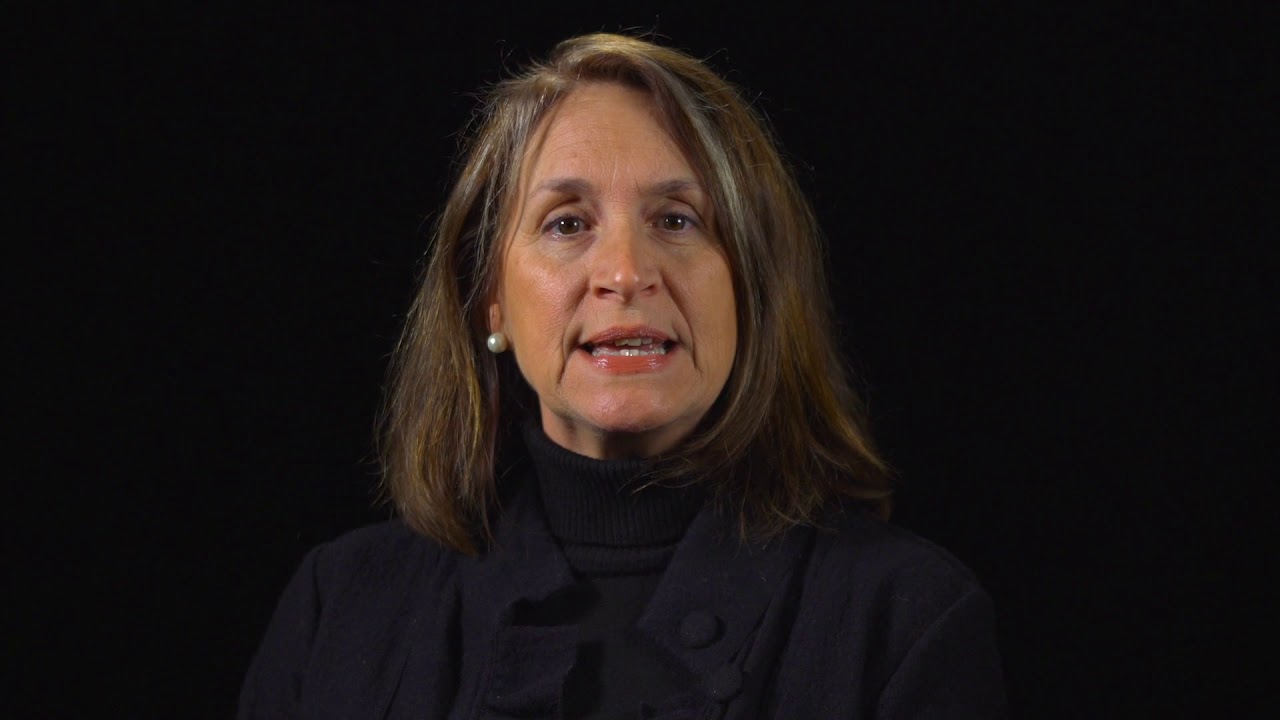
The Florida Behavioral Health Association is celebrating some funding boosts in the 2026-27 state budget.
“With this investment in Florida’s community mental health and substance use disorder services, providers can continue to offer the full continuum of behavioral healthcare to individuals and families,” FBHA President and CEO Melanie Brown Woofter said.
“In a tight budget year when difficult decisions had to be made, these increases to mental health and substance use services drive home the message that the well-being of all Floridians remains critically important.”
FBHA specifically called out a $5 million increase for the 988 Suicide & Crisis Lifeline, $7 million for Central Receiving Facilities and nearly $10 million for additional community treatment beds.
The budget also continues spending from Florida’s opioid settlement funds, adds $15 million for children’s inpatient psychiatric services and includes a 5% rate increase for providers delivering substance use treatment as an alternative to incarceration.
“On behalf of FBHA’s community mental health and substance use disorder providers statewide, we are grateful to the Senate and House of Representatives for continuing to recognize the importance of mental health and substance use disorder services by boldly taking innovative steps to help community providers save lives, and create stronger families and safer communities,” Brown Woofter added.

— Big smiles —
Gov. Ron DeSantis has signed legislation expanding eligibility for Florida’s Veterans Dental Care Grant Program, allowing more veterans to qualify for state-supported oral health services.
The measure (HB 253), sponsored by Reps. Jervonte Edmonds and Ashley Gantt, raises the program’s income threshold to 400% of the federal poverty level. The program had previously been limited by the Department of Veterans’ Affairs rule to veterans earning up to 300% of the federal poverty level.

The Veterans Dental Care Grant Program was created in 2023 and is administered through the Florida Department of Veterans’ Affairs and the Florida Veterans Foundation. It provides dental services to qualifying veterans who may not otherwise have access to care.
According to the bill analysis, Florida currently appropriates $1 million annually to support the program, and the eligibility expansion is expected to be absorbed within existing funding levels.
The law takes effect July 1.
— Not too shabby —
According to a new analysis from WalletHub, Floridians spend less of their income on healthcare than residents of most other states.
The personal finance website ranked Florida as the state where residents spend the seventh-lowest percentage of their income on healthcare, calculating that the average monthly cost of basic medical services and prescription drugs amounts to about 6.05% of median household income. The average monthly healthcare cost in Florida was estimated at $376.23.

WalletHub compared the cost of doctor, dentist and optometrist visits, along with prices for common medications, against the median household income in each state. Florida ranked 40th for doctor visits, 41st for dentist visits and 47th for optometrist visits, suggesting that relatively higher incomes — rather than unusually low medical prices — helped drive the state’s favorable ranking.
“Sharp increases in healthcare costs in recent years have made it difficult for some people to seek essential care,” WalletHub Analyst Chip Lupo said.
“Even in states with lower-than-average healthcare prices, residents’ incomes may not be enough to keep up with the cost, especially since virtually every part of Americans’ budgets has been impacted by inflation over the past few years.”
Residents of Alaska devote the largest share of their income to healthcare expenses — more than 10% — while Utah residents spend the least, researchers found.
WalletHub’s study arrives as policymakers continue debating the affordability of health coverage, prescription drugs and medical services, issues that remain a persistent concern for households despite Florida’s relatively favorable showing in the rankings.
— Clinics in a pod —
Tampa General Hospital secured a grant to expand its virtual health centers and increase access for students.
TD has agreed to award the facility $200,000. The funding will go toward establishing the Tampa General Virtual Health Center initiative. It’s designed to expand access to urgent care and other healthcare services for adolescents in underprivileged communities in the Tampa Bay area.
The initiative will establish telehealth so-called “clinics in a pod.” They’re like kiosks in public schools, shelters and other community access outlets. The pods will connect kids to licensed clinicians while eliminating barriers, and early intervention and healthcare access and outcomes will be enhanced.

“We are committed to ensuring that the vulnerable and underserved are not left behind when it comes to accessing care,” said Jordan Clark, Director of Ambulatory Business Operations and Integration at Tampa General. “These centers bring compassion, connection and timely support directly into the places people already know and trust — offering hope, dignity and a pathway to better health for those who need it most.”
TD officials said they were encouraged to provide funding to help those who really need it.
“We understand that from childcare to transportation, many families face barriers to accessing care,” said Paige Carlson-Heim, head of U.S. Social Impact at TD. “Tampa General Hospital is reimagining how they reach patients by bringing critical technology into the spaces where children and families live, go to school and play. That community-centered approach is why TD is proud to support this project.”
— No surprises —
U.S. Sen. Ashley Moody is calling on the U.S. Department of Health and Human Services (HHS) officials to investigate the effect of improper healthcare billing practices on the nation’s medical debt.
Moody and fellow Republican U.S. Sen. Dan Sullivan of Alaska issued a joint press release this week saying that patients are being overcharged for healthcare services, leading to high levels of medical debt. They sent a letter addressed to HHS Secretary Robert F. Kennedy Jr. asking him to propose changes to hospital billing practices at the conclusion of the probe.

In particular, they said, they want HHS to probe whether uninsured Americans are suffering the most. They said they believe many hospital charges are well in excess of the actual cost of the services provided, especially for those without insurance coverage.
That, in turn, the letter states, is escalating the amount of medical debt in the U.S. The two lawmakers are demanding HHS find the “root causes of instances of inordinately high medical debt.”
The two cite the No Surprises Act, which was passed by Congress and became effective in 2022. The measure is designed to limit unexpected and unnecessary medical charges by healthcare providers.
“We are writing to request you investigate and provide recommendations to Congress for addressing inappropriate healthcare billing practices that lead to high levels of medical debt,” the Senators said.
“Despite efforts by Congress and President Donald Trump to insulate patients from ‘surprise’ medical bills in the No Surprises Act, after four years of runaway inflation and increasing health costs under the Joe Biden administration, instances of high medical debt continue to be a top concern for our constituents.”
They also acknowledge recent media reports detailing that uninsured medical patients are often charged five times more for medical care than those with insurance coverage.

— LOBBYISTS —
Kylee Bo, GrayRobinson: Came to Believe Recovery, Devereux Foundation, Here Tomorrow, STEPS, The Lifeboat Project, The Transition House
David Browning, James McFaddin III, The Southern Group: MTM Health
Brandi Gunder, Continental Strategy: Safety Net Hospital Alliance of Florida
— ICYMI —
“‘From clerk to CEO’: Ben Spence to lead Lee Health starting Oct. 1” via Liz Freeman of the Fort Myers News — Press & Naples Daily News — Spence, a 31-year veteran of Lee Health, will become the President and CEO of the hospital system Oct. 1. The announcement was made by outgoing President and CEO Dr. Larry Antonucci on June 8 with Spence and the system’s chief people officer, Mike Wukitsch. The 17,000 employees of the nonprofit Lee Health, the largest employer in Lee County, were informed earlier in the day. Spence, 57, began at Lee Health in 1995 as a reimbursement clerk. He later served as CFO for 12 years and is currently COO. He will stay in the role as COO until Antonucci officially steps down at the end of September.

“Florida hospitals win $8 billion in extra Medicaid funds” via Bob Herman of Stat — The federal government is sending nearly $8 billion in supplemental Medicaid funds to hospitals in Florida for care they delivered last year, delivering a windfall to facilities in the politically influential state ahead of the imposition of new limits stemming from Trump’s 2025 tax cut bill. On April 30, officials with the Centers for Medicare and Medicaid Services approved the funds through a mechanism called a state-directed payment program. CMS released the approval letters this week. The $8 billion, which state lawmakers also authorized, covers Medicaid patients treated from Oct. 1, 2024, through Sept. 30, 2025.
“Midnight massacre of Manatee higher education” via Liv Coleman of The Manatee Muse — The House and Senate agreed to liquidate USF Sarasota-Manatee and transfer its assets and liabilities to New College of Florida in Sarasota. It’s a major surgery to the region’s institutions of higher education after the USF Sarasota-Manatee campus consolidated with the pre-eminent University of South Florida in Tampa just six years ago. USF Sarasota-Manatee carved out a significant role in the region as a driver of workforce education, with programs in nursing, teacher education, hospitality, and risk management that New College does not offer — and will not, for the foreseeable future. Four local chambers of commerce opposed the merger. New College of Florida underwent a “hostile takeover” on Jan. 6, 2023, when DeSantis appointed a slate of right-wing trustees known for their ties to national conservative think tanks.
“Fired Lee County schools employee arrested for Medicaid fraud scheme” via Mickenzie Hannon of the Fort Myers News — Press & Naples Daily News — Federal authorities have charged Marisol Rodriguez, a Lehigh Acres resident and former payroll official for the School District of Lee County, in an alleged Medicaid fraud scheme tied to more than $1.35 million in claims. Prosecutors allege that between January 2022 and August 2025, Rodriguez submitted more than 15,000 Medicaid claims for medication management services that were never provided, including for patients who were hospitalized, incarcerated, or deceased. The Lee County School District said it terminated her employment after learning of the arrest. In her role, Rodriguez had access to payroll and employee data but not to the District’s banking or external financial systems.
“Researchers teach brain cells to play ‘Doom’” via Janelle Meager and Sophia Poole of AFP — Australian researchers have trained lab-grown human brain cells on a silicon chip to play the 1990s shooter game “Doom,” expanding work that previously taught neurons to play “Pong.” Cortical Labs’ biological computer uses about 200,000 living brain cells grown from stem cells and connected to a CL1 chip. Researchers translated the game environment into electrical signals the cells could respond to, allowing them to move, turn and fire at enemies. The results remain inconsistent, but the work shows neurons can adapt to stimuli and complete goal-directed learning in real time. Researchers say potential uses include drug screening, disease modeling, robotics, machine learning and personalized medicine.

— RULES —
The Board of Opticianry’s final rule (64B12-9.001) regarding Examination for Licensure went into effect on May 31. More here.
The Board of Pharmacy’s final rule (64B16-26.200) regarding Examination Requirements; Passing Scores went into effect on June 1. More here.
The Board of Dentistry’s final rule (64B5-2.013) regarding Dental Examination went into effect on June 1. More here.
The Board of Dentistry’s final rule (64B5-2.0135) regarding Dental Hygiene Examination went into effect on June 1. More here.
The Board of Dentistry’s final rule (64B5-2.014) regarding Licensure Requirements for Applicants from Accredited Schools or Colleges went into effect on June 1. More here.
The Department of Health’s final rule (64-4.315) regarding CMTL Fines, Suspension, and Revocation went into effect on June 2. More here.
The Department of Health’s Division of Public Health Statistics and Performance Management’s final rule (64W-4.006) regarding Funding Methodology and Awards took effect on June 8. More here.
The Board of Osteopathic Medicine’s final rule (64B15-13.001) regarding Continuing Education for Biennial Renewal went into effect on June 15. More here.
The Board of Medicine’s final rule (64B8-13.005) regarding Continuing Education for Biennial Renewal went into effect on June 15. More here.

— PENCIL IT IN —
June 16
Happy birthday to Rep. Kim Kendall!

June 17
Happy birthday to Rep. Rachel Plakon!
June 18
Happy birthday to Rep. Samantha Scott!
June 19
Happy birthday to Rep. Brad Yeager!
June 21
Happy birthday to Rep. Linda Chaney!
June 22
Happy birthday to Rep. Daniel Perez and Rep. RaShon Young!
June 25
Happy birthday to Sen. Bryan Avila!
The post Diagnosis for 6.15.26: Checking the pulse of Florida healthcare news and policy appeared first on Florida Politics – Campaigns & Elections. Lobbying & Government..
Disclaimer
Artificial Intelligence Disclosure & Legal Disclaimer
AI Content Policy.
To provide our readers with timely and comprehensive coverage, South Florida Reporter uses artificial intelligence (AI) to assist in producing certain articles and visual content.
Articles: AI may be used to assist in research, structural drafting, or data analysis. All AI-assisted text is reviewed and edited by our team to ensure accuracy and adherence to our editorial standards.
Images: Any imagery generated or significantly altered by AI is clearly marked with a disclaimer or watermark to distinguish it from traditional photography or editorial illustrations.
General Disclaimer
The information contained in South Florida Reporter is for general information purposes only.
South Florida Reporter assumes no responsibility for errors or omissions in the contents of the Service. In no event shall South Florida Reporter be liable for any special, direct, indirect, consequential, or incidental damages or any damages whatsoever, whether in an action of contract, negligence or other tort, arising out of or in connection with the use of the Service or the contents of the Service.
The Company reserves the right to make additions, deletions, or modifications to the contents of the Service at any time without prior notice. The Company does not warrant that the Service is free of viruses or other harmful components.