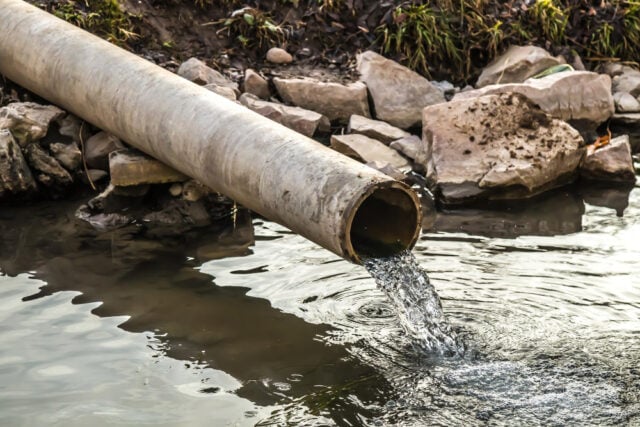
Residents of Rosemead and neighboring San Gabriel Valley communities have a new concern when they turn on their taps: PFAS contamination. These synthetic chemicals, often called “forever chemicals” because they don’t break down naturally in the environment, have been detected in groundwater supplies across the region. While the San Gabriel Valley has long grappled with groundwater contamination from industrial activities dating back decades, the emergence of PFAS as a documented threat adds another layer of complexity to water quality concerns affecting hundreds of thousands of residents.
Understanding PFAS: The Forever Chemicals
Per- and polyfluoroalkyl substances, commonly known as PFAS, are a group of thousands of synthetic chemicals used since the 1940s in everything from non-stick cookware to firefighting foam. Their unique chemical structure makes them extremely resistant to heat, water, and oil, which is why manufacturers have used them extensively. Unfortunately, this same characteristic means they persist in the environment and accumulate in human bodies over time. According to the Environmental Protection Agency, PFAS can be found in water, soil, air, and food, with contamination often originating from manufacturing facilities, airports, military bases, and wastewater treatment plants. The San Gabriel Valley’s industrial history makes it particularly vulnerable to this type of contamination.
PFAS in the San Gabriel Valley
The San Gabriel Valley encompasses multiple EPA Superfund sites due to decades of groundwater contamination from volatile organic compounds and industrial solvents. Now, PFAS compounds have been added to the list of contaminants detected in the region’s water supply. Environmental testing has identified PFAS in several San Gabriel Valley communities, including Rosemead, Monterey Park, Duarte, El Monte, Glendora, and La Verne. The contamination stems from both historical industrial activities and more recent sources. California’s State Water Resources Control Board has been actively monitoring PFAS levels across the state, and the San Gabriel Valley’s complex groundwater basin presents unique challenges for remediation. Between 2023 and 2025, testing revealed that 177 California water systems serving over 18.9 million people detected PFAS above EPA health-protective limits.
Health Implications for Residents
The health effects of PFAS exposure have become clearer through scientific research, and the findings are concerning. The EPA notes that exposure to certain levels of PFAS may lead to reproductive effects such as decreased fertility or increased high blood pressure in pregnant women. Developmental effects in children include low birth weight, accelerated puberty, and behavioral changes. Long-term exposure has been linked to increased risk of certain cancers, including prostate, kidney, and testicular cancers. Additionally, PFAS can reduce the body’s immune system effectiveness, including diminished vaccine response. These health risks are particularly troubling because PFAS accumulate in the body over time, meaning even low-level exposure over many years can result in significant health consequences. The combination of multiple PFAS compounds in drinking water may create cumulative effects that scientists are still working to fully understand.

What Rosemead Residents Should Know
If you’re a Rosemead resident concerned about PFAS in your water, several steps can help protect your household. First, contact your local water utility to request information about PFAS testing results for your specific service area. California regulations now require water systems to test for and report PFAS levels. Home water filtration systems with activated carbon or reverse osmosis can reduce PFAS in drinking water, though not all filters are equally effective. The California State Water Resources Control Board offers updated notification levels for different PFAS compounds to help residents understand test results. When contaminated water causes health problems or property damage, understanding your legal options becomes important. Rosemead injury law firms can help residents evaluate whether they have grounds for claims related to water contamination exposure, particularly if health issues have developed that may be connected to PFAS in drinking water.
Moving Forward: Regulations and Community Response
The regulatory landscape for PFAS is evolving rapidly. In April 2024, the EPA established the first national drinking water standards for PFAS, setting maximum contaminant levels for PFOA and PFOS at 4.0 parts per trillion each. Public water systems must achieve compliance, though implementation timelines have been subject to policy changes. California has taken additional steps beyond federal requirements, establishing its own notification and response levels for multiple PFAS compounds. Community awareness and advocacy play crucial roles in addressing this issue. Rosemead residents should stay informed about local water quality reports, attend community meetings about groundwater remediation efforts, and support initiatives that promote water testing and treatment. The San Gabriel Valley’s groundwater contamination challenges didn’t develop overnight, and solutions will require sustained effort from regulators, water utilities, and the community itself. Understanding the risks and taking appropriate precautions can help protect your family while broader remediation efforts continue.
Disclaimer
Artificial Intelligence Disclosure & Legal Disclaimer
AI Content Policy.
To provide our readers with timely and comprehensive coverage, South Florida Reporter uses artificial intelligence (AI) to assist in producing certain articles and visual content.
Articles: AI may be used to assist in research, structural drafting, or data analysis. All AI-assisted text is reviewed and edited by our team to ensure accuracy and adherence to our editorial standards.
Images: Any imagery generated or significantly altered by AI is clearly marked with a disclaimer or watermark to distinguish it from traditional photography or editorial illustrations.
General Disclaimer
The information contained in South Florida Reporter is for general information purposes only.
South Florida Reporter assumes no responsibility for errors or omissions in the contents of the Service. In no event shall South Florida Reporter be liable for any special, direct, indirect, consequential, or incidental damages or any damages whatsoever, whether in an action of contract, negligence or other tort, arising out of or in connection with the use of the Service or the contents of the Service.
The Company reserves the right to make additions, deletions, or modifications to the contents of the Service at any time without prior notice. The Company does not warrant that the Service is free of viruses or other harmful components.