Public Safety Alert: Major Recall of Afrin Nasal Spray
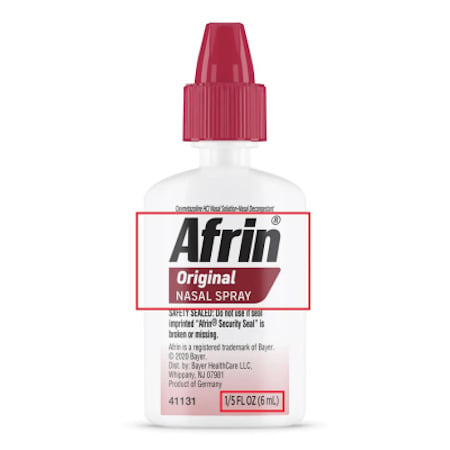
In a significant move to protect public health and safety, Bayer HealthCare LLC has announced a voluntary recall of approximately 786,100 bottles of its Afrin Original Nasal Spray in the 6 mL travel size. This decision comes in coordination with the United States Consumer Product Safety Commission (CPSC) after it was determined that the product’s packaging does not meet the rigorous child-resistant requirements set forth by federal law. The recall highlights a critical intersection between pharmaceutical distribution and consumer safety regulations, specifically addressing the risks posed to young children by accidental ingestion of medicinal ingredients.
The Scope and Details of the Recall
The recall specifically targets the 6 mL (1/5 FL OZ) travel size bottles of Afrin Original Nasal Spray. These units were distributed nationwide and primarily sold at convenience stores and travel hubs, such as airports and bodegas, between September 2024 and April 2026. The retail price for these units typically ranged from $7 to $9.
To identify whether a product is subject to the recall, consumers should check the lot numbers printed on the bottle’s label. The affected lot numbers are 230361, 240822, 241198, 250066, 250152, 250646, and 250831. The lot code is a six-digit number, followed by an expiration date in the “YYYYMMM” format. It is important to note that this recall is limited to the 6 mL travel size; larger sizes of Afrin Original Nasal Spray and other Afrin product variations sold at major retailers like Walmart, Target, or Amazon are packaged in child-resistant containers and are not part of this safety action.

Understanding the Regulatory Violation
The primary issue cited by the CPSC and Bayer is a violation of the Poison Prevention Packaging Act (PPPA). Enacted in 1970, the PPPA is a cornerstone of American consumer protection law designed to prevent children under five years old from accidentally ingesting hazardous household substances.
The Afrin 6 mL travel size contains oxymetazoline, a type of imidazoline. Under the PPPA, liquid preparations containing more than a certain threshold of imidazolines must be sold in child-resistant packaging. If a manufacturer chooses to sell a product in non-complying packaging—often for the benefit of elderly or disabled consumers who may struggle with safety caps—the law mandates that the packaging must bear a conspicuous warning. Specifically, it must state “This Package for Households Without Young Children” or “Package Not Child-Resistant.”
The 6 mL Afrin bottles involved in this recall neither featured child-resistant caps nor included the required cautionary labeling on the front of the bottle. While the back label included the standard “Keep out of the reach of children” instruction, this was insufficient to meet the specific federal standards for products containing potentially toxic levels of imidazolines in non-resistant packaging.
The Medical Risks: Why Oxymetazoline is Dangerous to Children
The urgency of this recall is rooted in the pharmacological profile of oxymetazoline hydrochloride. When used as directed—two to three sprays in each nostril—it acts as a powerful vasoconstrictor, shrinking swollen nasal membranes to provide relief from congestion. However, if a child swallows the liquid content, the effects are systemic and can be life-threatening.
Oxymetazoline belongs to the imidazoline class of drugs, which also includes ingredients like naphazoline and tetrahydrozoline (commonly found in eye drops). Ingestion by a young child can lead to severe toxicity. According to toxicologists and data from Poison Control centers, even a small amount of the liquid can cause:
- Extreme Lethargy and Drowsiness: Children may become difficult to wake or appear heavily sedated.
- Respiratory Depression: The drug can cause breathing to slow down dangerously (bradypnea).
- Cardiovascular Effects: Ingestion often leads to a significantly slowed heart rate (bradycardia) and dangerously low blood pressure (hypotension).
- Central Nervous System Depression: This can manifest as dizziness, fainting, or even coma in extreme cases.
Because a 6 mL bottle contains a concentrated amount of the active ingredient, the lack of a child-resistant cap creates a scenario where a curious toddler could easily open the bottle and ingest a toxic dose in seconds. To date, Bayer and the CPSC have reported no injuries or incidents related to this specific recall, but the potential for “serious injury or illness” necessitated the preemptive removal of the product from the market.
Instructions for Consumers
Bayer and the CPSC advise all consumers who have the 6 mL travel size Afrin in their possession to take immediate action:
- Secure the Product: Move the bottle to a high, locked, or otherwise inaccessible location out of the sight and reach of children.
- Verify the Lot Number: Check the front and side labels to confirm if the bottle matches the recalled lot numbers.
- Request a Refund: Do not return the product to the store. Instead, consumers should visit the official Bayer refund portal at
www.livewell.bayer.com/afrin-original-spray-recall. - Documentation: Consumers will be required to upload a photograph of the product as proof of possession to receive a full refund.
- Disposal: After completing the refund request and taking the necessary photos, the product should be discarded appropriately.
For additional information, consumers can contact Bayer toll-free at 1-800-317-2165 from 8 a.m. to 8 p.m. ET, Monday through Friday.
The Role of the CPSC in National Safety
The Consumer Product Safety Commission plays a vital role in the oversight of thousands of consumer products. This recall of Afrin is part of a broader effort by the commission to ensure that pharmaceutical companies adhere to the PPPA. In recent years, the CPSC has increased its scrutiny of “travel size” and “convenience” packaging, which sometimes falls through the cracks of standard quality control measures compared to flagship retail products.
The “Travel Size” designation often implies smaller, lighter packaging, but the CPSC maintains that the physical size of the container does not exempt a manufacturer from child-safety mandates. If the chemical composition of the product falls under the regulated categories—such as aspirin, acetaminophen, diphenhydramine, or imidazolines—the packaging must protect the most vulnerable members of society.
Broader Context of Poison Prevention
The Afrin recall serves as a timely reminder for parents and caregivers about the importance of medication safety in the home. According to the Health Resources and Services Administration (HRSA), more than 60,000 children are seen in emergency departments each year due to accidental medication poisoning. Nasal sprays and eye drops are frequently overlooked hazards because they are often kept on nightstands, in purses, or in low-level bathroom cabinets.
The pharmaceutical industry has a high burden of responsibility to ensure that their products are not just effective, but safe to store in a modern household. Bayer’s voluntary action, while disruptive to its supply chain, demonstrates a commitment to correcting a regulatory oversight before it results in a pediatric tragedy.
Conclusion: A Preemptive Strike for Safety
The recall of 786,100 bottles of Afrin Original Nasal Spray is a massive logistical undertaking, yet it is a necessary one. By identifying the labeling and packaging failure, Bayer and the CPSC are preventing the possibility of serious illness or death among children. For consumers, the message is clear: check your medicine cabinets, verify your travel kits, and always prioritize child-resistant features when purchasing over-the-counter medications. As Bayer works to return correctly labeled 6 mL bottles to the shelves, the current priority remains the safe disposal of the non-compliant units currently in circulation.
Sources Used and Links:
- U.S. Consumer Product Safety Commission (CPSC): “Bayer Recalls 6 mL Size Afrin Original Nasal Spray Bottles Due to Risk of Serious Injury or Illness from Child Poisoning; Violates Mandatory Standard for Child-Resistant Packaging.” https://www.cpsc.gov/Recalls/2026/Bayer-Recalls-6-mL-Size-Afrin-Original-Nasal-Spray-Bottles-Due-to-Risk-of-Serious-Injury-or-Illness-from-Child-Poisoning-Violates-Mandatory-Standard-for-Child-Resistant-Packaging
- Bayer Livewell: “Voluntary Recall – Afrin® Original Spray – Bayer Livewell.” https://www.livewell.bayer.com/afrin-original-spray-recall
- National Capital Poison Center: “Is Afrin addictive? | Poison Control.” https://www.poison.org/articles/is-afrin-addictive
- U.S. Consumer Product Safety Commission (CPSC): “Poison Prevention Packaging Act (PPPA).” https://www.cpsc.gov/Poison-Prevention-Packaging-Act
- Mayo Clinic: “Oxymetazoline (Nasal Route) Side Effects.” https://www.mayoclinic.org/drugs-supplements/oxymetazoline-nasal-route/description/drg-20067830
- KIRO 7 News: “Recall alert: Afrin recalled; violates child-resistant packaging mandate.” https://www.kiro7.com/news/trending/recall-alert-afrin-recalled-violates-child-resistant-packaging-mandate/DD2AFJ5GWVETDPX64MZHZZBP2E/
Disclaimer
Artificial Intelligence Disclosure & Legal Disclaimer
AI Content Policy.
To provide our readers with timely and comprehensive coverage, South Florida Reporter uses artificial intelligence (AI) to assist in producing certain articles and visual content.
Articles: AI may be used to assist in research, structural drafting, or data analysis. All AI-assisted text is reviewed and edited by our team to ensure accuracy and adherence to our editorial standards.
Images: Any imagery generated or significantly altered by AI is clearly marked with a disclaimer or watermark to distinguish it from traditional photography or editorial illustrations.
General Disclaimer
The information contained in South Florida Reporter is for general information purposes only.
South Florida Reporter assumes no responsibility for errors or omissions in the contents of the Service. In no event shall South Florida Reporter be liable for any special, direct, indirect, consequential, or incidental damages or any damages whatsoever, whether in an action of contract, negligence or other tort, arising out of or in connection with the use of the Service or the contents of the Service.
The Company reserves the right to make additions, deletions, or modifications to the contents of the Service at any time without prior notice. The Company does not warrant that the Service is free of viruses or other harmful components.