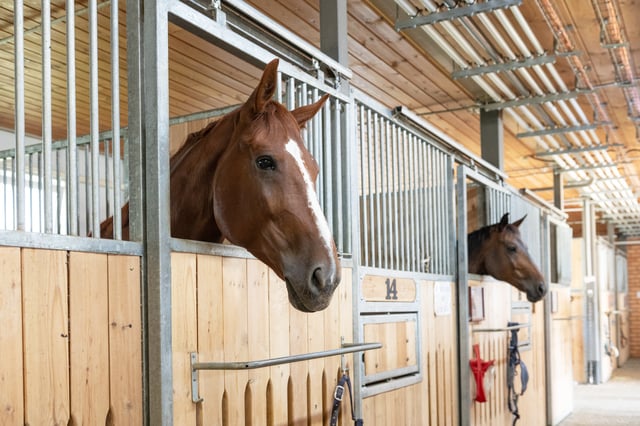
Owning a horse in the Sunshine State is a dream for many equestrians. With its year-round riding opportunities, expansive equestrian communities, and diverse landscapes—from sandy coastal trails to lush inland pastures—Florida offers a unique environment for horse lovers. However, the same tropical climate that makes Florida an ideal year-round destination also brings specific challenges that every prospective owner must understand.
Whether you are looking to purchase your first equine companion or relocating with existing horses, success depends on preparation, understanding the local environment, and building a solid management plan.
Understanding Florida’s Climate and Your Horse’s Health
Florida’s heat and high humidity levels are the most significant factors in equine management. During the summer months, the heat index can frequently climb well above 100 degrees, making it difficult for horses to cool themselves through natural mechanisms like sweating.
This environment requires a proactive approach to hydration and heat management. Horses should always have access to clean, fresh water; on average, a horse in Florida may consume significantly more water than in cooler climates to stay properly hydrated. Providing shade is non-negotiable. Whether you utilize a well-ventilated barn or a three-sided run-in shed, your horse must have a place to escape the direct sun. During the hottest parts of the day, it is often best to keep horses inside with fans or misting systems to keep them comfortable and reduce the risk of heat stress.

Nutrition and Pasture Management
Managing pastures in Florida can be tricky due to the sandy soil and varying grass quality. Unlike regions with rich, heavy loam, Florida soils often require careful management to ensure high-quality grazing.
Because tropical grasses may lack the same nutrient density as those in more temperate regions, your horse’s diet will likely need to be supplemented with high-quality hay and potentially concentrates or mineral blocks to meet their nutritional requirements. Furthermore, you must be vigilant about potential toxins. Always inspect your pastures for harmful plants and ensure your fencing is secure. Consistent feeding schedules are vital, as horses are creatures of habit, and stable digestive health is key to preventing colic, which can be exacerbated by dehydration in warm climates.
Addressing Insects and Skin Care
The warmth and humidity that define Florida also make it a paradise for insects, including mosquitoes, flies, and “no-see-ums.” Beyond being a nuisance, these pests can transmit serious viruses like West Nile or Eastern Equine Encephalitis.
A strict vaccination schedule is essential. Consult with your local equine veterinarian to develop a protocol that accounts for Florida’s year-round insect population. Additionally, invest in high-quality fly sheets, masks, and appropriate insect repellents. Maintaining clean, dry stalls and minimizing standing water on your property are also effective ways to reduce insect breeding grounds. Proper grooming is not just for show; it allows you to regularly inspect your horse for signs of skin conditions like rain rot or insect allergies, which are common in wet, humid environments.
Finding the Right Equine Partner
If you are in the market for a horse, the process requires just as much care as your property management. It is highly recommended to seek the guidance of a knowledgeable professional, such as a trusted trainer or a veterinarian, when evaluating horses to ensure you find a temperament and skill level that matches your experience.
When searching for the right match, you can explore horseclicks.com, a comprehensive equine marketplace that connects buyers with a wide variety of horses, helping you narrow down your search based on breed, discipline, and location. Taking the time to observe the horse in its current environment and asking detailed questions about its background will save you stress in the long run.
Property and Zoning Considerations
If you plan to keep your horse on your own property rather than boarding, you must be well-versed in local regulations. Not all land in Florida is suitable for horses. When scouting for property, prioritize locations with free-draining soil, which is easier to maintain during the rainy season and less prone to becoming a muddy hazard.
Check local zoning laws regarding the number of horses allowed, waste management, and environmental restrictions. Proper infrastructure—including secure fencing, reliable water sources, and space for trailers—will make your day-to-day life as a horse owner much smoother. If you are new to the area, connecting with local riding clubs or extension services can provide invaluable advice on navigating regional requirements.
Conclusion
Horse ownership in Florida is a rewarding endeavor that offers a fantastic lifestyle for both you and your horse. By acknowledging the unique climate, prioritizing health through proper hydration and veterinary care, and selecting the right property or boarding facility, you can ensure your equine companion thrives in the Sunshine State. With the right management in place, you’ll be ready to enjoy everything Florida’s equestrian landscape has to offer.
Disclaimer
Artificial Intelligence Disclosure & Legal Disclaimer
AI Content Policy.
To provide our readers with timely and comprehensive coverage, South Florida Reporter uses artificial intelligence (AI) to assist in producing certain articles and visual content.
Articles: AI may be used to assist in research, structural drafting, or data analysis. All AI-assisted text is reviewed and edited by our team to ensure accuracy and adherence to our editorial standards.
Images: Any imagery generated or significantly altered by AI is clearly marked with a disclaimer or watermark to distinguish it from traditional photography or editorial illustrations.
General Disclaimer
The information contained in South Florida Reporter is for general information purposes only.
South Florida Reporter assumes no responsibility for errors or omissions in the contents of the Service. In no event shall South Florida Reporter be liable for any special, direct, indirect, consequential, or incidental damages or any damages whatsoever, whether in an action of contract, negligence or other tort, arising out of or in connection with the use of the Service or the contents of the Service.
The Company reserves the right to make additions, deletions, or modifications to the contents of the Service at any time without prior notice. The Company does not warrant that the Service is free of viruses or other harmful components.