The Invisible Invasion: Understanding the Vibrio Threat
For decades, the warm, brackish waters of the Florida Everglades and the Gulf Coast were known to harbor a silent but deadly inhabitant: Vibrio vulnificus. Often sensationalized in the media as “flesh-eating bacteria,” this gram-negative, halophilic (salt-loving) organism is a natural part of coastal ecosystems. However, as of April 2026, what was once a localized concern for Florida residents has transformed into a major public health challenge spanning the entire Eastern Seaboard.
The expansion of Vibrio is not merely a seasonal spike; it is a geographic migration. Driven by the unrelenting rise in sea surface temperatures (SST) and the increasing frequency of extreme weather events, Vibrio vulnificus is moving northward at an estimated rate of 30 miles per year. Infections that were once unheard of in the Northeast are now appearing in New Jersey, New York, and even as far north as Maine.
The Florida Epicenter: A Historical Context
Florida has long been the primary battleground for Vibrio management. The state’s unique geography—a massive coastline meeting warm, shallow, low-salinity estuaries—provides the perfect nursery for the bacteria. In 2024, the state witnessed a significant surge in cases following Hurricane Helene. Hurricanes are notorious for pushing brackish water far inland and flooding coastal communities with warm, nutrient-rich runoff, which can create “blooms” of Vibrio.
While 2025 saw a slight decline in Florida-based deaths compared to the record-breaking numbers of the previous year, the baseline level of the bacteria has remained elevated. In 2026, health officials noted that the bacteria persisted longer into autumn and appeared earlier in spring. This “seasonal stretching” is a direct result of warmer winters, which prevent the water temperatures from dropping below the threshold needed to suppress bacterial growth.

The Northward Shift: Why the Coast is Changing
The migration of Vibrio up the Atlantic coast is a hallmark of shifting climate dynamics. Historically, the colder waters of the Mid-Atlantic and New England served as a thermal barrier. Vibrio vulnificus thrives in waters above 60°F (15°C) and reaches peak pathogenicity when temperatures exceed 68°F.
Current oceanographic data from early 2026 indicates that the Gulf Stream is carrying warmer water further north than ever before. Coupled with increased rainfall—which lowers the salinity of coastal bays and inlets—the entire East Coast is becoming more hospitable to these pathogens.
Researchers at the University of Maryland and the University of Florida have collaborated on early warning systems that use satellite data to track chlorophyll-a levels and sea surface temperatures. These models are now predicting “high-risk windows” for the New York Bight and the Chesapeake Bay, areas that previously had little to no historical experience with necrotizing Vibrio infections.
The Biological Profile: How Vibrio vulnificus Attacks
To understand why this bacterium is so dangerous, one must look at its molecular toolkit. Vibrio vulnificus is an opportunistic pathogen. It does not seek out humans; rather, humans inadvertently enter its environment.
Pathways of Infection
- Wound Exposure: This is the most common route for “flesh-eating” symptoms. Even a microscopic cut—a pinprick from a fishing hook, a scrape from a shell, or a recent tattoo—can serve as an entry point. Once inside the tissue, the bacteria release toxins that cause rapid necrosis (tissue death).
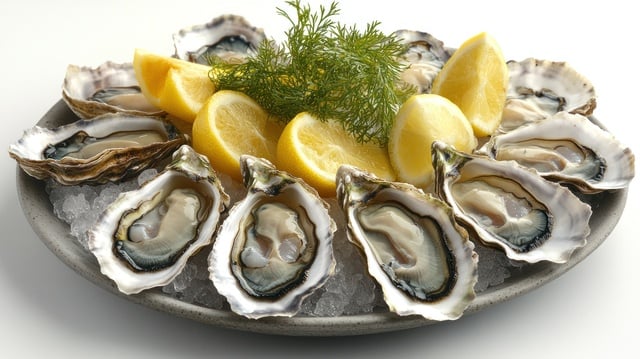
- Seafood Consumption: Ingesting raw or undercooked shellfish, particularly oysters, is the second primary route. Oysters are filter feeders, meaning they concentrate the bacteria found in the surrounding water. In 2025 and 2026, clusters of foodborne vibriosis were linked to oysters harvested from warming beds in the Carolinas and Virginia.
Clinical Presentation: A Race Against Time
The speed at which Vibrio vulnificus progresses is its most terrifying trait. For those with compromised immune systems or chronic liver disease, the window for effective treatment can be as short as 24 to 48 hours.
Stage 1: Initial Symptoms
For wound infections, the first signs are typically intense pain that seems out of proportion to the visible injury. This is followed by redness, swelling, and the development of “bullae”—large, fluid-filled blisters that often turn a deep purple or black.
Stage 2: Septicemia
If the bacteria enter the bloodstream, the condition is known as primary septicemia. Symptoms include sudden chills, high fever, and a dangerous drop in blood pressure (septic shock). The mortality rate for Vibrio septicemia is approximately 50%, making it one of the most lethal waterborne illnesses in the world.
Stage 3: Necrotizing Fasciitis
As the bacteria spread through the fascia (the connective tissue surrounding muscles and organs), they literally dissolve the tissue. Surgeons often have to perform aggressive debridement—cutting away large portions of infected flesh—or even limb amputations to save the patient’s life.
Environmental Drivers: The 2026 Climate Connection
The “invasion” of Vibrio is a biological proxy for ocean health. Several environmental factors are converging in 2026 to accelerate this spread:
- Marine Heatwaves: Unusually warm patches of ocean water are lasting weeks or months, allowing Vibrio populations to explode.
- Sea Level Rise: As sea levels rise, saltwater is intruding into freshwater marshes, creating more “brackish” (low-salinity) environments where Vibrio thrives.
- Phytoplankton Dynamics: Vibrio often attaches to the shells of zooplankton. As warming waters change the migration patterns of these tiny organisms, they act as “hitchhiking” vehicles for the bacteria to move into new territories.
Public Health Response and Prevention
As of 2026, the CDC and state health departments have intensified their public awareness campaigns. The goal is not to keep people out of the water, but to encourage “informed recreation.”
How to Protect Yourself
- Wound Care: If you have an open wound, stay out of brackish or salt water. If you sustain a cut while in the water, wash it immediately with soap and fresh water.
- Seafood Safety: Avoid raw oysters and clams, especially during the summer months. Cooking shellfish to an internal temperature of 145°F kills the bacteria.
- Vulnerability Awareness: Individuals with liver disease, cancer, diabetes, or HIV are at a significantly higher risk. These individuals should wear protective footwear on beaches to avoid cuts from shells.
- Prompt Medical Attention: If a wound becomes red or painful after water exposure, seek medical help immediately. Tell the doctor explicitly: “I was in coastal water.” Many northern physicians are not yet trained to recognize Vibrio and may mistake it for a standard staph infection, leading to fatal delays in treatment.
The Socio-Economic Impact
The northward creep of Vibrio is also a financial threat. The multi-billion dollar shellfish industry is facing stricter regulations and frequent closures of oyster beds. Coastal tourism in states like Delaware and New Jersey—which previously marketed their “safe, cool waters”—must now navigate the stigma of “flesh-eating bacteria” headlines.
In Florida, the impact is felt in the growing costs of emergency management. Following major storms, the state now allocates significant resources to water testing and public health notifications to prevent post-hurricane outbreaks.
Conclusion: Adapting to a New Reality
The expansion of Vibrio vulnificus from Florida up the Atlantic coast is a stark reminder that our environment is in flux. The bacteria are not “invading” in the traditional sense; they are merely following the warmth we have provided. In 2026, the key to safety is education. By understanding the conditions that favor this pathogen and recognizing the early signs of infection, we can continue to enjoy the coast while mitigating the risks of this formidable organism.
Sources Used and Links:
- The Cool Down: “Lethal flesh-eating bacteria creeps up US East Coast, experts warn” (April 24, 2026) https://www.thecooldown.com/outdoors/vibrio-bacteria-risk-us-coastal-waters/
- Grist: “A deadly bacteria is creeping up the Atlantic Coast. How worried should you be?” (April 22, 2026) https://grist.org/health/vibrio-bacteria-florida-shellfish/
- Florida Department of Health: “Vibrio Vulnificus – Disease and Conditions” (January 8, 2026) https://www.floridahealth.gov/diseases-and-conditions/disease/vibrio-infections/
- The Invading Sea: “A deadly bacteria is creeping up the Atlantic Coast… Climate Change & UF Research” (April 23, 2026) https://www.theinvadingsea.com/2026/04/23/vibrio-vulnificus-bacteria-infections-florida-beaches-oysters-climate-change-hurricanes-uf/
- CBS News Miami: “Deadly flesh-eating bacteria in Florida waters: Vibrio cases decline, but danger persists” (July 16, 2025) https://www.cbsnews.com/miami/news/florida-vibrio-vulnificus-cases-2025-deaths-decline-danger-remains/
- ResearchGate / EcoHealth: “Predicting the Global Distribution of Vibrio vulnificus Under Changing Climate Scenarios” (March 2026) https://www.researchgate.net/publication/403157900_Predicting_the_Global_Distribution_of_Vibrio_vulnificus_Under_Changing_Climate_Scenarios
- ASM Journals (Microbiology Spectrum): “Effects of Global Warming on Vibrio Ecology” https://journals.asm.org/doi/10.1128/microbiolspec.ve-0004-2014
- Texas DSHS: “Vibrio vulnificus – Texas Trends and Symptoms” https://www.dshs.texas.gov/foodborne-illness/vibrio-infections/vibrio-vulnificus
Disclaimer
Artificial Intelligence Disclosure & Legal Disclaimer
AI Content Policy.
To provide our readers with timely and comprehensive coverage, South Florida Reporter uses artificial intelligence (AI) to assist in producing certain articles and visual content.
Articles: AI may be used to assist in research, structural drafting, or data analysis. All AI-assisted text is reviewed and edited by our team to ensure accuracy and adherence to our editorial standards.
Images: Any imagery generated or significantly altered by AI is clearly marked with a disclaimer or watermark to distinguish it from traditional photography or editorial illustrations.
General Disclaimer
The information contained in South Florida Reporter is for general information purposes only.
South Florida Reporter assumes no responsibility for errors or omissions in the contents of the Service. In no event shall South Florida Reporter be liable for any special, direct, indirect, consequential, or incidental damages or any damages whatsoever, whether in an action of contract, negligence or other tort, arising out of or in connection with the use of the Service or the contents of the Service.
The Company reserves the right to make additions, deletions, or modifications to the contents of the Service at any time without prior notice. The Company does not warrant that the Service is free of viruses or other harmful components.