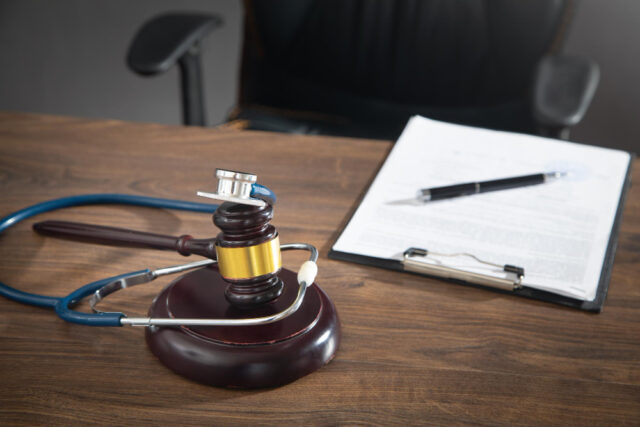
Maternal and infant care demands the highest medical standards because even small mistakes during pregnancy, labor, or delivery can have lifelong consequences for both mother and child. Understanding how negligence happens empowers families to recognize warning signs early. This guide will help parents identify common care errors and know what steps to take if something feels wrong.
How Medical Negligence Leads to Preventable Birth Injuries
Medical negligence in maternal and infant care occurs when healthcare providers fail to follow accepted medical standards, resulting in avoidable harm. During pregnancy or labor, even a single missed warning sign can quickly turn into a serious complication. Typical forms of negligence include:
- Misreading or overlooking fetal monitoring
- Delayed decisions when an emergency C-section is needed
- Improper use of delivery tools like forceps or vacuums
- Ignoring maternal distress symptoms
- Mismanaging high-risk pregnancies
- Failing to detect infections or emerging complications
- Incorrect use of medication or anesthesia
These mistakes can disrupt a safe delivery and lead to preventable birth injuries. Oxygen deprivation is one of the most severe outcomes and can cause lasting damage if not addressed immediately. In some cases, these injuries contribute to long-term conditions, including developmental delays or lifelong disabilities.
Warning Signs Parents Should Look For
Recognizing early warning signs can help parents understand when something may be wrong after childbirth. Concerning symptoms in newborns include poor muscle tone, seizures, feeding difficulties, or lack of responsiveness. These issues may point to complications that occurred during labor or delivery.

Mothers should also watch for red flags such as excessive bleeding, intense pain that staff dismisses, or inconsistent monitoring during recovery. These symptoms can signal that essential steps were missed and should be promptly addressed by healthcare professionals.
Early detection not only improves medical outcomes but also helps families determine whether negligence could have contributed to the complications. This information can guide decisions about seeking medical or legal support.
What Families Can Do If They Suspect Negligence
If families suspect negligence, the first step is to carefully document everything, including symptoms, conversations with medical staff, and events during labor or delivery. Requesting medical records and tracking ongoing issues can provide clarity, while seeking a second opinion helps confirm whether standard care was followed.
It’s also important to keep a detailed timeline of treatments, medications, and any complications that arise. Gathering this information early can make discussions with healthcare providers, specialists, or legal advisors more precise and effective.
Being thorough ensures families have a complete picture of what occurred and why intervention may be necessary. When a preventable birth injury results in long-term disabilities, families may consider pursuing a Cerebral Palsy Lawsuit to understand their legal options and seek support for their child’s future needs.
Endnote
Most births go smoothly, but being aware can help parents feel more confident. Pay attention to any concerns and ask questions when something feels off. Understanding medical negligence can help families make informed decisions and ensure both mother and baby receive proper care.
Disclaimer
Artificial Intelligence Disclosure & Legal Disclaimer
AI Content Policy.
To provide our readers with timely and comprehensive coverage, South Florida Reporter uses artificial intelligence (AI) to assist in producing certain articles and visual content.
Articles: AI may be used to assist in research, structural drafting, or data analysis. All AI-assisted text is reviewed and edited by our team to ensure accuracy and adherence to our editorial standards.
Images: Any imagery generated or significantly altered by AI is clearly marked with a disclaimer or watermark to distinguish it from traditional photography or editorial illustrations.
General Disclaimer
The information contained in South Florida Reporter is for general information purposes only.
South Florida Reporter assumes no responsibility for errors or omissions in the contents of the Service. In no event shall South Florida Reporter be liable for any special, direct, indirect, consequential, or incidental damages or any damages whatsoever, whether in an action of contract, negligence or other tort, arising out of or in connection with the use of the Service or the contents of the Service.
The Company reserves the right to make additions, deletions, or modifications to the contents of the Service at any time without prior notice. The Company does not warrant that the Service is free of viruses or other harmful components.