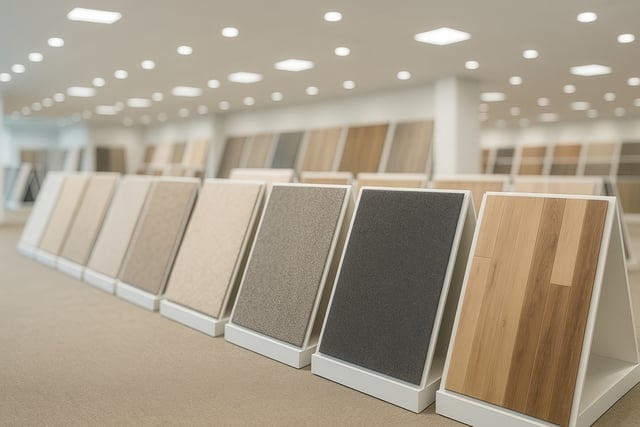
A home doesn’t need a complete renovation to feel more comfortable, functional, or inviting. Often, the most meaningful improvements come from addressing the details that affect everyday life, whether that’s replacing worn flooring, improving lighting, or making better use of available space.
The challenge is knowing which upgrades are worth the investment. While some changes offer an immediate visual improvement, others make a home easier to maintain and more enjoyable to live in over time. The best approach is to find a balance between appearance, practicality, and durability, choosing improvements that will continue to serve their purpose long after the initial excitement of a makeover has faded.
Here are six home upgrades that can make a lasting difference without requiring a complete overhaul.
1. Start with Flooring That Works for Your Lifestyle
Flooring is one of the most influential elements of an interior. It connects different rooms, establishes the overall tone of a space, and withstands constant daily use. When floors become scratched, outdated, or difficult to maintain, replacing them can transform the appearance of a home more dramatically than changing furniture or decorative accessories.

For homeowners who appreciate the warmth of natural wood but want a more budget-conscious option, laminate flooring is worth considering. Modern laminate comes in a variety of wood-look finishes, from pale oak tones to richer, more traditional shades. Many products also feature wear-resistant surfaces that make them suitable for busy households, although performance varies by product and installation conditions.
Choosing the right flooring involves more than selecting an attractive finish. Consider how much foot traffic each room receives, how frequently spills occur, and whether moisture could become a concern. This is particularly important in humid climates, where product specifications and proper installation can make a significant difference. Checking a product’s moisture-resistance rating, installation requirements, and warranty limitations can help homeowners avoid choosing a material that isn’t suited to the room.
Finding the right balance between appearance, durability, and cost often comes down to choosing suitable materials from the start. Established laminate flooring wholesalers, such as ProSource Wholesale, provide industry professionals with access to a wide selection of styles, finishes, and price points. This allows homeowners to explore different flooring options through the professionals handling their renovation, while considering both their design preferences and long-term practical needs.
For a cohesive result, consider using the same flooring throughout connected living areas, provided the material is appropriate for each room. This can create a more continuous appearance, particularly in smaller homes or open-plan interiors.
2. Improve Lighting for Comfort and Efficiency
Once the flooring and other major surfaces are in good condition, lighting becomes one of the most effective ways to improve how a room looks and functions. Even a beautifully furnished space can feel uninviting if the lighting is too harsh, uneven, or poorly positioned.
Rather than relying on a single ceiling fixture, consider combining different sources of light. Ambient lighting provides general illumination, task lighting supports activities such as reading or cooking, and accent lighting adds depth by highlighting artwork, architectural details, or decorative objects.
In the kitchen, for example, under-cabinet lighting can illuminate countertops where food is prepared, while pendant lights above an island can provide both practical illumination and visual interest. In a living room, a combination of floor lamps and table lamps can create a softer atmosphere than overhead lighting alone.
Switching to energy-efficient LEDs is another practical improvement. According to the U.S. Department of Energy, residential LEDs use significantly less energy and last considerably longer than traditional incandescent bulbs. Choosing dimmable fixtures and appropriate color temperatures can further improve comfort while giving homeowners greater control over the atmosphere of each room.
3. Make Storage Part of the Design
After improving the surfaces and lighting, it’s worth considering how the home functions when everyday belongings are in use. A room may look beautiful immediately after being organized, but if there isn’t enough practical storage, clutter tends to return quickly.
Built-in shelving, fitted wardrobes, and multifunctional furniture can help make better use of available space without changing the layout of a room. In smaller homes, vertical storage is particularly useful because it provides additional capacity without occupying valuable floor space.
The key is to plan storage around actual routines. An entryway, for instance, may benefit more from a closed shoe cabinet, wall hooks, and a small bench than from a decorative console table. Similarly, kitchen drawers with organizers can make frequently used utensils easier to access than deep cabinets where items become difficult to find.
Storage solutions should also complement the overall interior rather than appear as an afterthought. Matching cabinet finishes to existing wood tones or wall colors can create a more cohesive look, while a combination of open and closed storage allows homeowners to display meaningful objects without exposing every everyday necessity.
Before investing in custom cabinetry, it may be worth exploring ways to create more functional living spaces without renovating. Rearranging furniture, reconsidering how rooms are used, and improving existing storage can sometimes solve problems that initially seem to require more extensive work.
4. Refresh the Kitchen Without Replacing Everything
The kitchen is one of the most frequently used spaces in a home, making it a natural priority for improvements. However, a functional kitchen doesn’t necessarily need a complete redesign to feel updated.
If the existing cabinets are structurally sound, repainting or refinishing them may be enough to give the room a new appearance. Replacing outdated handles, installing a new faucet, or updating the backsplash can also make a noticeable difference without the expense and disruption of replacing the entire kitchen.
Before choosing cosmetic upgrades, assess which elements are genuinely causing problems. Poor lighting over preparation areas, insufficient drawer space, or difficult-to-clean surfaces may have a greater impact on daily life than the color of the cabinets.
It’s also worth selecting materials that will remain practical over time. Easy-to-clean finishes, durable hardware, and surfaces suited to regular cooking are often better investments than delicate materials chosen primarily for their appearance. When these details are considered together, even modest kitchen improvements can feel thoughtful and complete.
5. Pay Attention to Indoor Comfort and Air Quality
A successful home improvement project should make a space healthier and more comfortable, not simply more attractive. This means considering factors that are less visible, including ventilation, humidity, and the materials used during renovations.
In regions with high humidity, moisture management is especially important. Persistent condensation, damp surfaces, or inadequate ventilation can contribute to mold growth and damage building materials. Before installing new finishes or covering existing surfaces, it’s essential to identify and resolve any underlying moisture problems.
The U.S. Environmental Protection Agency’s remodeling guidance recommends addressing the causes of existing damage, controlling construction dust, and providing adequate ventilation when working with materials that may release pollutants.
Homeowners can also look for low-emission paints, adhesives, and other building products when planning improvements. In kitchens and bathrooms, properly functioning exhaust fans can help manage moisture, while regular maintenance of heating and cooling systems supports indoor comfort.
These upgrades may not be as visually dramatic as new flooring or cabinetry, but they contribute to the long-term condition of a home and the well-being of the people living in it.
6. Invest in Details That Age Well
Once the larger functional improvements have been addressed, smaller finishing touches can bring the entire interior together. Door handles, faucets, switches, trim, and other frequently overlooked details all influence how polished a home feels.
Replacing mismatched or worn hardware with coordinated finishes can create a more consistent appearance throughout the house. Similarly, repainting damaged baseboards, repairing chipped surfaces, or replacing outdated switch plates can make an older interior feel better maintained.
When choosing finishes, it’s worth thinking beyond current trends. Neutral foundational materials, simple hardware, and well-proportioned fixtures tend to be easier to incorporate into future design changes than highly distinctive choices that may quickly feel dated.
This doesn’t mean every room needs to look minimal or impersonal. Color, artwork, textiles, and decorative accessories can introduce character without requiring permanent alterations. Keeping the larger investments relatively versatile allows a home to evolve as personal tastes and practical needs change.
Plan Improvements with the Future in Mind
The most successful home upgrades are rarely the result of changing everything at once. They begin with understanding what isn’t working and identifying improvements that will have the greatest effect on daily life.
A useful starting point is to walk through each room and make note of recurring frustrations. Perhaps the hallway lacks storage, the kitchen is poorly lit, or the living room flooring has become difficult to maintain. Separating genuine functional problems from purely cosmetic preferences makes it easier to establish priorities and allocate a realistic budget.
It’s also important to consider how different improvements relate to one another. Replacing flooring before planning major cabinetry changes, for example, could lead to unnecessary work later. Coordinating materials, installation schedules, and future projects can help avoid additional costs and disruptions.
Ultimately, a lasting home improvement isn’t necessarily the most expensive or visually impressive one. It’s a change that makes everyday routines easier, improves comfort, and continues to feel appropriate as the home and the people living in it evolve.
Disclaimer
Artificial Intelligence Disclosure & Legal Disclaimer
AI Content Policy.
To provide our readers with timely and comprehensive coverage, South Florida Reporter uses artificial intelligence (AI) to assist in producing certain articles and visual content.
Articles: AI may be used to assist in research, structural drafting, or data analysis. All AI-assisted text is reviewed and edited by our team to ensure accuracy and adherence to our editorial standards.
Images: Any imagery generated or significantly altered by AI is clearly marked with a disclaimer or watermark to distinguish it from traditional photography or editorial illustrations.
General Disclaimer
The information contained in South Florida Reporter is for general information purposes only.
South Florida Reporter assumes no responsibility for errors or omissions in the contents of the Service. In no event shall South Florida Reporter be liable for any special, direct, indirect, consequential, or incidental damages or any damages whatsoever, whether in an action of contract, negligence or other tort, arising out of or in connection with the use of the Service or the contents of the Service.
The Company reserves the right to make additions, deletions, or modifications to the contents of the Service at any time without prior notice. The Company does not warrant that the Service is free of viruses or other harmful components.