Since the beginning of 2025, the United States has faced an unexpected decline in the flow of tourists to its leading tourist states. Florida, Texas, Kentucky, and Illinois found themselves at the center of an alarming trend, which is causing concern among leisure industry specialists. What is behind this downturn, and what consequences could changes in tourist routes bring for the country’s economy?
National background
According to the latest data from Travel and Tour World (TTW), in 2025, a significant portion of American states are recording a decrease in the number of incoming guests. Experts note that concern has spread to regions where tourism is one of the key sectors of the economy. Financial instability, rising prices for services, and increasing competition between destinations are contributing to the fact that the traditional flow of tourists is significantly dwindling. TTW analysts emphasize: if this dynamic continues, state budgets will face additional strain.
Scale and specifics of the decline

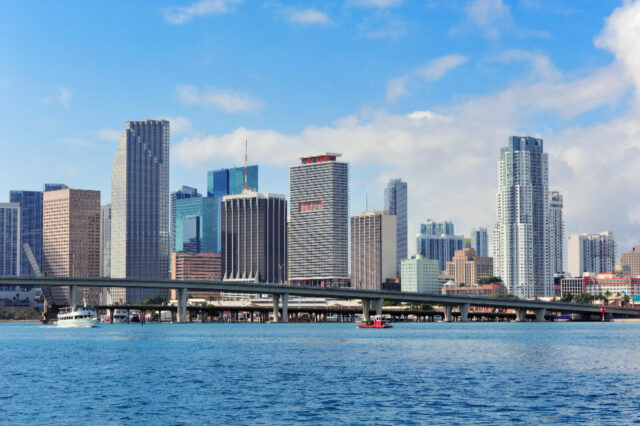
Florida has traditionally been a leader among US tourist destinations. It is home to world-famous attractions such as Disney World, as well as the largest cruise ports and dozens of kilometers of beaches.
At the same time, thanks to its climate, tourism in the state is year-round. Although some months see more rainy days, when people are forced to spend more time in hotels. But even in this case, they have all the necessary entertainment available. As a rule, hotels are equipped with a variety of entertainment facilities. In addition, they have high-quality internet, which allows people to simply entertain themselves in their rooms, watching videos, TV shows, or playing mobile games on their phones. Thanks to high speeds, it is possible to download Plinko gaming apps very quickly and play without interruptions. The same goes for competitive games, which also require a stable internet connection. All this makes it possible to comfortably wait out inclement weather and continue enjoying the peninsula’s warm climate. It is difficult to find such favorable conditions in other states.
However, fresh statistics for January–August 2025 show an alarming signal: tourist flow has decreased by 8.7% compared to the same period last year and reached the mark of 17.7 million people.
The decline became especially noticeable at the end of summer — in August, the growth in tourist numbers stagnated, and in September, with the end of the high season, the number of arrivals decreased by another 10%. This situation surprised even industry veterans, since the summer period has always been seen as a time of record numbers.
Why tourists are no longer coming
TTW experts identify a number of key factors that have influenced the change in tourist behavior. Firstly, the cost of a trip to Florida has risen significantly, which is due to higher prices for air tickets, accommodation, and food. Budget airlines canceled a number of popular routes, while ticket prices on major carriers increased. Secondly, the main tourist sites raised their entrance fees. For example, visiting Disney World became at least $10 more expensive for each visitor. Thirdly, the overall economic uncertainty influenced the decision to forgo travel: tourists are increasingly opting for more affordable destinations or even refusing to travel altogether to save money. Analysts emphasize that today’s consumers have become more cautious in planning vacations and increasingly look for better value alternatives.
Analysis of the situation in other states: Texas, Kentucky, Illinois
A decline in tourist flow has also been recorded in other major tourist regions of the US. Texas, which has traditionally attracted masses of travelers thanks to a variety of cultural events and natural parks, lost 8.6% of visitors in the first eight months of 2025. In Kentucky, despite the fame of the annual Kentucky Derby, the number of tourists decreased by 4%.
Local authorities note that even the emergence of new attractions has so far failed to halt the decline. Illinois, including the metropolis of Chicago with its historical and cultural sights, also faced a 3% drop in attendance. Regional administrations are actively implementing new initiatives to restore interest in their areas, however, these measures have so far had a limited effect.
How is the industry responding?
Realizing the risk of further deterioration, representatives from the tourism industry and government authorities have begun developing anti-crisis strategies. Among the adopted measures are:
- Introducing discounts and special offers for certain categories of tourists
- Developing new routes that emphasize unique local features
- Strengthening advertising campaigns aimed at both domestic and foreign markets
- Joint initiatives by hotels, restaurants, and transportation companies to reduce the cost of service packages
According to TTW sources, some states are considering support for small businesses in the tourism sector to enhance the region’s attractiveness for travelers.
Looking ahead – can tourism recover?
The question of the prospects for tourism recovery concerns many experts. Analysts are divided in their opinions: some specialists expect a gradual return of guest flow if the economic situation stabilizes, while others believe that the changed habits of tourists may persist for a long time. Potential drivers of recovery include:
- Adjustment of pricing policy by major attractions and carriers
- Improving service levels and creating new leisure formats
- Drawing attention to lesser-known but interesting domestic destinations
However, much will depend on the macroeconomic situation and the industry’s ability to respond flexibly to the challenges of the time.
For a complete understanding of the situation, it is important to take into account the specifics of the American tourism market. In recent decades, the industry has become a key source of income for many states, and its contribution to the GDP of certain regions reaches 10–15%. A decline in tourism directly affects employment, infrastructure development, and tax revenues. Similar downturns were observed in 2008–2009 during the global financial crisis, when consumers also preferred to save on travel. Changes in travelers’ habits highlight the need for adaptation—both for businesses and government structures.
Disclaimer
The information contained in South Florida Reporter is for general information purposes only.
The South Florida Reporter assumes no responsibility for errors or omissions in the contents of the Service.
In no event shall the South Florida Reporter be liable for any special, direct, indirect, consequential, or incidental damages or any damages whatsoever, whether in an action of contract, negligence or other tort, arising out of or in connection with the use of the Service or the contents of the Service.
The Company reserves the right to make additions, deletions, or modifications to the contents of the Service at any time without prior notice.
The Company does not warrant that the Service is free of viruses or other harmful components